




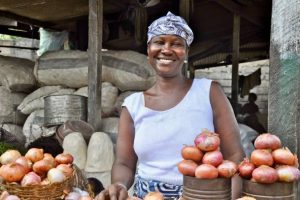


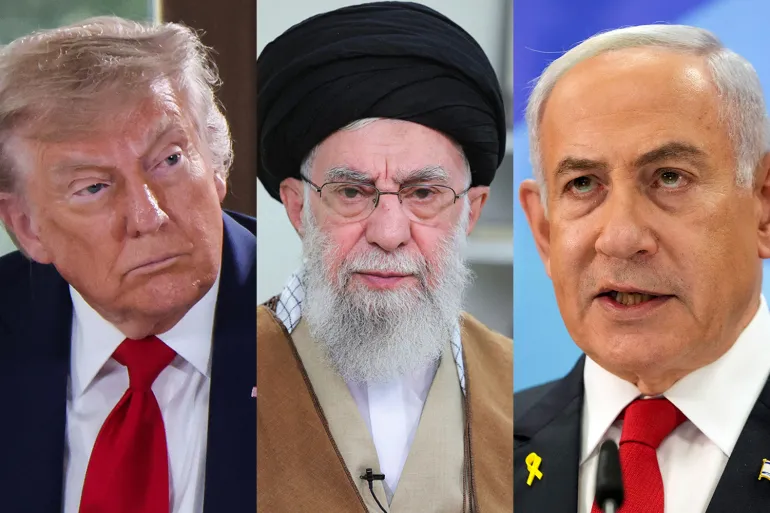

How the Israel–US–Iran War Affects Ghana’s Economy – The escalating conflict involving the United States, Israel, and Iran is fast becoming one of the most consequential geopolitical events of 2026. While the war is unfolding thousands of kilometres away, its economic shockwaves are already being felt in Ghana, from fuel pumps in Accra to food prices in local markets. Here’s a newsroom-style breakdown of how this global conflict is reshaping Ghana’s economy.
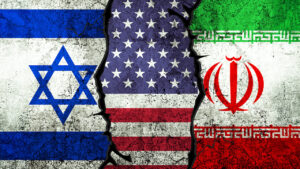
How the Israel–US–Iran War Affects Ghana’s Economy
The war has disrupted one of the most critical arteries of global trade, the Strait of Hormuz, through which roughly 20% of the world’s oil supply flows.
📢 GET DETAILED ARTICLES + JOBS
Join THSB's WhatsApp Channel and never miss a post or opportunity.

- Oil prices surged above $110 per barrel
- Global supply chains began to tighten
- Countries across Africa started feeling fiscal pressure
For Ghana, this is not distant news, it is an economic reality.
READ ALSO: Ghana Business News You Should Pay Attention To In 2026
Global Shockwaves from the War
1. Rising Fuel Prices Hit Households and Businesses
The most immediate impact is at the fuel pump. Ghana imports a significant portion of its refined petroleum. So when global oil prices rise, domestic fuel prices follow almost instantly.
• Higher crude prices increase import costs
• Transport fares rise across cities
• Logistics and distribution costs surge
This has a ripple effect across the economy:
• Traders pay more to move goods
• Businesses face higher operating costs
• Consumers pay more for everyday items
In simple terms: when oil prices rise globally, inflation rises locally.
2. Inflation Pressures Return
Ghana had recently made progress in reducing inflation, but the war threatens to reverse those gains.
According to the Bank of Ghana, rising global oil prices could trigger imported inflation, especially through fuel and shipping costs.
Additionally:
• Fertiliser prices are rising globally due to supply disruptions
• Food production costs may increase
• Market prices for staples could surge
The result?
A potential cost-of-living squeeze for households already recovering from recent economic shocks.
3. Trade and Shipping Disruptions
The war is also disrupting global shipping routes. With instability in the Middle East:
• Ships are avoiding high-risk zones
• Cargo is being rerouted around Africa
• Delivery times are increasing by up to two weeks.
For Ghana, this means:
• Higher import costs
• Delays in goods arriving at ports
• Increased pressure on supply chains
The Ghana Shippers’ Authority has already warned of disruptions affecting importers and exporters.
4. Pressure on the Ghana Cedi
Global crises often trigger a flight to safety, investors move money into stronger currencies like the US dollar.
For Ghana:
• Demand for dollars increases (to pay for expensive oil imports)
• The cedi weakens
• Import costs rise even further
This creates a cycle: Weaker currency → higher import costs → higher inflation
Economists warn that such pressures could destabilise fragile gains made in Ghana’s currency recovery.
5. Food Security Risks
One of the less obvious, but critical—impacts is on food.
The conflict is affecting:
• Fertiliser supply chains (many pass through the Middle East)
• Agricultural input prices
• Global food production
Experts warn that:
• Fertiliser prices have already jumped significantly
• Farmers may reduce usage due to cost
• Crop yields could decline
For Ghana, this could translate into:
• Higher food prices
• Increased reliance on imports
• Greater food insecurity
6. Government Finances Under Strain
Rising global oil prices also affect Ghana’s public finances. As fuel becomes more expensive:
- Government may increase subsidies to cushion citizens
- Budget deficits could widen
- Debt pressures may intensify
Other African countries, like Senegal, have already taken austerity measures due to rising fuel costs linked to the war. Ghana could face similar difficult choices if the conflict persists.
7. A Silver Lining: Gold Prices
Not all impacts are negative. During global uncertainty, investors turn to gold as a safe haven. Ghana, being a major gold exporter, could benefit from:
- Higher gold prices
- Increased export revenues
- Improved trade balance
However, analysts caution that these gains may not fully offset the broader economic damage caused by rising import costs.
RECOMMENDED: Ghana’s New Air Travel Levy Sparks Industry Concerns.
How the Israel–US–Iran War Affects Ghana’s Economy: A Fragile Recovery at Risk
Ghana’s economy in 2026 was on a path to recovery, but the Israel–US–Iran war introduces a new layer of uncertainty.
Key risks include:
• Rising inflation
• Currency depreciation
• Trade disruptions
• Fiscal strain
Potential gains:
• Higher gold revenues
• Increased strategic relevance in global trade rerouting
Conclusion
The reality is clear:
Ghana may be geographically distant from the war, but economically, it is deeply connected.
In today’s globalised system:
• A conflict in the Middle East can raise transport fares in Accra
• A blocked shipping route can increase food prices in Kumasi
• A spike in oil prices can reshape national budgets
For policymakers, businesses, and citizens, the key challenge will be managing these external shocks while protecting the fragile economic recovery.
Disclaimer: Some content on The High Street Business may be aggregated, summarized, or edited from third-party sources for informational purposes. Images and media are used under fair use or royalty-free licenses. The High Street Business is a subsidiary of SamBoad Publishing under SamBoad Business Group Ltd, registered in Ghana since 2014.
For concerns or inquiries, please visit our Privacy Policy or Contact Page.

Esther Aku-Sika is a content writer and social media strategist who helps brands and startups grow through intentional storytelling and practical marketing strategies. With a keen eye for trends and audience behavior, she shares business insights, content strategies, and real-life lessons to help entrepreneurs build visibility and turn ideas into income. Through her writing, she simplifies complex concepts and equips readers with actionable steps to grow in today’s digital space.