







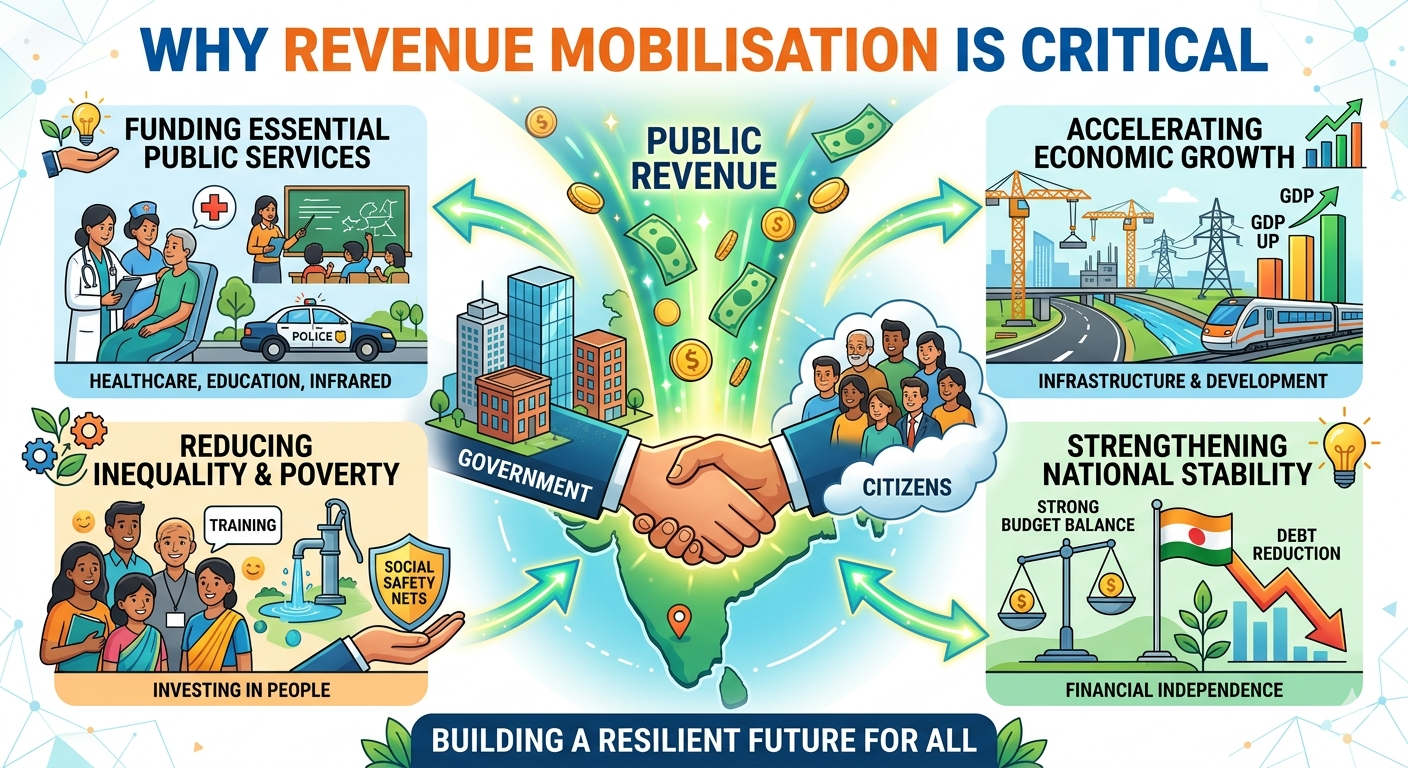
Why Revenue Mobilisation Is Critical – Revenue mobilisation helps governments fund public services, reduce debt pressure, and support economic growth. Here’s why it is essential to Ghana’s economy.
Why Revenue Mobilisation Is Critical
Every government needs money to operate effectively. From building roads and hospitals to paying public sector workers and funding education, national development depends heavily on revenue generation.
In Ghana, discussions around revenue mobilisation have become increasingly important as policymakers seek to strengthen the economy, improve public services, and reduce dependence on borrowing. Without strong and sustainable revenue collection, it becomes difficult for governments to meet the growing needs of citizens and businesses.
📢 GET DETAILED ARTICLES + JOBS
Join THSB's WhatsApp Channel and never miss a post or opportunity.
What Is Revenue Mobilisation?
Revenue mobilisation refers to the process through which governments generate income to finance national activities and development projects. Government revenue commonly comes from:
- Taxes
- Import duties
- Levies and fees
- Natural resource earnings
- State-owned enterprises
Effective revenue mobilisation ensures that governments have enough resources to support economic growth and provide essential services.
Funding Public Services
One of the main reasons revenue mobilisation is critical is because public services depend on it. Revenue helps fund:
- Schools and universities
- Hospitals and healthcare systems
- Roads and transportation
- Security services
- Water and electricity infrastructure
Without adequate revenue, governments may struggle to maintain or improve these essential services.
Reducing Dependence on Borrowing
Countries that cannot generate enough revenue often rely heavily on borrowing. Excessive borrowing can lead to:
- Rising national debt
- Higher interest payments
- Reduced investor confidence
- Pressure on government finances
Strong revenue mobilisation allows governments to finance more projects internally rather than depending entirely on loans.
For Ghana, improving domestic revenue generation is often seen as an important step toward long-term economic stability.
Supporting Economic Growth
Revenue collection also supports economic development by allowing governments to invest in productive sectors of the economy. Public investment can stimulate:
When managed properly, government spending financed through revenue can encourage broader economic growth.
The Role of Taxes in Revenue Mobilisation
Taxes are one of the largest sources of government revenue. These may include:
- Income tax
- Corporate tax
- Value Added Tax (VAT)
- Import duties
- Property rates
Tax revenue enables governments to provide services that benefit the wider population. However, tax systems must balance revenue generation with fairness so businesses and individuals are not overburdened.
Why Informal Sector Participation Matters

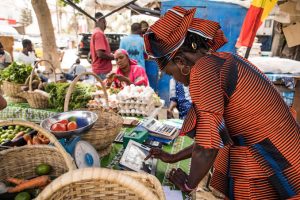
In Ghana, a large portion of economic activity takes place in the informal sector. Many small businesses and traders operate outside the formal tax system. Improving participation in the formal economy can:
- Expand the tax base
- Increase government revenue
- Improve economic planning
- Support fairer taxation
Digitisation and mobile payment systems are increasingly being used to improve tax collection efficiency.
Investor Confidence and Economic Stability
Revenue mobilisation is closely linked to investor confidence. Investors often assess:
- A country’s ability to generate revenue
- Fiscal discipline
- Debt sustainability
- Budget management
Stronger revenue performance can improve confidence in the economy and make it easier to attract investment.
Challenges Facing Revenue Collection
Despite its importance, revenue mobilisation can face several obstacles, including:
- Tax evasion
- Weak enforcement systems
- Informal economic activity
- Corruption and inefficiencies
- Slow economic growth
Addressing these challenges requires stronger institutions, digital reforms, and improved public trust.
Why Public Trust Is Important
Citizens are more likely to support tax policies when they believe public funds are being used responsibly. Transparency and accountability help build confidence that revenue is being directed toward:
- Development projects
- Better public services
- Economic improvement
When trust is low, compliance with tax systems can weaken.
THSB Conclusion
Revenue mobilisation is critical because it gives governments the financial ability to support development, maintain public services, and strengthen economic stability.
For Ghana, improving revenue generation is not only about increasing taxes—it is also about building a stronger, more sustainable economy capable of funding its own growth and reducing long-term financial pressures.
Source: The High Street Business
Disclaimer: Some content on The High Street Business may be aggregated, summarized, or edited from third-party sources for informational purposes. Images and media are used under fair use or royalty-free licenses. The High Street Business is a subsidiary of SamBoad Publishing under SamBoad Business Group Ltd, registered in Ghana since 2014.
For concerns or inquiries, please visit our Privacy Policy or Contact Page.

Esther Aku-Sika is a content writer and social media strategist who helps brands and startups grow through intentional storytelling and practical marketing strategies. With a keen eye for trends and audience behavior, she shares business insights, content strategies, and real-life lessons to help entrepreneurs build visibility and turn ideas into income. Through her writing, she simplifies complex concepts and equips readers with actionable steps to grow in today’s digital space.