







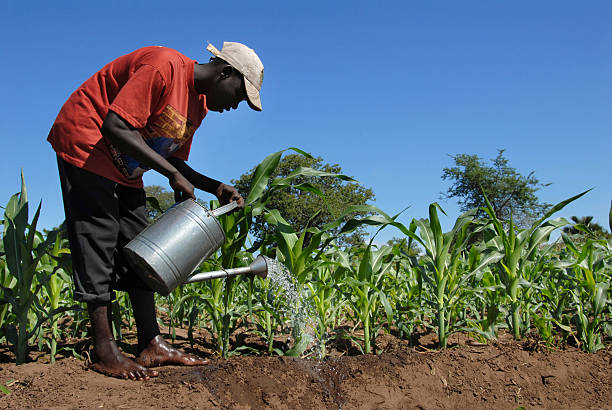

Maize is one of Ghana’s most important staple crops, serving as a key ingredient in foods such as banku, kenkey, tuo zaafi, and animal feed. Beyond food security, maize farming plays a critical role in rural livelihoods and agribusiness development across the country.
However, maize farming in Ghana faces challenges including declining soil fertility, erratic rainfall, rising input costs, and post-harvest losses. Building a sustainable maize farm is therefore no longer optional — it is essential for long-term profitability, resilience, and environmental protection. This guide by The High Street Business explains how to build a sustainable maize farm in Ghana using proven best practices and practical tips.
Understanding Sustainable Maize Farming
Sustainable maize farming focuses on increasing productivity while conserving soil, water, and biodiversity. It balances profitability with environmental responsibility and social impact.
📢 GET DETAILED ARTICLES + JOBS
Join THSB's WhatsApp Channel and never miss a post or opportunity.
Key principles include:

-
Efficient use of land and inputs
-
Soil fertility management
-
Climate-smart farming practices
-
Reduced post-harvest losses
-
Long-term yield stability
Farmers who adopt sustainable practices are better equipped to withstand climate shocks and market volatility.
Step 1: Land Selection and Soil Preparation
Choosing the right land is the foundation of a sustainable maize farm.
Ideal Conditions for Maize in Ghana
-
Well-drained loamy soils
-
Moderate organic matter content
-
Access to water
-
Flat or gently sloping land
Before planting, farmers should conduct soil testing to determine nutrient levels and pH. This helps guide fertiliser application and prevents waste.
Land Preparation Methods
-
Minimum tillage to protect soil structure
-
Avoiding bush burning
-
Incorporating crop residues into the soil
Conservation tillage improves moisture retention and reduces erosion.
Step 2: Selecting Improved and Climate-Resilient Seeds
Seed choice directly affects yield and sustainability.
Recommended Maize Varieties in Ghana
-
Early-maturing varieties for short rainy seasons
-
Drought-tolerant varieties for climate resilience
-
Disease-resistant hybrids
Certified seeds from approved suppliers ensure higher germination rates and uniform growth.
Using saved or uncertified seeds may reduce yields and increase vulnerability to pests and diseases.
Step 3: Planting Techniques and Spacing
Proper planting ensures optimal plant population and nutrient use.
Best practices include:
-
Planting at the onset of rains
-
Maintaining recommended spacing
-
Planting at the correct depth
Uniform spacing improves sunlight penetration, airflow, and nutrient uptake, reducing disease pressure.

Step 4: Integrated Soil Fertility Management
Sustainable maize farming relies on balanced soil nutrition.
Organic Soil Improvement
-
Use of compost and animal manure
-
Incorporation of leguminous cover crops
-
Crop rotation with nitrogen-fixing plants
Responsible Fertiliser Use
-
Apply fertiliser based on soil test results
-
Split fertiliser application to reduce nutrient loss
-
Combine organic and inorganic inputs
Overuse of fertiliser increases costs and degrades soil health over time.
Step 5: Weed, Pest, and Disease Control
Uncontrolled weeds and pests significantly reduce maize yields.
Weed Management
-
Early weeding within the first 4–6 weeks
-
Mulching to suppress weed growth
-
Minimal herbicide use where necessary
Pest and Disease Control
-
Use of resistant seed varieties
-
Regular field monitoring
-
Integrated Pest Management (IPM) techniques
Reducing chemical dependence protects beneficial organisms and lowers production costs.
Step 6: Climate-Smart Water Management
Rain-fed maize farming dominates Ghana, making climate-smart practices essential.
Water management strategies include:
-
Mulching to retain soil moisture
-
Planting cover crops
-
Constructing drainage systems to prevent flooding
In irrigated systems, efficient water use prevents wastage and soil degradation.
Step 7: Harvesting and Post-Harvest Handling
Post-harvest losses remain a major challenge in maize farming.
Best practices include:
-
Harvesting at physiological maturity
-
Proper drying to safe moisture levels
-
Using improved storage facilities
Hermetic storage bags and improved silos significantly reduce losses from pests and mould.
Step 8: Value Addition and Market Access
Sustainable maize farming extends beyond production to market integration.
Value addition opportunities include:
-
Supplying maize to feed mills
-
Processing into maize flour or grits
-
Contract farming arrangements
Farmers who link production to markets achieve better price stability and income security.
Step 9: Record Keeping and Farm Economics
Accurate records improve decision-making and sustainability.
Key records include:
-
Input costs
-
Yields
-
Labour
Understanding cost structures allows farmers to adjust practices and maximise returns.
Step 10: Leveraging Support Programmes and Training
Ghanaian maize farmers can benefit from:
-
Agricultural extension services
-
Farmer-based organisations
-
Training programmes and cooperatives
Access to knowledge improves adoption of sustainable practices and productivity.
Challenges to Sustainable Maize Farming in Ghana
Key challenges include:
-
Climate variability
-
Limited access to finance
-
Poor storage infrastructure
Addressing these challenges requires coordinated efforts from farmers, policymakers, and agribusiness investors.
The Future of Sustainable Maize Farming in Ghana
Sustainable maize farming is central to Ghana’s food security and agribusiness growth. As climate pressures increase, farmers who adopt soil health management, climate-smart practices, and market-oriented production will remain competitive.
Sustainability is no longer just about protecting the environment — it is about ensuring consistent income and long-term farm viability.
Frequently Asked Questions (FAQs)
Is maize farming profitable in Ghana?
Yes. With improved seeds, good soil management, and market access, maize farming can be profitable and scalable.
What is the best maize variety for Ghana?
Improved, early-maturing, and drought-tolerant varieties perform best across different ecological zones.
How can I reduce post-harvest losses?
Proper drying, improved storage methods, and pest control significantly reduce losses.
Do I need fertiliser for maize farming?
Yes, but fertiliser should be applied responsibly based on soil tests and combined with organic inputs.
Can maize farming be done sustainably on small land?
Yes. Sustainable practices improve yields even on small plots when properly managed.
Source: The High Street Business
Disclaimer: Some content on The High Street Business may be aggregated, summarized, or edited from third-party sources for informational purposes. Images and media are used under fair use or royalty-free licenses. The High Street Business is a subsidiary of SamBoad Publishing under SamBoad Business Group Ltd, registered in Ghana since 2014.
For concerns or inquiries, please visit our Privacy Policy or Contact Page.

Samuel Kwame Boadu is a Ghanaian entrepreneur, writer, and digital consultant passionate about creating impactful stories and business solutions. He is the Founder & CEO of SamBoad Business Group Ltd, a dynamic company with subsidiaries in digital marketing, logistics, publishing, and risk management.