



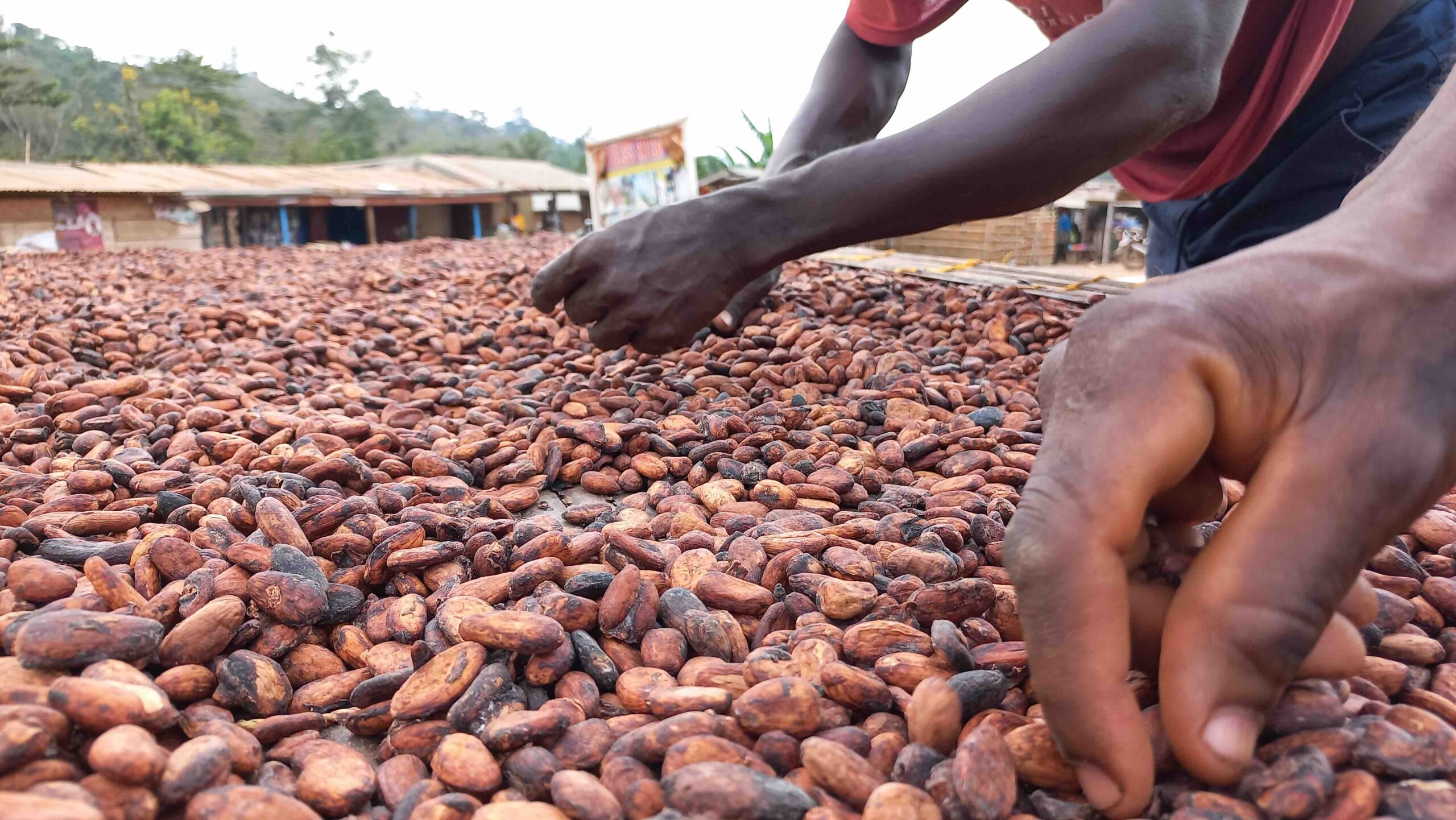
Ghana is globally recognised as one of the world’s leading producers of high-quality cocoa. Known for its rich flavour profile and consistent quality, Ghanaian cocoa commands premium pricing on international markets. Cocoa exports play a central role in Ghana’s economy, contributing significantly to foreign exchange earnings and rural livelihoods.
For entrepreneurs and agribusiness investors, cocoa export offers long-term commercial potential. However, exporting cocoa is a regulated, quality-sensitive business that requires compliance with national laws, international standards, and global trade practices. This step-by-step guide by The High Street Business explains how to export Ghanaian cocoa successfully, from sourcing and certification to logistics and market access.
Understanding Ghana’s Cocoa Export System
Cocoa exports in Ghana operate under a structured system overseen by the Ghana Cocoa Board (COCOBOD). Unlike many other crops, cocoa exports are tightly regulated to protect quality, farmer incomes, and Ghana’s international reputation.
📢 GET DETAILED ARTICLES + JOBS
Join THSB's WhatsApp Channel and never miss a post or opportunity.
Exporters may deal in:
-
Semi-processed cocoa products such as cocoa liquor, butter, and powder
-
Value-added cocoa products for niche markets
Understanding the regulatory framework is the foundation of success in the cocoa export business.
Step 1: Register Your Business Properly
Before entering the cocoa export trade, you must establish a legally recognised business entity in Ghana.
Key registration steps include:
-
Registering your company with the Registrar-General’s Department
-
Obtaining a Tax Identification Number (TIN)
-
Registering with the Ghana Revenue Authority (GRA)
-
Opening a corporate bank account
A properly registered company improves credibility with regulators, buyers, and financial institutions.
Step 2: Obtain the Required Cocoa Export Licences
Exporting cocoa in Ghana requires specific approvals beyond standard export documentation.
Key licences and permits include:
-
COCOBOD authorisation or licensing through relevant cocoa subsidiaries
-
Ghana Export Promotion Authority (GEPA) registration
-
Exporter registration with the Customs Division of GRA
Failure to comply with licensing requirements can result in shipment delays, penalties, or loss of export privileges.
Step 3: Understand Cocoa Quality Standards
Ghanaian cocoa is prized for its quality, and maintaining that standard is non-negotiable.
Quality requirements include:
-
Proper fermentation and drying
-
Acceptable moisture content
-
Absence of mould, pests, and foreign materials
-
Uniform bean size and colour
Cocoa beans are inspected and graded before export. Maintaining quality at the sourcing stage protects your brand and ensures repeat international orders.
Step 4: Source Cocoa Beans Responsibly
Cocoa exporters typically source beans through:
-
Licensed Buying Companies (LBCs)
-
Aggregators and cooperatives
-
Direct farmer partnerships (within regulatory limits)
Building strong sourcing relationships ensures consistent supply and traceability, which is increasingly demanded by international buyers.
Step 5: Packaging and Storage Requirements
Cocoa beans must be packaged and stored correctly to preserve quality during transit.
Best practices include:
-
Using approved jute sacks
-
Storing beans in dry, ventilated warehouses
-
Protecting stock from moisture and pests
-
Avoiding contamination from chemicals or odours
Improper storage can lead to rejection at destination ports, resulting in financial losses.
Step 6: Secure Export Financing
Cocoa export is capital-intensive, especially when dealing in bulk volumes.
Common financing options include:
-
Trade finance from commercial banks
-
Export credit facilities
-
Buyer-backed financing arrangements
-
Development finance institutions
Proper financial planning ensures you can purchase, store, and ship cocoa without cash flow disruptions.
Step 7: Arrange Logistics and Shipping
Export logistics play a major role in profitability and delivery timelines.
Key logistics considerations:
-
Choosing reputable freight forwarders
-
Selecting suitable shipping containers
-
Ensuring proper fumigation and inspection
-
Coordinating port handling and documentation
Most cocoa exports leave Ghana through the ports of Tema and Takoradi. Efficient logistics reduce delays and protect product integrity.
Step 8: Prepare Export Documentation
Accurate documentation is critical for smooth customs clearance.
Typical export documents include:
-
Commercial invoice
-
Packing list
-
Certificate of origin
-
Phytosanitary certificate
-
Bill of lading
-
Quality inspection certificate
Errors in documentation can lead to shipment holds, fines, or contract disputes.
Step 9: Identify and Secure International Buyers
Successful cocoa exporters invest heavily in market development.
Buyer acquisition strategies include:
-
Participating in international trade fairs
-
Working with commodity brokers
-
Leveraging trade missions and embassies
-
Building direct relationships with processors and manufacturers
Long-term contracts with reputable buyers offer price stability and predictable demand.
Step 10: Comply with Sustainability and Traceability Standards
Global cocoa markets increasingly demand ethical and sustainable sourcing.
Key expectations include:
-
Traceability to farm level
-
Environmental sustainability practices
-
Certification schemes where applicable
Exporters who align with sustainability standards gain access to premium markets and long-term partnerships.
Common Challenges in Cocoa Exporting
Despite its potential, cocoa exporting presents challenges such as:
-
Regulatory complexity
-
High capital requirements
-
Logistics and shipping delays
Successful exporters mitigate these risks through diversification, strong partnerships, and operational discipline.
The Future of Ghanaian Cocoa Exports
Global demand for cocoa continues to grow, driven by chocolate consumption and emerging markets. Ghana’s focus on value addition, traceability, and quality assurance positions its cocoa sector for long-term competitiveness.
Entrepreneurs who invest in compliance, innovation, and market relationships are well-placed to benefit from this evolving landscape.
Frequently Asked Questions (FAQs)
Can individuals export cocoa from Ghana?
Cocoa exports are regulated, and exporters must operate through licensed entities and comply with COCOBOD regulations.
How profitable is cocoa exporting?
Profitability depends on volumes, pricing, logistics efficiency, and market access, but cocoa exports can be highly lucrative.
What documents are required to export cocoa?
Key documents include export licences, certificates of origin, phytosanitary certificates, and shipping documents.
Do cocoa exporters need certification?
While not mandatory in all cases, sustainability and traceability certifications improve access to premium markets.
Which countries import Ghanaian cocoa?
Major markets include Europe, North America, and parts of Asia, where Ghanaian cocoa is highly valued.
Source: The High Street Business
Disclaimer: Some content on The High Street Business may be aggregated, summarized, or edited from third-party sources for informational purposes. Images and media are used under fair use or royalty-free licenses. The High Street Business is a subsidiary of SamBoad Publishing under SamBoad Business Group Ltd, registered in Ghana since 2014.
For concerns or inquiries, please visit our Privacy Policy or Contact Page.

Samuel Kwame Boadu is a Ghanaian entrepreneur, writer, and digital consultant passionate about creating impactful stories and business solutions. He is the Founder & CEO of SamBoad Business Group Ltd, a dynamic company with subsidiaries in digital marketing, logistics, publishing, and risk management.