







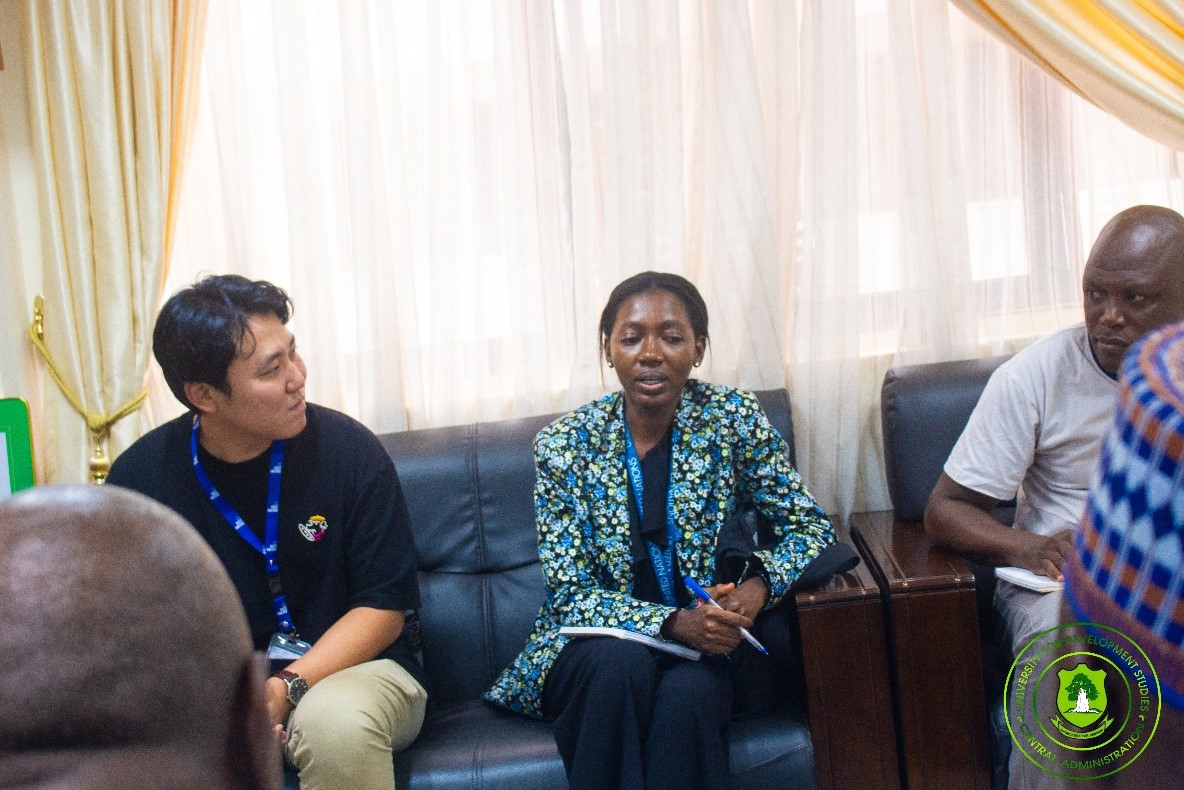

Maame Yaa Owusu-Amoah says Ghana’s banks must design SME products around real business timelines, using human-centred design and flexible collateral like cash flow and stock, while entrepreneurs should question lenders and choose institutions that truly understand their businesses.
Ask a bank whether it does SME banking or has SME products and the answer is almost always yes. However, ask a small business owner whether that is indeed true and the reply may be different.
This disconnect was revealed in the recent edition of Accra Street Journal. Maame Yaa Owusu-Amoah, a technical specialist in Digital Finance, argued that financial institutions need to develop products that speak the language of the small business.
📢 GET DETAILED ARTICLES + JOBS
Join THSB's WhatsApp Channel and never miss a post or opportunity.
What Is the “Language of the SME”?
According to Maame Yaa Owusu-Amoah, it is the set of constraints SMEs face when trying to access finance. A truly SME-friendly product, she explained, understands how these businesses work. It takes into consideration the uncertainties, the risks and, above all, the timelines.
Her example came from the farm. An agribusiness owner needs money to buy fertiliser at a specific window. If the funds arrive a week late, she said, the money is no longer relevant, because it will not have the needed impact on the maize.
In fact, she noted, financing is needed at every stage of the farming cycle — from preparing the soil, when equipment and labour must be paid for, sowing, applying fertiliser, and even during harvest time.
Design From the Ground Up
Her approach, which she said her team has used with partners, is human-centred design. Rather than building a product from behind a desk, designers get involved in the day-to-day running of the business. They ask what is being grown, what the timelines are and when money must be deployed.
She said this is how the Solace Merchant Platform came about. Picture an entrepreneur who processes shea butter and sells through an online platform, WhatsApp, family and friends, and a shop. This is a lot moving at once.
What such a business needs, she said, is a financial partner who can pull it all together into a true picture of the business, then help with asset financing for equipment or with hands-on support.
Banks “Relaxed and Pampered”?
She was direct about the wider banking system. In her view, many banks have been relaxed and pampered, preferring the easy business of lending to individuals and companies that are already doing well. The hard work of going to the field to understand SMEs, she said, is something there is not much of in the system.
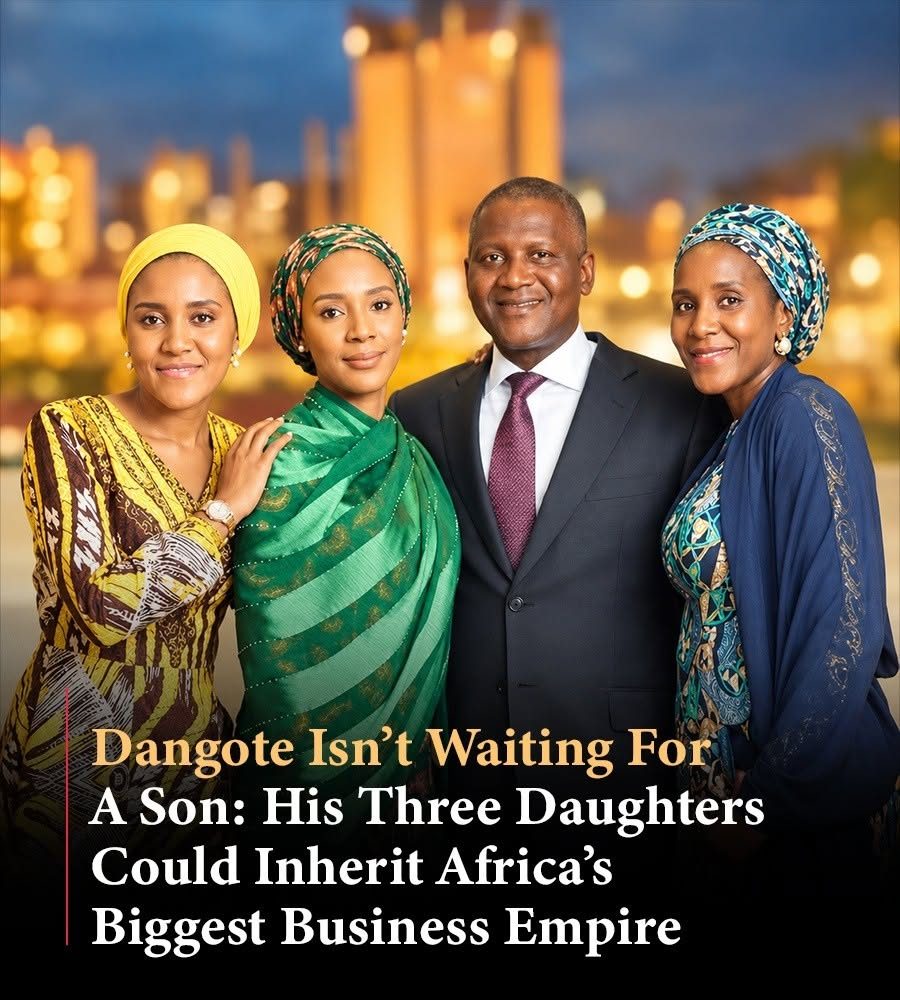
Some may argue that handholding is not a bank’s job. But Maame Yaa Owusu-Amoah offered a counterpoint. If a bank walked with Dangote when he started out and is still his banker today, she said, imagine how much it is earning from that relationship.
She therefore maintained that financial institutions in the country should not despise humble and small beginnings.
Collateral Without the Property Papers
She envisions SME products that may not need traditional collateral at all. The collateral, she said, can be the stock a business holds, its cash flow, or the orders coming in.
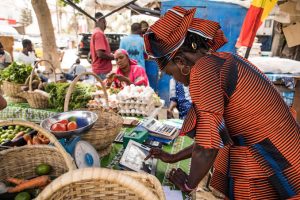
Such products could even come with built-in insurance. A trader in Kantamanto, for instance, faces the real possibility of fire or flood, and a product designed for that trader would account for it. Without products like these, she said, banking is not really banking for small businesses.
Buzzword Banking
Today, she observed, “SME” is a buzzword. Many banks say they do SME banking, yet when you sit down with them, she said, the collateral demanded is unrealistic, the interest rates are steep and the repayment timelines are short. By her account, banks that truly understand SMEs are few.
Flip the Script
The digital finance specialist therefore advised startups and young businesses not to simply walk into a bank asking for a loan, even if you meet every requirement. Make sure the institution understands your business.
Business owners, she said, should not let the banker do all the questioning. Ask questions too. If the product does not fit, it is fine to say so, explain how your business works, and speak to someone else.
For Ghana’s lenders, the question she leaves on the table is whether their products are built around how SMEs actually operate.
Key Points at a Glance
| Theme | Maame Yaa Owusu-Amoah’s Position |
|---|---|
| Core Problem | Bank SME products don’t match real business timelines |
| Design Method | Human-centred design, embedded in the business |
| Case Study | Solace Merchant Platform (shea butter processor) |
| Bank Criticism | Relaxed and pampered,” avoiding field-level SME work |
| Alternative Collateral | Stock, cash flow, purchase orders |
| Product Enhancement | Built-in insurance (e.g., fire/flood for traders) |
| Advice to SMEs | Question lenders; choose banks that understand your business |
| Systemic Question | Are products built around how SMEs actually operate? |
Source: The High Street Business
Disclaimer: Some content on The High Street Business may be aggregated, summarized, or edited from third-party sources for informational purposes. Images and media are used under fair use or royalty-free licenses. The High Street Business is a subsidiary of SamBoad Publishing under SamBoad Business Group Ltd, registered in Ghana since 2014.
For concerns or inquiries, please visit our Privacy Policy or Contact Page.
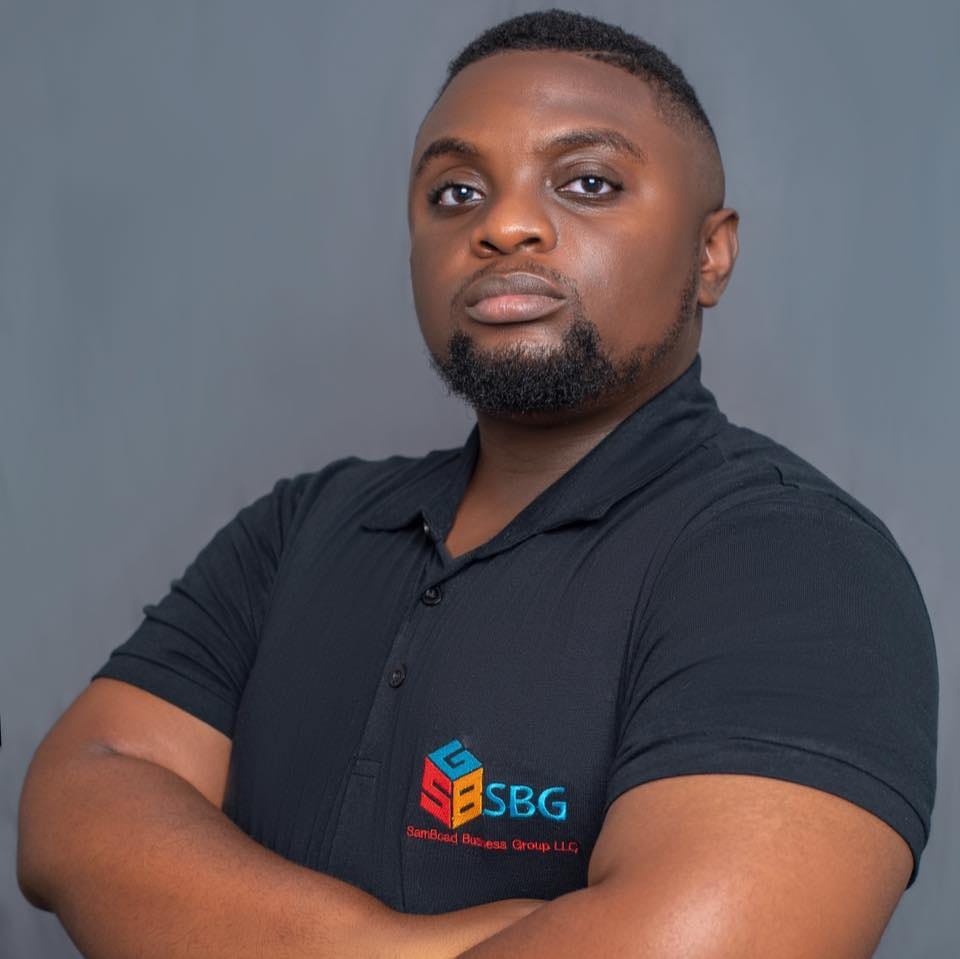
Samuel Kwame Boadu is a Ghanaian entrepreneur, writer, and digital consultant passionate about creating impactful stories and business solutions. He is the Founder & CEO of SamBoad Business Group Ltd, a dynamic company with subsidiaries in digital marketing, logistics, publishing, and risk management.