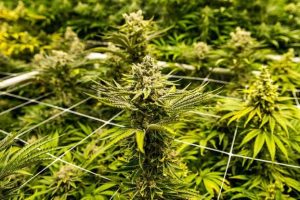




Ghana’s cannabis industry is struggling to attract investment, as licensing fees of about $45,000 and difficulties securing buyers leave licensed companies unable to begin operations, according to Dr Mark Darko, head of the Ghana Chamber of Cannabis Industry.
Ghana’s cannabis industry is struggling to attract investment, as licensing fees of about $45,000 and difficulties securing buyers leave licensed companies unable to begin operations, according to Dr Mark Darko, head of the Ghana Chamber of Cannabis Industry.
Only Two Licences in Three Years
Only two companies have received licences in about three years since the law governing regulated cannabis cultivation was passed, and neither has started operating, Dr Darko said in an interview with The High Street Journal.
📢 GET DETAILED ARTICLES + JOBS
Join THSB's WhatsApp Channel and never miss a post or opportunity.
The high cost of entry is discouraging potential investors, while restrictions on cultivation and a crowded market for cannabidiol, or CBD, products are limiting commercial prospects, he said. Dr Darko compared Ghana’s licensing fee with about $50 in South Africa** and **$1,000 in the US.

Cultivation Limits Undermine Viability
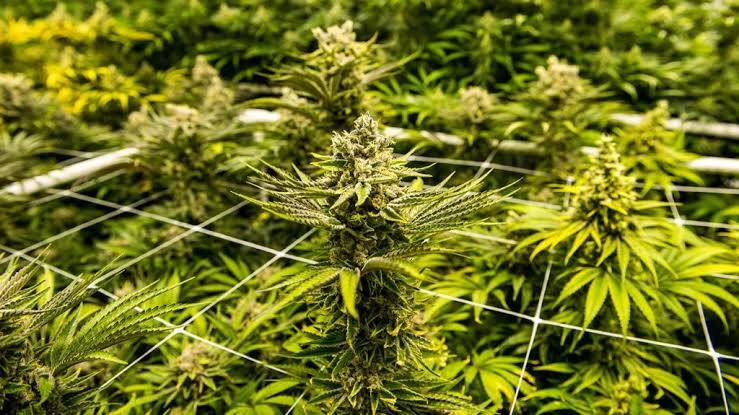
One licensed company is permitted to cultivate up to 1.2 hectares, Dr Darko said, arguing that industrial hemp production requires greater scale to make businesses focused on fibre and biomass commercially viable.
Companies are also struggling to secure buyers for their output, leaving them with limited options in an already competitive CBD market.
Risk to Ghana’s Regulated Industry Ambitions
The challenges risk undermining Ghana’s effort to establish a regulated industry that can create jobs and attract investment while providing a legal route for growers.
Dr Darko said the chamber is lobbying the government to review the licensing framework and consult industry participants more closely on commercial conditions.
Political Stability and Climate as Advantages
Ghana’s perceived advantages in political stability, security and climate could help it attract investors, he said. But he estimated that businesses could wait more than three years to break even, a timeline that may deter investors without access to patient capital.
Ghana Absent From South African Industry Event
The industry’s difficulties were also reflected in Ghana’s absence from a cannabis industry event in South Africa.
Dr Darko, who said he was a co-organiser, said the Ghanaian delegation withdrew after the Ministry of Foreign Affairs issued a travel advisory urging caution over travel to the country amid anti-immigrant tensions.
The delegation had planned to meet industry participants and visit cannabis farms and dispensaries to explore investment opportunities, knowledge exchange and cross-border partnerships. The event went ahead, but Dr Darko said the absence of Ghana and other delegates affected the organisers’ objectives. A further gathering is being planned for 2027, potentially in Cape Town.
He condemned attacks on foreign nationals and said safety considerations had to take precedence over commercial networking.
Regulatory Oversight Concerns
Dr Darko disagreed with the concentration of regulatory oversight under the Ministry of the Interior, saying that agriculture, health and trade authorities should also contribute to policy decisions, as the industry spans farming, medical applications and commercial production.
Without changes to licensing costs, cultivation restrictions and access to buyers, Ghana risks missing opportunities to develop a commercially viable cannabis industry and attract investment from regional and international operators, Dr Darko said.
Key Figures at a Glance
| Metric | Ghana | South Africa | USA |
|---|---|---|---|
| Licensing Fee | ~$45,000 | ~$50 | ~$1,000 |
| Licensed Companies (3 years) | 2 | — | — |
| Companies Operating | 0 | — | — |
| Cultivation Limit | 1.2 hectares | — | — |
| Break-even Timeline | 3+ years | — | — |
Source: The High Street Business
Disclaimer: Some content on The High Street Business may be aggregated, summarized, or edited from third-party sources for informational purposes. Images and media are used under fair use or royalty-free licenses. The High Street Business is a subsidiary of SamBoad Publishing under SamBoad Business Group Ltd, registered in Ghana since 2014.
For concerns or inquiries, please visit our Privacy Policy or Contact Page.
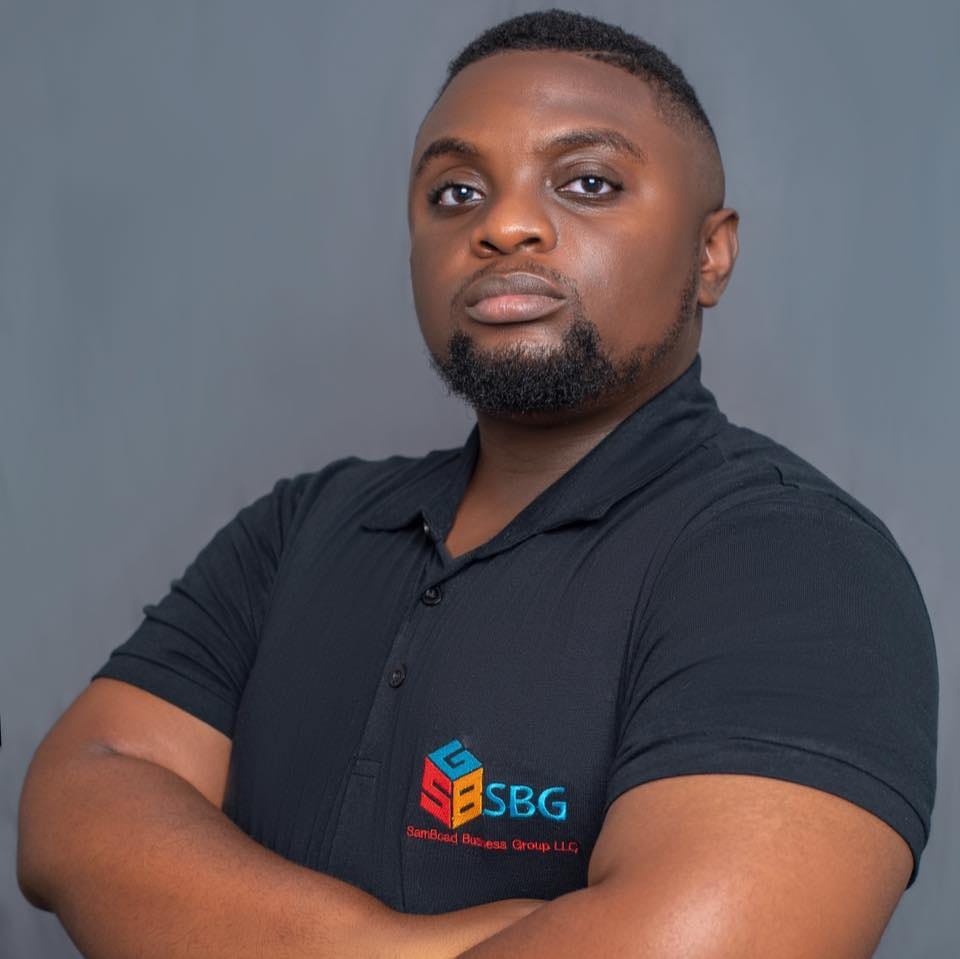
Samuel Kwame Boadu is a Ghanaian entrepreneur, writer, and digital consultant passionate about creating impactful stories and business solutions. He is the Founder & CEO of SamBoad Business Group Ltd, a dynamic company with subsidiaries in digital marketing, logistics, publishing, and risk management.