






Ghanaian households are facing higher cooking costs after an 18.5% increase in liquefied petroleum gas prices in the second half of October, with SEMPA Africa warning the rise threatens clean cooking targets and calling for targeted, time-limited relief.
Ghanaian households are facing higher cooking costs following an increase in liquefied petroleum gas (LPG) prices in the second half of October.
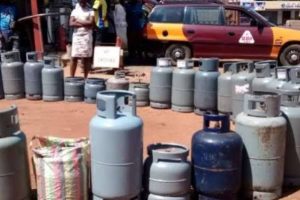
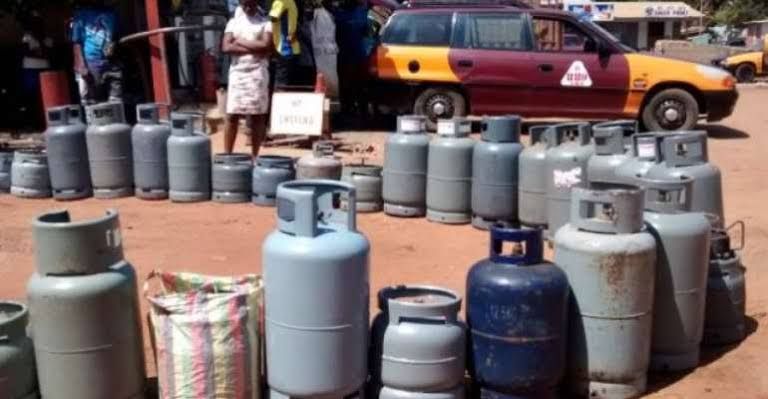
The 18.5% rise means consumers now pay about GH¢48 more for a typical 15-kilogramme refill, putting additional pressure on household budgets and raising concerns about the affordability of a fuel widely used for cooking.
📢 GET DETAILED ARTICLES + JOBS
Join THSB's WhatsApp Channel and never miss a post or opportunity.
The increase is also likely to intensify calls for targeted government relief to cushion consumers against rising costs.

SEMPA Africa’s Warning
The Sustainable Energy and Mines Projects Advocacy (SEMPA Africa) says the increase risks worsening household expenditure and weakening demand for clean cooking fuel, particularly as diesel consumers benefit from government measures to cushion fuel costs.
In a policy paper, the organisation said the projected average LPG pump price for the October 16–31 pricing window reached GH¢20.60 per kilogramme, pushing the estimated cost of a 15-kilogramme refill from about GH¢261 to GH¢309.
The Price Floor Problem
SEMPA attributed much of the increase to a sharp rise in the National Petroleum Authority’s (NPA) minimum price floor, which increased by about 25%, from GH¢11.10 to GH¢13.87 per kilogramme.
According to SEMPA’s calculations, the adjustment accounted for approximately 86% of the projected GH¢3.22-per-kilogramme increase in the average pump price.
Although international LPG prices rose by 7.77% over the same period, the organisation said the increase in the domestic price floor was not fully explained by the published international price and exchange-rate movements.
Calls for Transparency
The discrepancy has prompted SEMPA to call on the NPA and the Chamber of Oil Marketing Companies (COMAC) to publish a detailed breakdown of LPG pricing for each pricing window, covering import costs, freight, exchange rates, levies and marketing margins.
SEMPA said the current pressure appeared to reflect international prices and currency movements rather than a physical supply shortage, making greater transparency and targeted, time-limited relief appropriate options for consideration.
Proposed Relief Measures
The organisation proposed:
-
A temporary partial suspension of selected levies or margins
-
A targeted lifeline allocation for registered low-income households
-
Consideration of LPG consumers alongside any extension of diesel relief
-
Provision for an LPG price-stabilisation mechanism in the 2027 Budget
Such support, it said, should prioritise households most exposed to rising cooking fuel costs, have a clearly defined end date and disclose the expected fiscal cost.
Threat to Ghana’s Clean Cooking Agenda
The economic implications also extend to Ghana’s clean cooking agenda. SEMPA warned that sustained increases in LPG prices could push some households back towards charcoal and firewood, with consequences for household air quality and pressure on forest resources.

Ghana has committed to achieving 50% household LPG use by 2030. However, SEMPA cited figures from the Centre for Environmental Management and Sustainable Energy indicating that household LPG use had declined from about 37% to 28%.
The organisation warned that further affordability pressures could also undermine the NPA’s Cylinder Recirculation Model, which seeks to improve safety and reduce the cost of accessing LPG.
Beyond Immediate Price Relief
SEMPA called for:
-
Monthly publication of LPG import and stock-cover data
-
A funded rollout schedule for the Cylinder Recirculation Model
-
A review of import duties and VAT on cylinders, regulators and efficient cookstoves
It said a transparent pricing system, combined with targeted support for vulnerable consumers, would help balance household affordability, fiscal discipline and Ghana’s longer-term clean cooking objectives.
Key Figures at a Glance
| Metric | Before | After |
|---|---|---|
| LPG Price Increase | — | 18.5% |
| 15kg Refill Cost | ~GH¢261 | ~GH¢309 |
| Additional Cost | — | ~GH¢48 |
| Average Pump Price | — | GH¢20.60/kg |
| NPA Minimum Price Floor | GH¢11.10/kg | GH¢13.87/kg (+25%) |
| Price Floor Share of Increase | — | ~86% |
| International LPG Price Rise | — | 7.77% |
| Household LPG Use | ~37% | ~28% |
| 2030 Target | — | 50% |
Source: The High Street Business
Disclaimer: Some content on The High Street Business may be aggregated, summarized, or edited from third-party sources for informational purposes. Images and media are used under fair use or royalty-free licenses. The High Street Business is a subsidiary of SamBoad Publishing under SamBoad Business Group Ltd, registered in Ghana since 2014.
For concerns or inquiries, please visit our Privacy Policy or Contact Page.

Samuel Kwame Boadu is a Ghanaian entrepreneur, writer, and digital consultant passionate about creating impactful stories and business solutions. He is the Founder & CEO of SamBoad Business Group Ltd, a dynamic company with subsidiaries in digital marketing, logistics, publishing, and risk management.