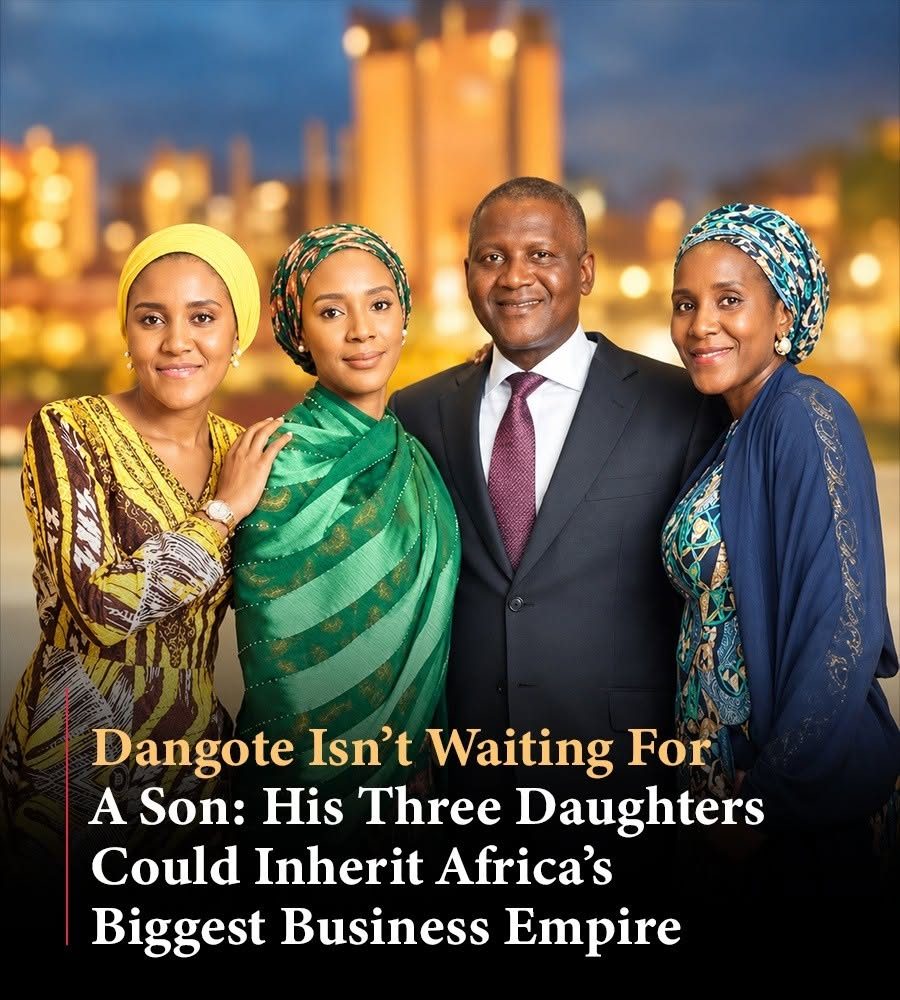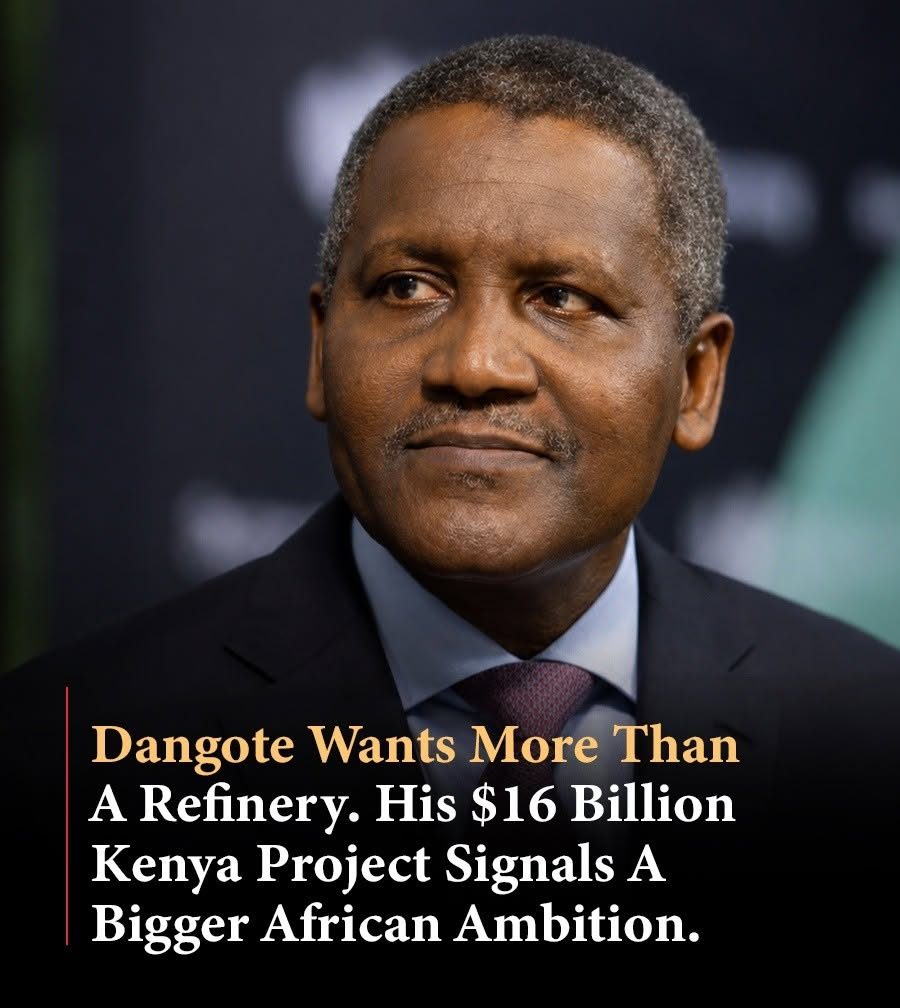

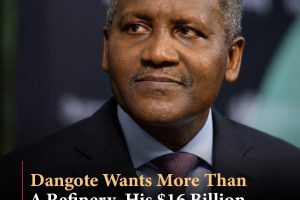




Africa’s industrial landscape is witnessing a potential turning point as Aliko Dangote, the continent’s richest man, announced plans to list his $20 billion oil refinery on the stock market. The move, aimed at enabling ordinary Nigerians to directly own shares in one of the world’s largest single-train refineries, has sparked widespread debate across the continent, reflecting both admiration and scepticism.
The Dangote Refinery, a flagship industrial asset, represents more than private enterprise—it is framed as a national legacy. Speaking to the media, Dangote emphasised that the listing is designed to broaden ownership: “Our main interest is to list on the exchange, so that every living Nigerian can own part of the refinery.” He expressed willingness to significantly dilute his stake if investors, both local and diaspora, take up a majority share. This approach signals a move toward inclusive capitalism, a model that could reshape how large-scale industrial assets are owned and managed in Africa.
The refinery’s listing is expected to generate profound economic and social impacts. By enabling Nigerians and Africans abroad to acquire shares, it provides a tangible mechanism for wealth creation beyond traditional employment. The listing may also serve as a model for other African industrialists seeking to combine profit with national development goals. As noted by netizens across the continent, Dangote’s strategy has been hailed as visionary, with Mtaury Sigas Daglassy from Maputo, Mozambique, describing it as “a blueprint for African entrepreneurs.”
📢 GET DETAILED ARTICLES + JOBS
Join THSB's WhatsApp Channel and never miss a post or opportunity.
Nevertheless, reactions are mixed. While some praise the potential for broad-based wealth creation, others highlight structural and practical challenges. Nigerian commentators have raised concerns about the country’s broader economic environment, questioning whether citizens will truly benefit if systemic issues—such as governance, energy policy, and fiscal stability—remain unresolved. Additionally, the logistics of dividend payments, particularly in local currency, have been highlighted as a key consideration for ordinary shareholders.
This development arrives amid a broader African economic context of growth, resilience, and transformation. Across the continent, financial markets, development finance, and industrial projects are signalling renewed confidence. As reported by The High Street Business, Ghana’s financial stocks have posted stellar gains in 2025, with the GSE Financial Stocks Index rising over 90 percent year-to-date, reflecting steady investor confidence. The African Development Bank’s record $11 billion mobilisation in its ADF-17 replenishment, covered by Accra Street Journal, further underscores international and regional confidence in Africa’s development prospects. Meanwhile, commodity markets, particularly copper, are experiencing surges in global demand, positioning African producers strategically in the energy transition (Accra Business News).
Dangote’s listing, therefore, is not just a corporate manoeuvre—it fits within a larger narrative of Africa taking control of its industrial and economic destiny. By allowing public participation in one of the continent’s most ambitious industrial projects, Dangote is potentially setting a precedent for African industrialists to create wealth that is widely shared while supporting national development priorities.
The Dangote Refinery is also strategically vital for Nigeria’s energy security. It is projected to reduce the country’s dependence on imported fuel, strengthen domestic production, and contribute to regional energy stability. If the stock market listing proceeds as planned, it could become one of Africa’s largest public offerings in history, reshaping perceptions of industrial ownership and investor participation across the continent.
While challenges remain, including ensuring transparency, regulatory compliance, and equitable benefits for shareholders, the initiative demonstrates how African industrial leadership can drive inclusive growth. Dangote’s vision offers a tangible example of combining private ambition with public benefit, setting a template that could inspire future projects across the continent.
FAQs
Why is Dangote listing the refinery on the stock market?
The listing is intended to allow ordinary Nigerians and Africans abroad to own shares, promoting inclusive wealth creation and ensuring the refinery becomes a legacy project.
Could Dangote lose control of the refinery?
Yes. He has indicated willingness to dilute his stake below 50% if investors take up a majority, reflecting his focus on legacy rather than ownership.
What are the benefits of public ownership for Nigerians?
Shareholders can earn dividends, participate in the country’s industrial growth, and gain direct economic stakes in one of the world’s largest refineries.
What are potential risks?
Structural challenges in Nigeria’s economy, governance issues, and dividend logistics could impact the effectiveness of broad-based ownership.
How does this fit into Africa’s broader economic trends?
The listing aligns with rising African capital market activity, increased development finance, and growing strategic control over industrial and commodity resources.
Source: The High Street Business
Disclaimer: Some content on The High Street Business may be aggregated, summarized, or edited from third-party sources for informational purposes. Images and media are used under fair use or royalty-free licenses. The High Street Business is a subsidiary of SamBoad Publishing under SamBoad Business Group Ltd, registered in Ghana since 2014.
For concerns or inquiries, please visit our Privacy Policy or Contact Page.

Samuel Kwame Boadu is a Ghanaian entrepreneur, writer, and digital consultant passionate about creating impactful stories and business solutions. He is the Founder & CEO of SamBoad Business Group Ltd, a dynamic company with subsidiaries in digital marketing, logistics, publishing, and risk management.