
Why Business Confidence Matters More Than Ever in Ghana’s Economic Climate
Business confidence has always been an invisible but powerful force in Ghana’s economy. Unlike inflation figures, interest rates, or GDP…







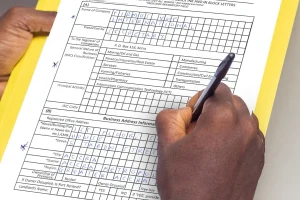
Business confidence has always been an invisible but powerful force in Ghana’s economy. Unlike inflation figures, interest rates, or GDP…

Ghana’s economic history is a story of cycles—periods of rapid growth followed by slowdowns, recovery phases interrupted by shocks, and…

Ghana’s economy is often discussed through statistics—growth rates, inflation figures, exchange rates, and fiscal balances. Yet beyond the headlines and…

Economic growth does not occur in isolation. It is shaped by the choices governments make, the confidence those choices inspire,…

Tax policy is one of the most direct ways governments interacts with the private sector. In Ghana, taxes influence how…

Government decisions play a decisive role in shaping Ghana’s business environment. From fiscal and monetary choices to regulatory actions and…
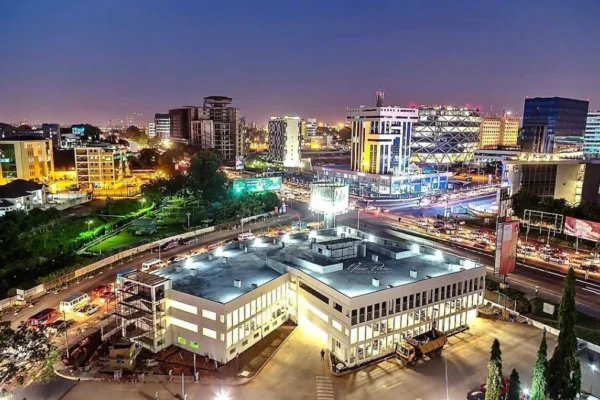
Economic policy shapes the environment in which businesses operate. In Ghana, policy decisions influence interest rates, inflation, taxes, exchange rates,…

Small and medium-sized enterprises (SMEs) are the engine room of Ghana’s economy. Across trade, agriculture, manufacturing, services, and technology, SMEs…
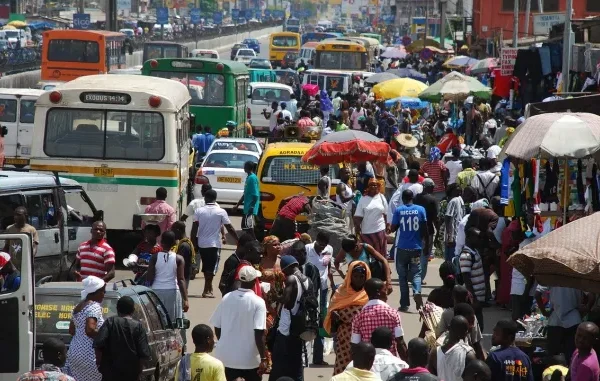
Demand and supply are the fundamental forces governing how Ghana’s economy functions. From open markets and industrial production to financial…
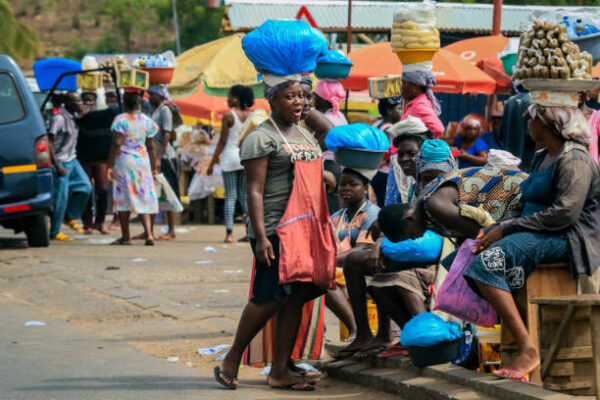
Ghana’s market structure in 2026 reflects a complex, evolving ecosystem shaped by policy reforms, private sector growth, regional trade integration,…