
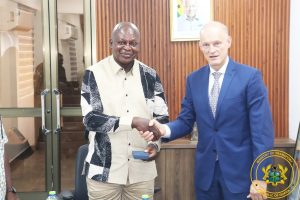


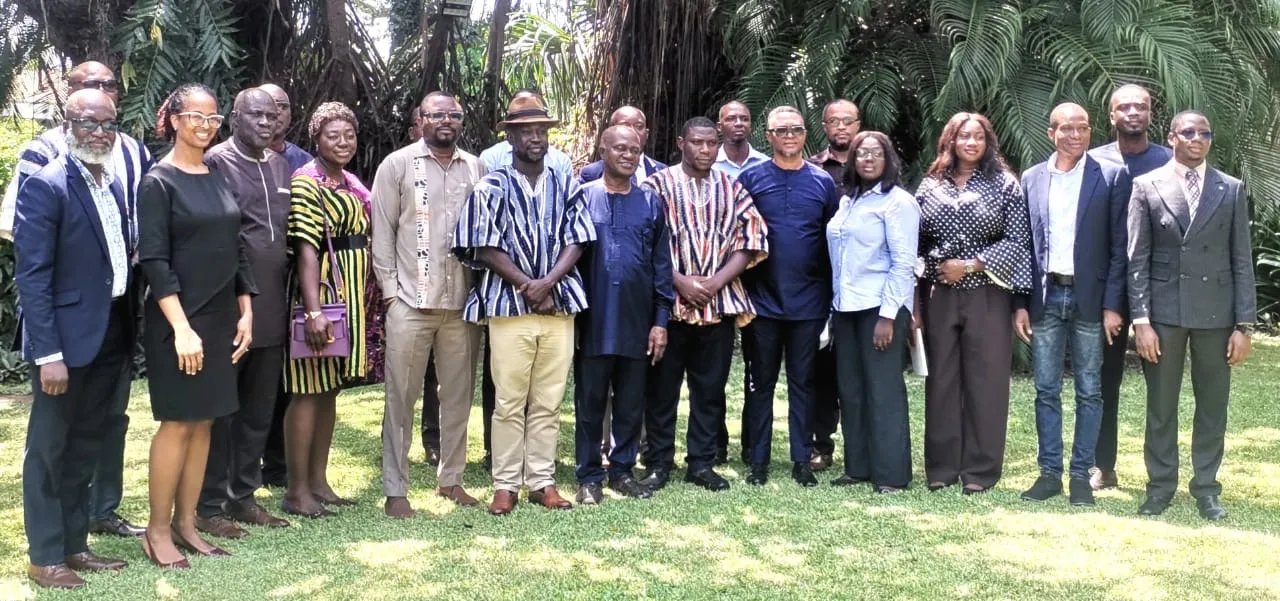

Ghana’s preparations for nuclear power generation are gaining momentum, with the Institute of Economic Affairs (IEA Ghana) supporting efforts to strengthen the institutional and technical capacity required to introduce nuclear electricity into the country’s energy mix.
Ghana’s preparations for nuclear power generation are gaining momentum, with the Institute of Economic Affairs (IEA Ghana) supporting efforts to strengthen the institutional and technical capacity required to introduce nuclear electricity into the country’s energy mix.
Professor David Kpegloh, a scientist at the University of Ghana’s School of Nuclear and Allied Sciences and Chairperson of a workshop on the programme, said nuclear power had a significant role to play in Ghana’s energy mix.
📢 GET DETAILED ARTICLES + JOBS
Join THSB's WhatsApp Channel and never miss a post or opportunity.
His comments highlight the potential contribution of nuclear energy to Ghana’s long-term electricity supply as the country seeks to diversify its generation sources and support growing industrial demand.

The IEA Support Programme
The Institute of Economic Affairs is supporting the country’s preparations through a year-long programme focusing on institutional readiness, workforce capacity and investment planning.
The Ghana Nuclear Phase II Completion and Investment Readiness Support Programme will use policy research, technical consultations and institutional assessments to identify capacity gaps and guide implementation priorities.
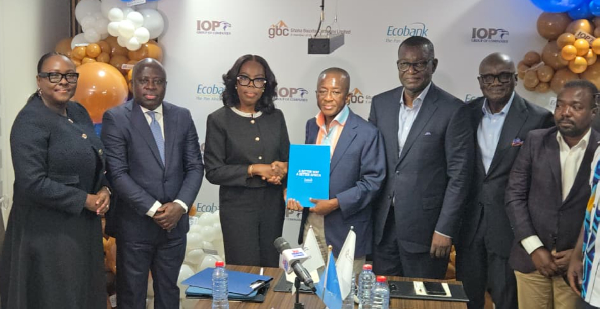
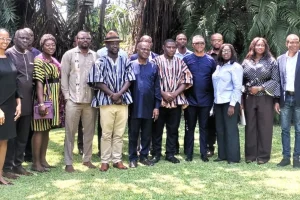
Mr Raymond Agalga, Project Lead, announced this at an inception workshop in Accra, where stakeholders discussed regulatory preparedness, human capacity development and immediate steps towards advancing the programme.
He said the initiative would assess workforce competencies and sustainability challenges to prepare national institutions for the next phase of Ghana’s nuclear power programme.
The IEA initiative seeks to contribute to these efforts through targeted policy research, technical engagement, institutional assessments, stakeholder consultations and practical decision support instruments,” he said.
Mr Agalga said structured engagements with relevant institutions would help clarify implementation priorities, improve information sharing and establish mechanisms for monitoring progress against national nuclear infrastructure requirements.
He said Ghana had made progress in laying the foundations for its nuclear energy programme but needed sustained efforts to address institutional effectiveness, technical preparedness, financing, regulatory capacity and coordination.
Calls for an Independent Regulator
Professor Kpegloh called for an effective, independent and adequately resourced regulatory system to ensure the safe and secure development of nuclear power.
Site Acquired in Central Region
Dr Robert Sogbadji, Deputy Director in charge of Nuclear and Energy Green Technology at the Ministry of Energy and Green Transition, said the government had acquired a site in the Central Region for consideration for the plant’s construction.
He said nuclear energy was increasingly being considered across Africa to address power deficits and support industrialisation and economic growth.

Dr Sogbadji called for coordination among the institutions responsible for delivering Ghana’s nuclear power programme.
IAEA Milestones Approach
Ghana is implementing Phase Two of the International Atomic Energy Agency’s (IAEA) Milestones Approach, which guides countries in developing nuclear power programmes.
The phase covers institutional, technical, regulatory and financial preparations for the safe and sustainable introduction of nuclear electricity generation.
A Programme Decades in the Making
Ghana’s nuclear power programme dates to the 1960s but was interrupted by political instability.
In 2008, the government established a presidential committee to assess the feasibility of including nuclear power in the country’s energy mix.
Following the committee’s report, the Ghana Nuclear Power Programme Organisation (GNPPO) was established to oversee the programme’s development.
Key Facts at a Glance
| Aspect | Detail |
|---|---|
| Supporting Institution | Institute of Economic Affairs (IEA Ghana) |
| Programme | Ghana Nuclear Phase II Completion and Investment Readiness Support Programme |
| Duration | One year |
| Focus Areas | Institutional readiness, workforce capacity, investment planning |
| IAEA Phase | Phase Two of the Milestones Approach |
| Proposed Site | Central Region |
| Regulatory Priority | Independent, adequately resourced regulator |
| Programme Origins | 1960s; revived by 2008 presidential committee |
| Oversight Body | Ghana Nuclear Power Programme Organisation (GNPPO) |
Source: The High Street Business
Disclaimer: Some content on The High Street Business may be aggregated, summarized, or edited from third-party sources for informational purposes. Images and media are used under fair use or royalty-free licenses. The High Street Business is a subsidiary of SamBoad Publishing under SamBoad Business Group Ltd, registered in Ghana since 2014.
For concerns or inquiries, please visit our Privacy Policy or Contact Page.

Samuel Kwame Boadu is a Ghanaian entrepreneur, writer, and digital consultant passionate about creating impactful stories and business solutions. He is the Founder & CEO of SamBoad Business Group Ltd, a dynamic company with subsidiaries in digital marketing, logistics, publishing, and risk management.