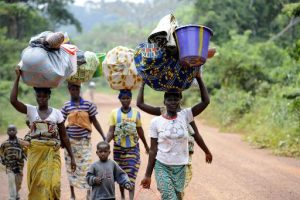







Ghana’s urban population reached 58.7% of the country’s estimated 33.7 million people in 2025, intensifying the need for investment in housing, transport, sanitation and other services to support the country’s changing demographic and economic structure.
Ghana’s urban population reached 58.7% of the country’s estimated 33.7 million people in 2025, intensifying the need for investment in housing, transport, sanitation and other services to support the country’s changing demographic and economic structure.
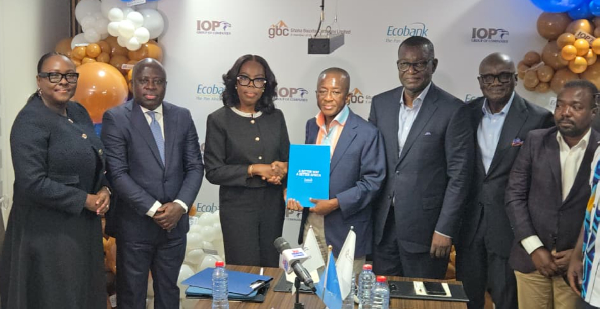
Government Statistician Dr Alhassan Iddrisu said the country’s population continued to grow alongside improvements in life expectancy, while average household size declined, reflecting changes in family structure and living arrangements.
📢 GET DETAILED ARTICLES + JOBS
Join THSB's WhatsApp Channel and never miss a post or opportunity.
The figures point to growing pressure on urban infrastructure and public services, with implications for housing demand, labour supply, consumer spending and the cost of providing essential services.

Cities as Centres of Economic Activity
With nearly six in every 10 Ghanaians living in urban areas, cities are becoming increasingly important centres of economic activity, employment and consumption.
The concentration of people in urban centres could expand markets for businesses in retail, housing, transport, healthcare, education and financial services.
However, the economic benefits will depend partly on whether infrastructure and public services can keep pace with population growth and whether urban economies can generate sufficient productive employment.
Rapid urbanisation can also increase demand for affordable housing, reliable water supply, sanitation, electricity and public transport, placing additional pressure on local government budgets and household incomes.
Life Expectancy Rises to 65 Years
Dr Iddrisu said Ghana’s population stood at 33.7 million in 2025, with average life expectancy rising to 65 years from 40 years in 1960.
The increase in life expectancy reflects a major long-term demographic shift, with potential implications for healthcare expenditure, retirement planning, pension systems and the demand for services for older people.
For businesses and policymakers, the combination of population growth, urbanisation and longer life expectancy presents both market opportunities and rising demands on public resources.
The figures suggest that economic planning will need to account not only for the size of Ghana’s population but also for where people live, how households are changing and the services they require.
As urban centres continue to attract a larger share of the population, the ability to expand infrastructure, improve productivity and create sustainable employment will be important in determining whether demographic change translates into stronger economic growth.
Key Figures at a Glance
| Indicator | Figure |
|---|---|
| Total Population (2025) | 33.7 million |
| Urban Population Share | 58.7% |
| Life Expectancy | 65 years (up from 40 in 1960) |
| Household Size | Declining |
| Key Pressure Areas | Housing, transport, sanitation, water, electricity |
| Market Opportunities | Retail, housing, transport, healthcare, education, financial services |
Source: The High Street Business

Disclaimer: Some content on The High Street Business may be aggregated, summarized, or edited from third-party sources for informational purposes. Images and media are used under fair use or royalty-free licenses. The High Street Business is a subsidiary of SamBoad Publishing under SamBoad Business Group Ltd, registered in Ghana since 2014.
For concerns or inquiries, please visit our Privacy Policy or Contact Page.

Samuel Kwame Boadu is a Ghanaian entrepreneur, writer, and digital consultant passionate about creating impactful stories and business solutions. He is the Founder & CEO of SamBoad Business Group Ltd, a dynamic company with subsidiaries in digital marketing, logistics, publishing, and risk management.