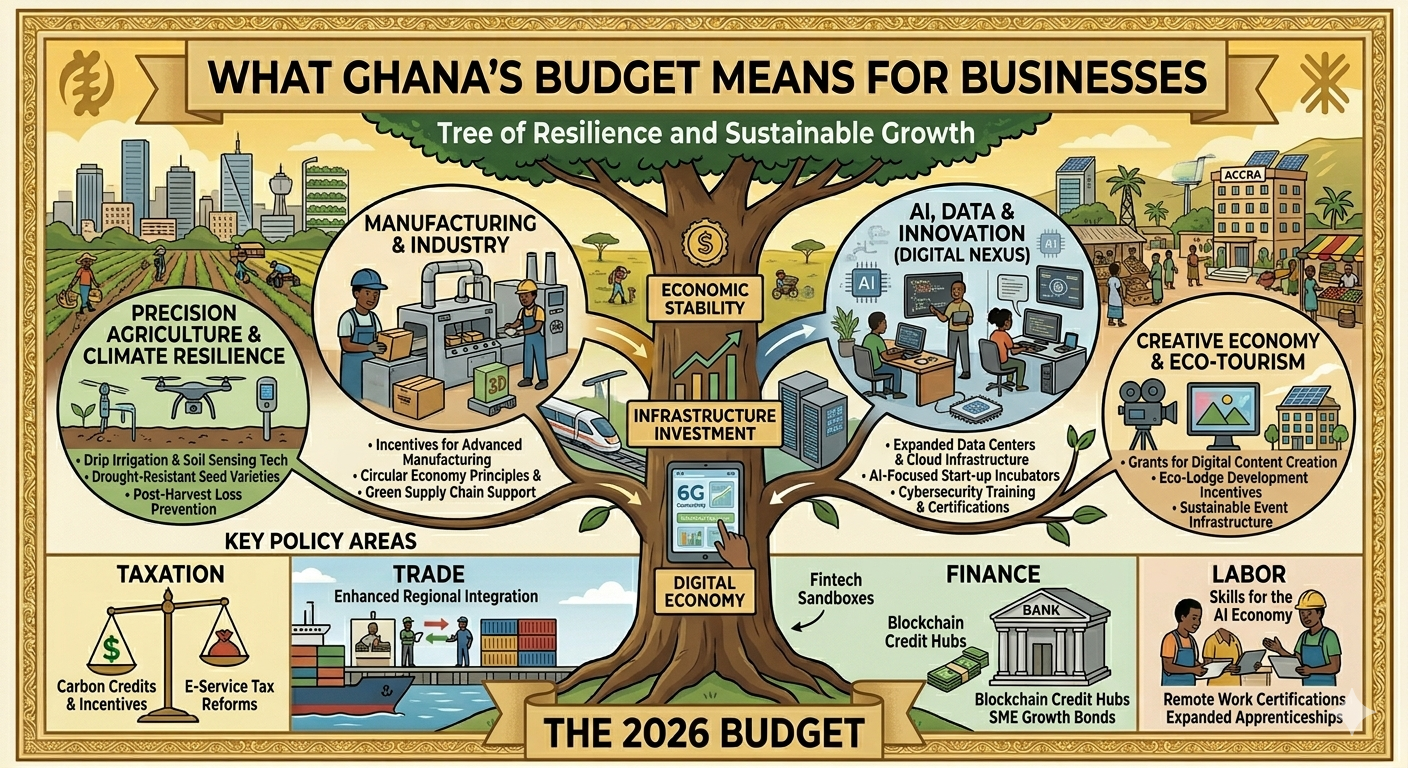




Ghana’s Growth Outlook Explained – Ghana’s growth outlook reflects a cautious but improving economic trajectory. This article breaks down what growth means, the key drivers shaping Ghana’s economy, and what it means for businesses and households.
Ghanas Growth Outlook Explained
Ghana’s economy is gradually finding its footing after a period of significant turbulence marked by high inflation, currency depreciation, and debt challenges. While the worst may be easing, the road ahead remains complex.
The country’s growth outlook: a measure of how the economy is expected to expand in the coming years, offers a window into Ghana’s future. For policymakers, businesses, and everyday citizens, understanding this outlook is crucial in making informed decisions.
📢 GET DETAILED ARTICLES + JOBS
Join THSB's WhatsApp Channel and never miss a post or opportunity.
At the heart of Ghana’s recovery efforts is a reform programme backed by the International Monetary Fund, aimed at restoring macroeconomic stability and rebuilding investor confidence.

What Does “Growth Outlook” Really Mean?
Economic growth refers to the increase in the value of goods and services produced within a country, typically measured by Gross Domestic Product (GDP). When economists talk about Ghana’s growth outlook, they are essentially forecasting how fast the economy is expected to expand over a specific period: usually one to three years.
A positive growth outlook suggests rising business activity, job creation, and improved incomes. However, growth alone does not always translate into immediate relief for households, especially if inflation remains high.
RECOMMENDED: Why Inflation Is Falling In Ghana.
Signs of Recovery in Ghana’s Economy
After a challenging period, there are emerging signs that Ghana’s economy is stabilising. Inflation, which surged to record levels in recent years, has begun to ease. The Ghanaian cedi, while still vulnerable, has shown periods of relative stability. These developments indicate that policy measures are starting to take effect.
Additionally, fiscal discipline: through reduced government spending and improved revenue collection, is helping to restore confidence in the economy. While these gains are still fragile, they form the foundation for a more stable growth trajectory.
Key Drivers of Ghana’s Growth Outlook
1. Natural Resources and Exports
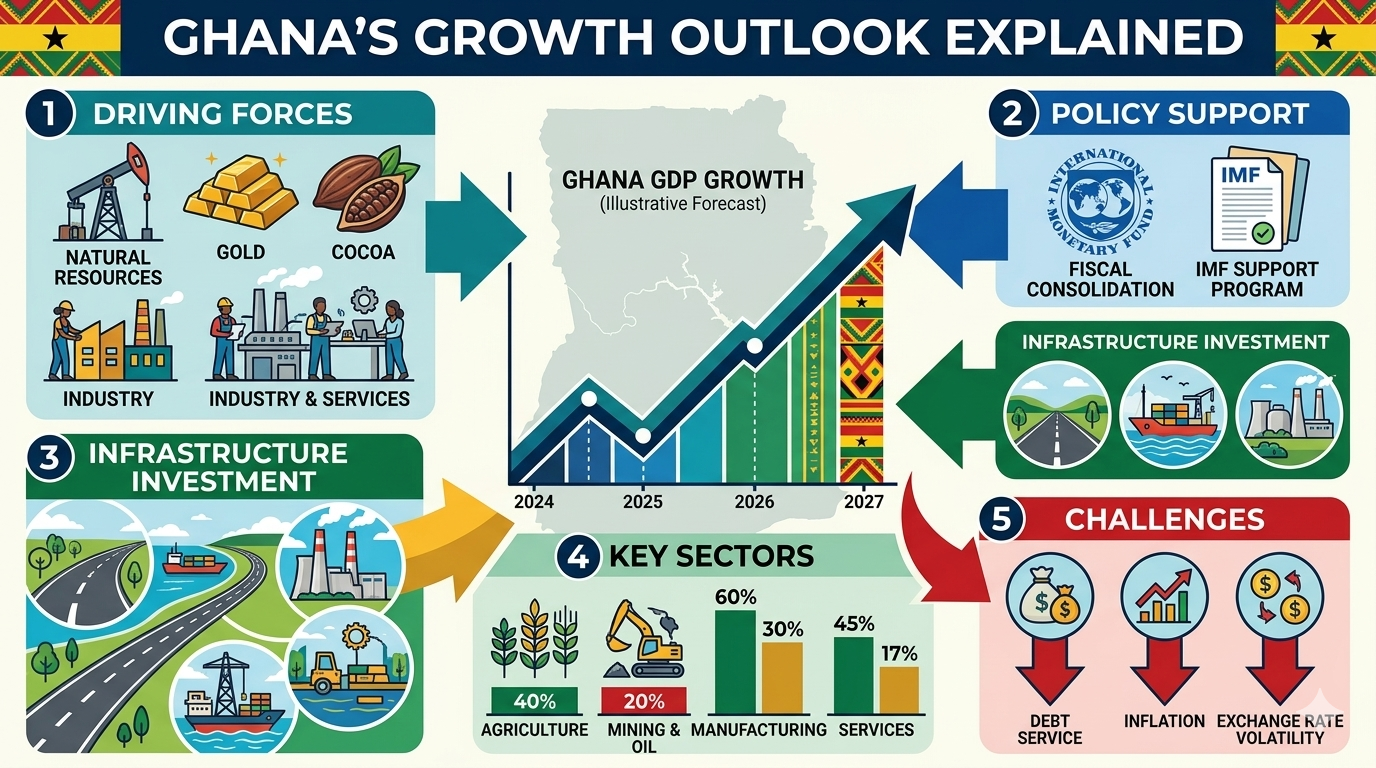
Ghana’s economy continues to rely heavily on key exports such as gold, oil, and cocoa. The performance of these commodities on the global market plays a significant role in shaping growth. High global prices can boost export revenues, strengthen the cedi, and support government finances.
However, this reliance also exposes Ghana to external shocks. A drop in commodity prices can quickly reverse gains.
2. Government Policy and Reforms
Policy direction remains one of the most important factors influencing growth. The government’s commitment to fiscal consolidation, debt restructuring, and structural reforms is central to improving economic performance. Successful implementation can unlock funding, reduce borrowing costs, and create a more stable business environment.
However, reforms must be consistent and well-communicated to maintain public trust and investor confidence.
3. Private Sector Activity
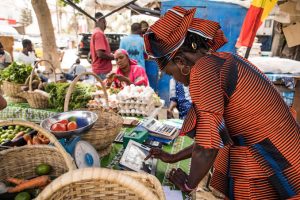
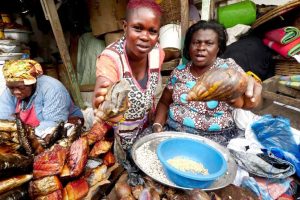
The private sector is a key engine of growth in Ghana. Small and medium-sized enterprises (SMEs), in particular, play a vital role in job creation and innovation. As economic conditions stabilise, improved access to credit and lower inflation could encourage business expansion.

However, high interest rates and cost pressures continue to limit growth for many businesses, especially in the informal sector.
4. Consumer Spending
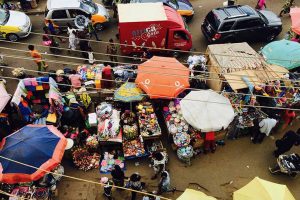
Household consumption is a major component of economic growth. When people have more disposable income, they spend more: driving demand for goods and services. But in Ghana’s current environment, high living costs have constrained spending.
As inflation declines and incomes gradually recover, consumer confidence is expected to improve, supporting overall growth.
5. Foreign Investment and Confidence
Foreign direct investment (FDI) is another critical driver. Investors are closely watching Ghana’s economic reforms and debt restructuring efforts. A stable macroeconomic environment can attract investment into sectors like energy, infrastructure, and manufacturing.
However, uncertainty or policy inconsistency can delay investment decisions, slowing growth.
Challenges That Could Slow Growth
While the outlook is improving, several risks remain.
Debt Burden
Ghana’s high public debt continues to weigh on the economy. Although restructuring efforts are ongoing, debt servicing obligations still limit government spending on development.
Global Economic Conditions
External factors such as global inflation, interest rate trends, and geopolitical tensions can influence Ghana’s growth. A slowdown in major economies could reduce demand for exports.
Cost of Doing Business
High energy costs, taxation, and financing challenges remain key concerns for businesses. Addressing these issues is essential for unlocking stronger growth.
What This Means for Businesses
For businesses in Ghana, the growth outlook presents both opportunities and caution. On one hand, stabilisation creates a more predictable environment for planning and investment. On the other hand, cost pressures and cautious consumer spending mean that businesses must remain adaptable.
Sectors such as agriculture, digital services, and manufacturing could see increased opportunities as the economy recovers and diversifies.
RELATED: Why Economic Reforms Take Time
What It Means for Everyday Ghanaians
For ordinary citizens, economic growth is most meaningful when it translates into improved living standards. A stronger economy can lead to:
- More job opportunities
- Lower inflation
- Improved public services
However, these benefits often take time to reach households. The current phase of recovery may still feel difficult for many, especially those facing high food and transport costs.
The Role of Patience and Policy Consistency
Ghana’s growth outlook is not just about numbers: it is about direction. Sustained growth requires consistent policies, strong institutions, and public trust. Sudden policy shifts or delays in reform implementation can undermine progress.
For Ghana to achieve long-term growth, stability must be maintained even when short-term pressures arise.
Conclusion: A Gradual Path Forward
Ghana’s growth outlook reflects cautious optimism. The economy is showing signs of recovery, supported by reforms and improving macroeconomic indicators. However, challenges remain, and the pace of growth will depend on both domestic policy choices and global conditions.
For businesses and households alike, the message is clear: recovery is underway, but it will take time to fully materialise. In the end, Ghana’s growth story is not about rapid transformation, it is about steady progress toward a more resilient and sustainable economy.
Source: The High Street Business
Disclaimer: Some content on The High Street Business may be aggregated, summarized, or edited from third-party sources for informational purposes. Images and media are used under fair use or royalty-free licenses. The High Street Business is a subsidiary of SamBoad Publishing under SamBoad Business Group Ltd, registered in Ghana since 2014.
For concerns or inquiries, please visit our Privacy Policy or Contact Page.

Esther Aku-Sika is a content writer and social media strategist who helps brands and startups grow through intentional storytelling and practical marketing strategies. With a keen eye for trends and audience behavior, she shares business insights, content strategies, and real-life lessons to help entrepreneurs build visibility and turn ideas into income. Through her writing, she simplifies complex concepts and equips readers with actionable steps to grow in today’s digital space.