


Key Economic Developments Shaping Ghana in 2026 – Is Ghana back on track? Discover the key economic shifts of 2026, from the 4.8% GDP growth surge to the end of the IMF program. Learn how falling inflation and debt restructuring are reshaping the “Black Star of Africa” for investors and citizens alike.
Key Economic Developments Shaping Ghana in 2026
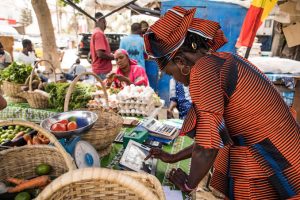
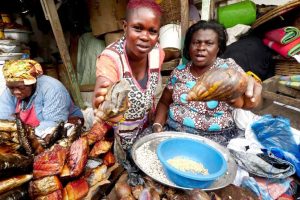
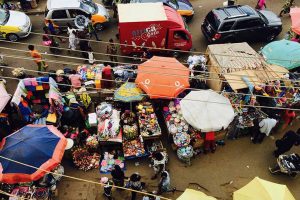
If you had asked any Ghanaian about the economy back in 2023, the response would likely have been a heavy sigh. We were weathering a perfect storm: skyrocketing prices, a devaluing Cedi, and a sense of deep uncertainty. But as we move through 2026, the atmosphere in the bustling markets of Makola and the high-rise offices of Airport City is fundamentally different. We aren’t just “getting by” anymore; there is a tangible sense that the worst is behind us and a new chapter is being written.
After a grueling period of belt-tightening, Ghana is navigating a delicate but promising transition. We’ve moved from the “emergency room” of post-crisis recovery into a phase of cautious stability. While the scars of the 2022 downturn remain, the numbers and the sentiment on the ground, are finally starting to align in our favour.
📢 GET DETAILED ARTICLES + JOBS
Join THSB's WhatsApp Channel and never miss a post or opportunity.
RELATED: Ghana Business News In 2026
1. Finding Our Rhythm: A Return to Real Growth
The most significant headline of 2026 is that Ghana is growing again, and it isn’t just “paper growth.” The IMF has projected a real GDP growth of approximately 4.8% for the year. This isn’t just a statistical rebound; it’s a reflection of factories humming back to life and the service sector finding a new gear.
This growth is being driven by a powerful mix of industry and innovation. We are seeing a massive surge in the FinTech and digital services space, with Ghana positioning itself as a regional hub for tech talent.
Additionally, the industrial sector, boosted by improved power stability and tax incentives, is finally attracting the kind of long-term investment that creates real jobs. Ghana remains one of Africa’s most diverse economies, and in 2026, that diversity is our greatest strength, acting as a shield against the volatility that often plagues one-commodity nations.
2. The Inflation “Cool Down”: Real Relief at the Checkout Counter
We all remember the “sticker shock” of 2022, when the price of basic goods like bread and fuel seemed to change every hour. Thankfully, the “inflation fever” has broken. After hitting a terrifying peak of over 50%, inflation has plummeted to a remarkably steady 3–4% in early 2026.
What does this mean for the average person?
- Predictable Pricing: For the first time in years, families can set a monthly budget and actually stick to it.
- Lower Interest Rates: With inflation under control, the Bank of Ghana has been able to ease monetary policy. This makes it cheaper for a young entrepreneur in Kumasi to take out a loan to start a business or for a family to look into mortgage options.
- Purchasing Power: The Cedi has found its footing, meaning your hard-earned money isn’t losing value the moment it hits your wallet.
However, policymakers aren’t celebrating just yet. They know that global oil prices and external shocks can be fickle. The focus now is on “anchoring” these gains so we never return to the chaos of the early 2020s.
3. Trimming the Fat: Debt and Fiscal Discipline
Let’s be honest: the Domestic Debt Exchange Programme (DDEP) was a bitter pill to swallow. It was a painful period for banks, pension funds, and individual investors who saw their wealth restructured. However, that sacrifice is yielding fruit in 2026.
By the end of 2025, Ghana’s debt-to-GDP ratio dropped sharply to roughly 45%, a massive improvement from the 60%+ levels that previously threatened to sink the economy. The government has stayed remarkably disciplined, sticking to a strict “fiscal diet” supported by the IMF. We are seeing a more streamlined public sector and a renewed focus on revenue mobilisation, meaning the government is getting better at collecting what it’s owed without stifling small businesses.
4. The IMF Exit: Walking Without Training Wheels
2026 marks a major symbolic milestone: Ghana is preparing to complete its current IMF program. Think of it as graduating from an intense, high-stakes financial bootcamp. For the past few years, the IMF framework has acted as a “straitjacket” that prevented the kind of runaway spending often seen in election cycles.
As we prepare to walk without these “training wheels,” the big question is: Can we maintain the discipline on our own? The 2026 outlook suggests that the institutional reforms made, especially in public financial management, are deep enough to keep us on the right path. It’s about proving to the global market that Ghana can be a responsible, self-sustaining economy.
5. A Tale of Two Commodities: Gold Glitters, Cocoa Recovers
Our natural resources continue to be the backbone of our export revenue, but they are telling two very different stories this year:
- The Gold Boom: Gold is once again our “shining armour.” With global uncertainties driving prices up, Ghana’s mining sector is seeing a renaissance. The recent deal involving global trader Trafigura and the Bogoso-Prestea mine is a clear signal that international giants still see Ghana as a premium destination for mining investment.
READ ALSO: $1 Billion Dollar Damang Mine Deal Under Review
- The Cocoa Crossroads: It’s been a tougher road for cocoa. While global prices have fluctuated, the government has had to make difficult decisions regarding farmgate prices to keep the sector sustainable. 2026 is the year we are seeing a massive push toward local processing. Instead of just exporting raw beans, there is a national movement to ensure more of the “chocolate value chain” stays within our borders, protecting farmers from the whims of the global market.
6. Investor Confidence and the “New” Banking Sector
The Ghanaian banking sector is finally emerging from the shadows of debt restructuring. In 2026, we are seeing banks with healthier balance sheets and a renewed appetite for lending. This “liquidity” is the lifeblood of the economy.
Foreign investors are also returning, not just for our resources, but for our stability. There is talk of Ghana re-entering international bond markets later this year, not out of desperation, but to finance strategic infrastructure projects. This shift from “crisis management” to “growth financing” is perhaps the clearest sign that the tide has turned.
7. External Risks: The Wild Cards
While the domestic picture looks bright, we don’t live in a vacuum. Ghana in 2026 is still sensitive to global “weather patterns.”
- Geopolitical Tensions: Conflicts in other parts of the world can still drive up the cost of imported fuel and fertilizer.
- Climate Change: Our agriculture sector, the employer of millions, is increasingly at the mercy of unpredictable rainfall. Investment in irrigation and climate-resilient farming is no longer a luxury; it’s a necessity for our 2026 economic strategy.
Conclusion: A Fragile but Promising Rebirth
In 2026, Ghana stands at a critical juncture. The economy is no longer in the “red zone,” but it is not yet fully shielded from future shocks. The gains we’ve made: lower inflation, a manageable debt load, and a 4.8% growth rate, are hard-won and significant.
The path forward depends on one thing: consistency. If we can sustain our fiscal discipline, continue to support our local farmers and tech innovators, and reduce our reliance on raw commodity exports, 2026 will be remembered as the year the Black Star truly began to shine again. The recovery is here; now it’s time to turn that recovery into a legacy of prosperity for every Ghanaian.
Disclaimer: Some content on The High Street Business may be aggregated, summarized, or edited from third-party sources for informational purposes. Images and media are used under fair use or royalty-free licenses. The High Street Business is a subsidiary of SamBoad Publishing under SamBoad Business Group Ltd, registered in Ghana since 2014.
For concerns or inquiries, please visit our Privacy Policy or Contact Page.

Esther Aku-Sika is a content writer and social media strategist who helps brands and startups grow through intentional storytelling and practical marketing strategies. With a keen eye for trends and audience behavior, she shares business insights, content strategies, and real-life lessons to help entrepreneurs build visibility and turn ideas into income. Through her writing, she simplifies complex concepts and equips readers with actionable steps to grow in today’s digital space.