









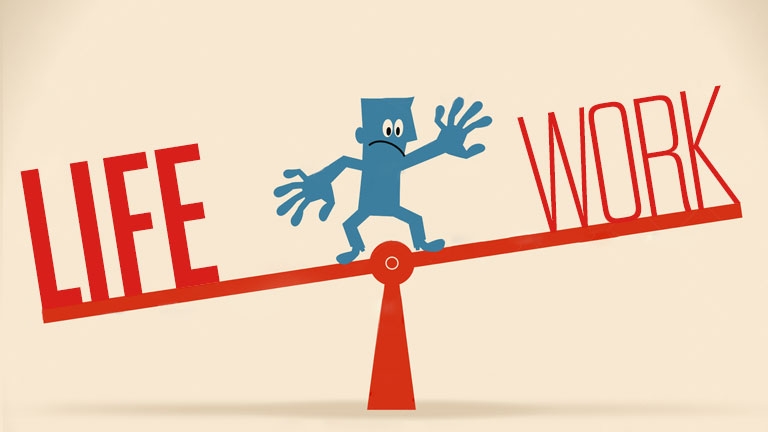
Entrepreneurship is often associated with relentless work, long hours, and constant pressure. In Ghana’s fast-moving business environment, entrepreneurs are not only responsible for building companies but also for managing teams, securing financing, responding to market shifts, and maintaining personal well-being.
Balancing professional demands with personal life has therefore become a crucial leadership skill. Successful Ghanaian entrepreneurs increasingly recognize that sustainable growth requires more than financial performance — it requires mental clarity, physical health, and strong personal relationships.
At The High Street Business, we explore how entrepreneurs across Ghana are finding practical ways to maintain balance while building thriving enterprises.
📢 GET DETAILED ARTICLES + JOBS
Join THSB's WhatsApp Channel and never miss a post or opportunity.
Understanding the Entrepreneurial Pressure
Entrepreneurs often operate under intense pressure. They face responsibilities such as:
-
Managing cash flow and financial obligations
-
Leading employees and teams
-
Navigating regulatory and tax environments
-
Competing in crowded markets
-
Building customer trust and brand reputation
These pressures can easily extend work hours far beyond the traditional workday, making it difficult to separate business responsibilities from personal life.
Without intentional balance, this pressure can lead to burnout, declining productivity, and strained relationships.
Structured Daily Routines
Many successful entrepreneurs maintain structured routines to manage both work and personal priorities.
Typical routines include:
-
Early morning planning sessions
-
Dedicated work blocks for focused tasks
-
Scheduled meetings rather than constant interruptions
-
Evening review periods to plan the next day
Structured routines help entrepreneurs control their schedules instead of reacting to constant demands.
Consistency also reduces decision fatigue and improves productivity.
Prioritizing High-Impact Work
Entrepreneurs often juggle multiple responsibilities. However, successful leaders focus on activities that create the greatest value.
This includes prioritizing:
-
Strategic planning
-
Revenue-generating activities
-
Key partnerships
-
Business development opportunities
By focusing on high-impact work, entrepreneurs avoid becoming overwhelmed by minor operational tasks.
Delegation and Team Empowerment
One of the biggest transitions for growing businesses is learning to delegate effectively.
Entrepreneurs who attempt to manage every task themselves often experience burnout. Those who empower capable teams gain more time to focus on strategy and personal well-being.
Delegation allows business owners to:
-
Reduce workload pressure
-
Develop leadership within the organization
-
Improve operational efficiency
-
Maintain healthier work schedules
Strong teams make sustainable entrepreneurship possible.
Setting Boundaries Between Work and Personal Life
Successful entrepreneurs recognize the importance of boundaries.
This may involve:
-
Establishing defined working hours
-
Limiting late-night business communication
-
Scheduling personal time with family
-
Taking regular breaks from business activities
These boundaries protect personal relationships and allow entrepreneurs to recharge.
Investing in Physical and Mental Wellness
Entrepreneurial performance is closely linked to health and well-being.
Many Ghanaian business leaders are increasingly prioritizing:
-
Regular exercise
-
Healthy nutrition
-
Adequate sleep
-
Mindfulness or relaxation practices
Physical health improves energy levels, while mental clarity enhances decision-making and leadership effectiveness.
Using Technology to Improve Efficiency
Technology has become an important tool for balancing work and life.
Digital tools help entrepreneurs:
-
Manage finances and accounting
-
Track projects and team performance
-
Communicate with staff remotely
-
Automate repetitive tasks
By improving efficiency, technology reduces the time required to manage day-to-day operations.
Maintaining Strong Personal Relationships
Entrepreneurship can sometimes create isolation if personal relationships are neglected.
Balanced entrepreneurs make time for:
-
Family engagements
-
Social interactions
-
Community involvement
-
Personal interests outside business
These relationships provide emotional support and help maintain perspective during challenging periods.
Planning for Long-Term Sustainability
Work–life balance is not just about daily routines — it is about long-term sustainability.
Entrepreneurs who prioritize balance often build businesses that can operate independently of constant oversight. This involves:
-
Creating efficient systems and processes
-
Establishing clear organizational structures
Businesses designed for sustainability allow founders to step back without compromising performance.
The Leadership Advantage of Balance
Balanced entrepreneurs often demonstrate stronger leadership qualities.
They tend to:
-
Make clearer decisions
-
Maintain emotional resilience
-
Communicate more effectively
-
Inspire healthier workplace cultures
Work–life balance therefore becomes a competitive advantage rather than a limitation.
Conclusion From ASJ
Balancing work and life remains one of the most important challenges for entrepreneurs in Ghana. The pressures of building and sustaining businesses can easily consume time and energy if not managed carefully.
However, successful entrepreneurs are increasingly adopting strategies that promote sustainable performance. Structured routines, effective delegation, healthy lifestyles, and strong personal relationships all contribute to long-term leadership effectiveness.
Ultimately, entrepreneurship should not come at the expense of personal well-being. The most resilient businesses are often built by leaders who understand that sustainable success requires balance — not constant exhaustion.
FAQs
Why is work–life balance important for entrepreneurs?
It prevents burnout, improves productivity, and supports long-term business sustainability.
How can entrepreneurs reduce workload pressure?
Delegating tasks, building strong teams, and using technology to automate operations can significantly reduce pressure.
Do successful entrepreneurs work fewer hours?
Not necessarily, but they manage time strategically and focus on high-impact activities.
What role does health play in entrepreneurship?
Physical and mental wellness improve energy, focus, and leadership effectiveness.
Can work–life balance improve business performance?
Yes. Entrepreneurs who maintain balance often make better decisions and lead more productive teams.
Source: Accra Street Journal
Disclaimer: Some content on The High Street Business may be aggregated, summarized, or edited from third-party sources for informational purposes. Images and media are used under fair use or royalty-free licenses. The High Street Business is a subsidiary of SamBoad Publishing under SamBoad Business Group Ltd, registered in Ghana since 2014.
For concerns or inquiries, please visit our Privacy Policy or Contact Page.

Samuel Kwame Boadu is a Ghanaian entrepreneur, writer, and digital consultant passionate about creating impactful stories and business solutions. He is the Founder & CEO of SamBoad Business Group Ltd, a dynamic company with subsidiaries in digital marketing, logistics, publishing, and risk management.