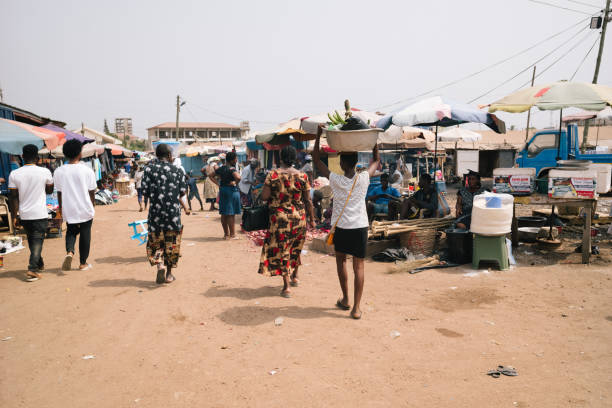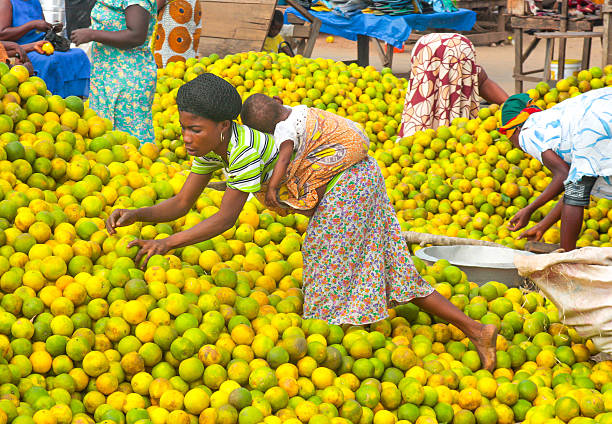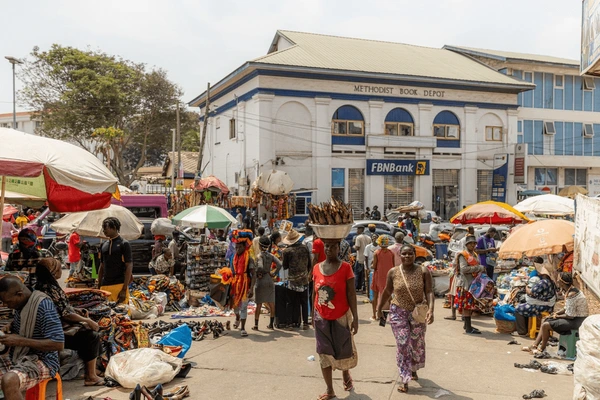




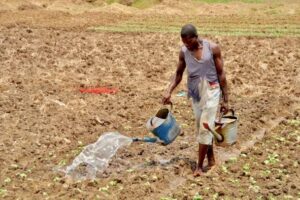



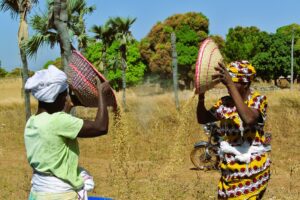

Ghana’s agricultural sector has long played a central role in the country’s economy, but its export potential extends far beyond traditional commodities. As global demand for tropical produce, organic foods, and ethically sourced agricultural products continues to grow, Ghana is well positioned to expand its agro-export footprint.
From fresh fruits and processed foods to spices and specialty crops, agro-exports offer foreign exchange earnings, job creation, and value-chain development. This editorial by The High Street Business explores agro-export opportunities from Ghana to global markets, highlighting key products, target markets, requirements, and strategic challenges.
Overview of Ghana’s Agro-Export Landscape
Ghana has an established reputation as an agricultural exporter, especially in cocoa. However, non-traditional agricultural exports are gaining prominence, supported by improved logistics, trade agreements, and private sector investment.
📢 GET A DETAILED ARTICLES + JOBS
Join SamBoad's WhatsApp Channel and never miss a post or opportunity.
Agro-exports now include:
-
Fresh and processed fruits
-
Nuts and oilseeds
-
Root and tuber products
-
Spices and herbs
-
Horticultural products
Diversification remains a key growth objective.
Why Agro-Exports Are a Strategic Opportunity for Ghana
Agro-exports offer multiple benefits:
-
Access to high-value international markets
-
Foreign exchange earnings
-
Employment creation
-
Reduced reliance on raw commodity exports
With rising global interest in sustainable and traceable food supply chains, Ghana has a competitive advantage.
Key Agro-Export Products from Ghana
1. Cocoa and Cocoa Products
Cocoa remains Ghana’s flagship export.
-
Beans, butter, liquor, and powder
-
Strong demand in Europe, Asia, and North America
-
Growing opportunities for semi-processed exports
2. Fresh Fruits
Ghana exports a variety of tropical fruits.
-
Pineapple
-
Mango
-
Banana
-
Papaya
Fresh fruit exports target Europe and the Middle East, where demand for tropical produce is high.
3. Cashew Nuts
Cashew production has grown significantly.
-
Raw cashew nut exports dominate
-
Processing offers higher margins
-
Strong demand from Asia and Europe
Local processing remains a major opportunity.
4. Shea Nuts and Shea Butter
Shea products are widely used in cosmetics and food industries.
-
Exported mainly to Europe and Asia
-
High potential for women-led enterprises
5. Horticultural and Exotic Vegetables
Vegetables such as chili peppers and okra are exported to diaspora markets.
-
Niche but profitable
-
Requires strict quality control
-
Strong diaspora demand in Europe and North America
6. Spices and Herbs
Ginger, turmeric, and chili pepper exports are growing.
-
Rising global interest in natural spices
-
Opportunities for organic certification
-
Value addition through processing and packaging
7. Processed Agricultural Products
Processed foods offer higher returns.
-
Dried fruits
-
Fruit juices
-
Cassava-based products
-
Palm oil derivatives
Processing reduces post-harvest losses and improves shelf life.
Major Export Markets for Ghanaian Agro-Products
Europe
-
High standards and premium pricing
-
Strong demand for organic and fair-trade products
North America
-
Large diaspora markets
-
Demand for ethnic foods
Middle East
-
Growing food imports
-
Strong demand for fruits and vegetables
Asia
-
Key market for cocoa, cashew, and raw materials
Market diversification reduces risk.
Export Requirements and Standards
Meeting export standards is critical.
Key Requirements Include:
-
Product quality and grading
-
Food safety and traceability
-
Packaging and labelling
-
Phytosanitary certification
-
Compliance with importing country regulations
Failure to meet standards can result in rejected shipments.
Role of Value Addition in Agro-Exports
Exporting raw produce yields lower returns.
Value addition through:
-
Processing
-
Packaging
-
Branding
-
Certification
significantly improves export earnings and competitiveness.
Logistics and Infrastructure Considerations
Efficient logistics are essential.
Key considerations:
-
Cold chain infrastructure
-
Transport to ports
-
Storage facilities
-
Export documentation
Improved logistics reduce losses and delays.
Challenges Facing Agro-Exporters in Ghana
Despite opportunities, exporters face challenges.
-
High production costs
-
Limited access to finance
-
Inconsistent supply volumes
-
Infrastructure gaps
Addressing these challenges requires coordinated action.
How Entrepreneurs Can Enter the Agro-Export Business
Steps to consider:
-
Identify export-ready products
-
Understand target market requirements
-
Partner with aggregators or exporters
-
Start with small volumes
-
Invest in quality control
Gradual entry reduces risk.
Support Systems and Trade Facilitation
Exporters benefit from:
-
Trade promotion institutions
-
Export financing schemes
-
Capacity-building programmes
-
Trade fairs and buyer missions
Knowledge of export procedures improves success rates.
Profitability Outlook
Agro-export profitability depends on:
-
Product choice
-
Level of processing
Processed and certified products generally offer higher margins.
The Future of Agro-Exports from Ghana
As global food systems evolve, demand for sustainable, traceable, and ethically sourced products will grow. Ghana’s ability to adapt, add value, and maintain quality will determine its agro-export success.
Agro-exports are not only about earning foreign exchange — they are about building resilient agribusiness value chains.
Frequently Asked Questions (FAQs)
What agricultural products does Ghana export?
Ghana exports cocoa, fruits, nuts, shea products, spices, and processed agricultural goods.
Which markets are best for Ghanaian agro-exports?
Europe, North America, the Middle East, and Asia offer strong demand.
Is certification required for agro-exports?
Yes. Many markets require food safety, organic, or fair-trade certification.
Can small businesses engage in agro-exports?
Yes. Small businesses can start through aggregation, processing, or niche markets.
What is the biggest challenge in agro-exports?
Meeting international quality and compliance standards consistently.
Source: The High Street Business
Disclaimer: Some content on The High Street Business may be aggregated, summarized, or edited from third-party sources for informational purposes. Images and media are used under fair use or royalty-free licenses. The High Street Business is a subsidiary of SamBoad Publishing under SamBoad Business Group Ltd, registered in Ghana since 2014.
For concerns or inquiries, please visit our Privacy Policy or Contact Page.