



Côte d’Ivoire has officially maintained its cocoa farmgate price at 2,800 CFA francs (approximately GH¢3,600) per 64kg bag, resisting downward pressure from the global market slump.
The decision, announced on Monday, February 16, 2026, by the Coffee-Cocoa Council (CCC), contrasts sharply with neighbouring Ghana, which recently implemented a 28.6% reduction in its producer price in response to falling international prices and domestic liquidity constraints.
Ivorian authorities confirmed that the farmgate price will remain unchanged until March 31, 2026, signaling a firm commitment to shielding farmers from global volatility.
📢 GET A DETAILED ARTICLES + JOBS
Join SamBoad's WhatsApp Channel and never miss a post or opportunity.
The Ivorian Ultimatum: Full Payment or Legal Sanctions
The CCC’s announcement went beyond price confirmation. It issued a stern warning to licensed buyers, reiterating that full payment for delivered cocoa must be made within one month.
The regulator warned that any operator who fails to comply with the guaranteed minimum price or payment timeline would face strict legal sanctions.
“The Coffee-Cocoa Council invites coffee-cocoa producers to report all cases of non-compliance with the guaranteed minimum price and/or delays in payment… so that offenders suffer the rigour of the law,” the statement said.
The move underscores Abidjan’s intent to maintain discipline within its cocoa marketing system while protecting farmer incomes.
The Great Cocoa Divergence: Ghana vs. Côte d’Ivoire
The timing of Côte d’Ivoire’s announcement places added pressure on the Ghana Cocoa Board (COCOBOD).
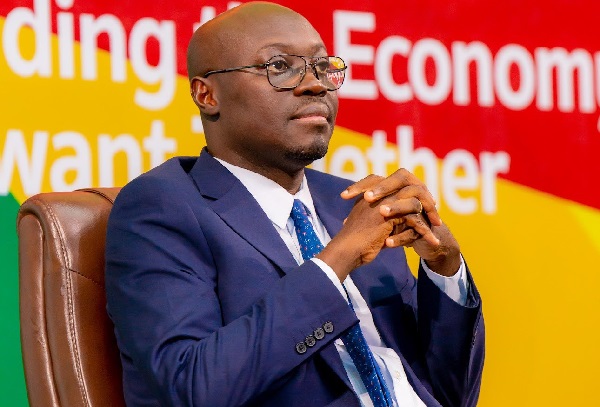
On February 12, 2026, Ghana’s Finance Minister, Cassiel Ato Forson, announced a significant downward revision of Ghana’s producer price—from GH¢3,625 to GH¢2,587 per bag—in what officials described as a necessary reset to stabilise the sector.
Global cocoa prices have fallen sharply from about $7,200 per tonne to roughly $4,100 per tonne, compressing export revenues and straining forward sales commitments.
Ghana’s price cut was framed as a response to mounting financial stress within COCOBOD, including:
-
A liquidity crunch that left some farmers unpaid since November 2025
-
Increased debt servicing obligations
In contrast, Côte d’Ivoire appears prepared to absorb short-term volatility to maintain price stability for farmers, particularly amid sensitive domestic political and economic considerations.
Smuggling Risks Rise Amid GH¢1,000 Price Gap
Security analysts and industry experts warn that the nearly GH¢1,000 price gap per bag between the two countries presents significant smuggling risks.
With Ivorian prices now markedly higher, there is concern that Ghanaian cocoa beans could be illegally transported across the border into Ivorian regions such as Léraba and Indénié-Djuablin.
Historically, cross-border cocoa smuggling has surged whenever price differentials widen, undermining production data accuracy, export projections, and government revenues.
The divergence in pricing strategies therefore introduces not only economic tension but also enforcement and border security challenges.
A Test of Policy Models
The unfolding situation highlights two contrasting policy approaches among the world’s top cocoa producers:
-
Ghana: Adjusting prices downward to reflect global market realities and restore financial sustainability.
-
Côte d’Ivoire: Maintaining farmer prices and tightening regulatory oversight to ensure payment compliance.
How long each country can sustain its current strategy will depend heavily on global price recovery, currency stability, and domestic fiscal strength.
For now, the cocoa market in West Africa faces heightened uncertainty, with implications for farmer incomes, cross-border trade, and the long-term stability of the sector.
Disclaimer: Some content on The High Street Business may be aggregated, summarized, or edited from third-party sources for informational purposes. Images and media are used under fair use or royalty-free licenses. The High Street Business is a subsidiary of SamBoad Publishing under SamBoad Business Group Ltd, registered in Ghana since 2014.
For concerns or inquiries, please visit our Privacy Policy or Contact Page.

Samuel Kwame Boadu is a Ghanaian entrepreneur, writer, and digital consultant passionate about creating impactful stories and business solutions. He is the Founder & CEO of SamBoad Business Group Ltd, a dynamic company with subsidiaries in digital marketing, logistics, publishing, and risk management.