








Introduction
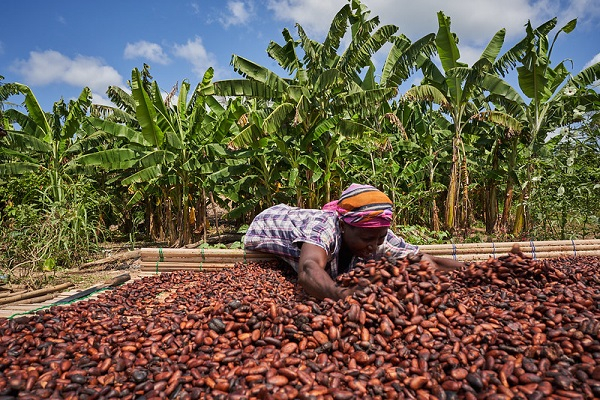
Cocoa shortages have dominated commodity headlines in recent years, especially as production declines in major growing regions such as Ghana and Ivory Coast. While shortages often signal trouble for manufacturers and consumers, they can create strong opportunities for one group in particular — speculators.
In commodity markets, scarcity often drives volatility. And volatility is precisely what speculators seek.
At The High Street Business, we examine why cocoa shortages tend to benefit speculators, how the futures market reacts, and what this means for producing countries like Ghana.
📢 GET A DETAILED ARTICLES + JOBS
Join SamBoad's WhatsApp Channel and never miss a post or opportunity.
1. Shortage Means Higher Prices
The basic economic principle is simple: when supply falls and demand remains steady, prices rise.
Cocoa shortages can occur due to:
-
Poor weather conditions
-
Crop disease outbreaks
-
Aging farms and low productivity
-
Smuggling and supply chain disruptions
-
Financing constraints within institutions like Ghana Cocoa Board
When global production declines, cocoa futures prices often spike sharply. Speculators who anticipate or quickly respond to these shortages can buy contracts early and sell at higher prices.
2. Volatility Creates Trading Opportunities
Speculators do not need long-term stability. They need price movement.
Cocoa shortages typically create:
-
Rapid price rallies
-
Sharp daily swings
-
Uncertainty-driven market reactions
This volatility allows traders to profit from short-term movements rather than long-term ownership of cocoa beans.
For example, if weather forecasts predict a weak harvest in West Africa, cocoa futures can rise within days — even before actual supply numbers confirm the shortfall.
3. Futures Markets Amplify Expectations
Most speculative trading happens in futures markets rather than in physical cocoa trade.
When traders expect shortages:
-
They buy cocoa futures contracts.
-
Prices climb further due to increased demand for contracts.
-
Momentum attracts more traders.
-
Prices may overshoot actual supply fundamentals.
This cycle can push cocoa prices far above production costs — creating profitable exit points for early speculators.
4. Currency Effects Boost Gains
Cocoa is priced internationally in US dollars. When shortages push prices higher:
-
Dollar-denominated gains benefit global traders.
-
Currency volatility in producing countries can widen margins.
For countries like Ghana, this dynamic is complex. While higher prices can increase export revenue potential, internal pricing mechanisms may delay or soften benefits reaching farmers.
Speculators, however, operate globally and respond instantly to international price movements.
5. Manufacturers Hedge — Speculators Ride the Wave
Chocolate manufacturers hedge against rising cocoa prices to protect profit margins. Speculators often take the opposite side of those trades.
In shortage periods:
-
Hedging demand increases.
-
Futures volume rises.
-
Price premiums widen.
Speculators provide liquidity — but they also amplify price trends.
6. Structural Supply Weakness Encourages Long Positions
Cocoa shortages are not always short-term shocks. Structural issues such as:
-
Aging cocoa trees
-
Limited access to fertilizer
-
Farm financing constraints
-
Climate variability
These long-term supply weaknesses encourage speculators to hold longer “bullish” positions, expecting sustained higher prices.
If production recovery is slow, the price rally may last months — even years.
7. Risk: Shortages Can Reverse
While cocoa shortages create opportunity, they also carry risk:
-
Government interventions may stabilise markets.
-
Better-than-expected harvests can trigger sudden price drops.
-
Demand destruction (consumers buying less chocolate) can cool prices.
-
Large producers may adjust export strategies.
Speculators profit only if they time entry and exit correctly.
8. Impact on Ghana
For Ghana:
-
Higher global cocoa prices can support foreign exchange earnings.
-
However, liquidity challenges and pricing policies influence how much farmers benefit.
A cocoa shortage can benefit traders in New York or London more quickly than farmers in the Western or Ashanti regions.
This imbalance fuels debate about commodity pricing fairness and value chain distribution.
Conclusion From THSB
Cocoa shortages are painful for supply chains and worrying for chocolate manufacturers. But for speculators, shortages create the perfect conditions: scarcity, volatility, momentum, and global attention.
In commodity markets, uncertainty is opportunity.
For Ghana and other producing nations, the key question is not whether speculators profit — but how to structure policies so that farmers and national economies capture more value when global prices surge.
FAQs
Why do shortages increase cocoa prices?
Because reduced supply combined with steady demand creates upward price pressure.
Do speculators cause shortages?
No. Shortages are caused by production issues, but speculative trading can amplify price movements.
Is speculation harmful?
Speculation provides liquidity to markets, but excessive speculation can increase volatility.
Do Ghanaian farmers benefit from shortages?
Not always directly. Farmgate prices depend on regulatory and export frameworks.
Can cocoa prices fall even during shortages?
Yes, if demand weakens or if markets believe the shortage is temporary.
Source: The High Street Business
Disclaimer: Some content on The High Street Business may be aggregated, summarized, or edited from third-party sources for informational purposes. Images and media are used under fair use or royalty-free licenses. The High Street Business is a subsidiary of SamBoad Publishing under SamBoad Business Group Ltd, registered in Ghana since 2014.
For concerns or inquiries, please visit our Privacy Policy or Contact Page.