








Ghana is a country blessed with fertile soil, favourable weather patterns, and a proud agricultural heritage. Yet food inflation remains one of the biggest threats to the economy, household welfare, and national stability. Even in years of good harvests, food prices tend to rise sharply, contributing disproportionately to overall inflation. Recent reports highlight that insufficient food consumption surged by 5.77% in July 2024 — a troubling indication of worsening food insecurity.
Several forces drive this persistent challenge: high inflation, a weakening cedi, soaring fuel prices, and the rising cost of agricultural inputs. These pressures have pushed up the prices of staple foods such as maize, rice, yam, and tomatoes. Moreover, a severe drought affected more than 928,000 farmers, putting the country’s food system under strain and worsening supply shortages.
Recognizing the looming crisis, the government has sought international support, including a US$500 million World Bank facility aimed at strengthening food security. Yet even with these interventions, the fundamental question remains: Why does Ghana, with its vast arable land, still struggle to stabilize food prices?
📢 GET A DETAILED ARTICLES + JOBS
Join SamBoad's WhatsApp Channel and never miss a post or opportunity.
A closer look reveals that the issue is not only climate-related — it is structural. Ghana has not fully leveraged the unique agricultural potential of each region. The country’s old farming calendar, which relies heavily on rainfall and generalized nationwide planting seasons, no longer suits modern realities. To break the cycle of food shortages and inflation, Ghana must embrace a new model: regional crop specialization backed by year-round farming and data-driven decision-making.
Unlocking Ghana’s Regional Agricultural Potential
Ghana’s regions are not uniform. Each has natural strengths shaped by climate, soil type, water availability, and vegetation. Yet national food production continues to operate under a one-size-fits-all approach, limiting efficiency and productivity.
Here’s what the country is missing:
-
Northern regions have vast savannah lands ideal for grains, cereals, legumes, and livestock. With irrigation, they could become Ghana’s staple food hub all year.
-
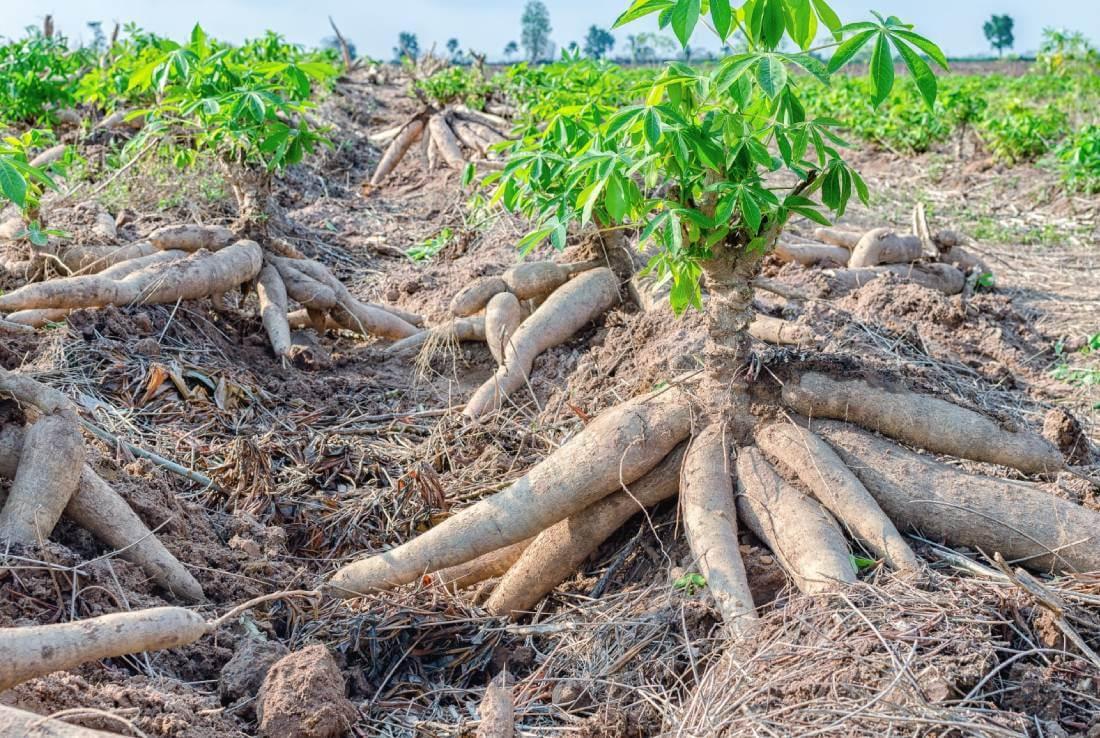
Forest regions like Ashanti, Eastern, and Western are perfect for plantain, cocoyam, cassava, and cash crops such as cocoa and oil palm.
-
Coastal zones including Central, Greater Accra, and Volta are suitable for vegetables, fisheries, and short-season crops due to humidity and proximity to water.
-
Transition zones have some of the most versatile climates for mixed farming systems.
But without intentional regional specialization, Ghana regularly produces excess in one season and shortages in another. For example, tomatoes from the north flood the market during the harvesting season, causing prices to crash — only for prices to triple when the season ends.
This outdated cycle contributes massively to inflation, food waste, and dependency on imports.

A Year-Round, Region-Specific Agricultural Model
The solution is not complicated — but it requires bold leadership and an organized agricultural system. A year-round, region-specific farming calendar based on comparative advantage can transform Ghana’s food economy.
1. Mapping Regional Strengths With Scientific Precision
Ghana needs a comprehensive soil and climate mapping system that tells farmers what to grow, where, and when.
This includes:
-
Real-time soil fertility data
-
Weather pattern analysis
-
Irrigation potential assessment
-
Crop adaptability profiling
With this information, farmers can shift from guesswork to precision farming.
2. Coordinated Seasonal Collaboration Across Regions
If one region produces maize during its peak season, another can begin planting shortly after, ensuring no national food supply gaps.
A coordinated system allows:
-
A continuous pipeline of food
-
Stable prices
-
Reduced reliance on expensive imports
Such collaboration must be led by the Ministry of Food and Agriculture, supported by district-level agricultural extension units.
3. Climate-Resilient Farming
Ghana must aggressively invest in:
-
Irrigation systems
-
Drought-resistant seeds
-
Flood-resistant crop varieties
-
Water-harvesting technologies
Reliance on rainfall is no longer sustainable in a changing climate. Irrigation alone can increase productivity by over 50% in drought-prone areas.
4. Technology and Data as the New Farming Tools
Mobile apps and digital platforms can deliver:
-
Real-time planting schedules
-
Rain forecasts
-
Pest infestation alerts
-
Fertilizer recommendations
-
Market price updates
Countries like Kenya and India have successfully implemented such systems — Ghana can too.

Why Comparative Advantage Is the Game-Changer
Applying the economic principle of comparative advantage in agriculture means each region grows what it can produce more efficiently than others, with the lowest opportunity cost.
If Ghana adopts this approach:
-
Food output will rise
-
Production costs will fall
-
Prices will stabilize
-
Imports will decline
-
Export potential will grow
Farmers will earn more, while consumers enjoy price stability — a win-win for the economy.
Imagine:
-
Northern Ghana becoming the maize, millet, and sorghum powerhouse
-
Bono and Ashanti leading in plantain and root crops
-
Volta dominating vegetable production
-
Western Region driving cocoa and palm sectors year-round
This structured system would transform Ghana into a regional food supply leader.
The Bigger Picture: Jobs, Productivity, and Economic Stability
This strategy is not only about availability — it is about economic transformation.
Year-round farming means:
-
More jobs across the value chain
-
Higher farmer incomes
-
Greater productivity per acre
-
Stable national food reserves
-
Reduced volatility in food prices
-
Lower inflationary pressure
Ghana spends billions importing food items that can be grown locally. By producing continuously across regions, the nation can finally reduce its food import bill.
Shifting the National Mindset
The biggest challenge is not technology or land — it is mindset.
For decades, Ghanaian agriculture has been reactive rather than strategic. Farmers plant because the rains have come, not because national demand requires it. Policymakers focus on subsidies rather than structural reforms. Consumers brace for seasonal food shortages as if they are normal.
But Ghana’s weather patterns, even with climate challenges, still offer enough opportunity for year-round food production if regions specialize strategically.
It is time to stop seeing weather conditions as obstacles and start viewing them as guides for smarter farming.
Conclusion: A Bold Vision for a Food-Secure Ghana
Ghana stands at a turning point. Food inflation can no longer be treated as a seasonal inconvenience. It is an economic emergency that demands innovation, coordination, and strategic action.
A regional, data-driven agricultural model grounded in comparative advantage offers a clear path forward. With investment, leadership, and collaboration across ministries, research institutions, farmers, and private sector players, Ghana can:
-
Stabilize prices
-
Reduce imports
-
Create jobs
-
Strengthen food security
-
Build a resilient agriculture-driven economy
The potential is there — the question is whether Ghana is ready to embrace a new way of farming.
FAQs
1. Why is food inflation so high in Ghana?
Food inflation is driven by rising input costs, weak currency performance, climate shocks, inefficient farming systems, and seasonal production cycles that create inconsistent supply.
2. How can regional crop specialization reduce food prices?
When each region focuses on crops it grows most efficiently, overall production increases, reducing shortages and stabilizing prices.
3. What is comparative advantage in agriculture?
Comparative advantage means producing crops at the lowest opportunity cost relative to other regions, maximizing efficiency and output.
4. How will year-round farming work in Ghana?
By using climate data, irrigation, and regional collaboration, different areas can plant and harvest continuously throughout the year.
5. What role does technology play in modern farming?
Technology provides real-time weather data, planting recommendations, pest alerts, and price information — helping farmers make informed, timely decisions.
Source: Accra Street Journal
Disclaimer: Some content on The High Street Business may be aggregated, summarized, or edited from third-party sources for informational purposes. Images and media are used under fair use or royalty-free licenses. The High Street Business is a subsidiary of SamBoad Publishing under SamBoad Business Group Ltd, registered in Ghana since 2014.
For concerns or inquiries, please visit our Privacy Policy or Contact Page.