

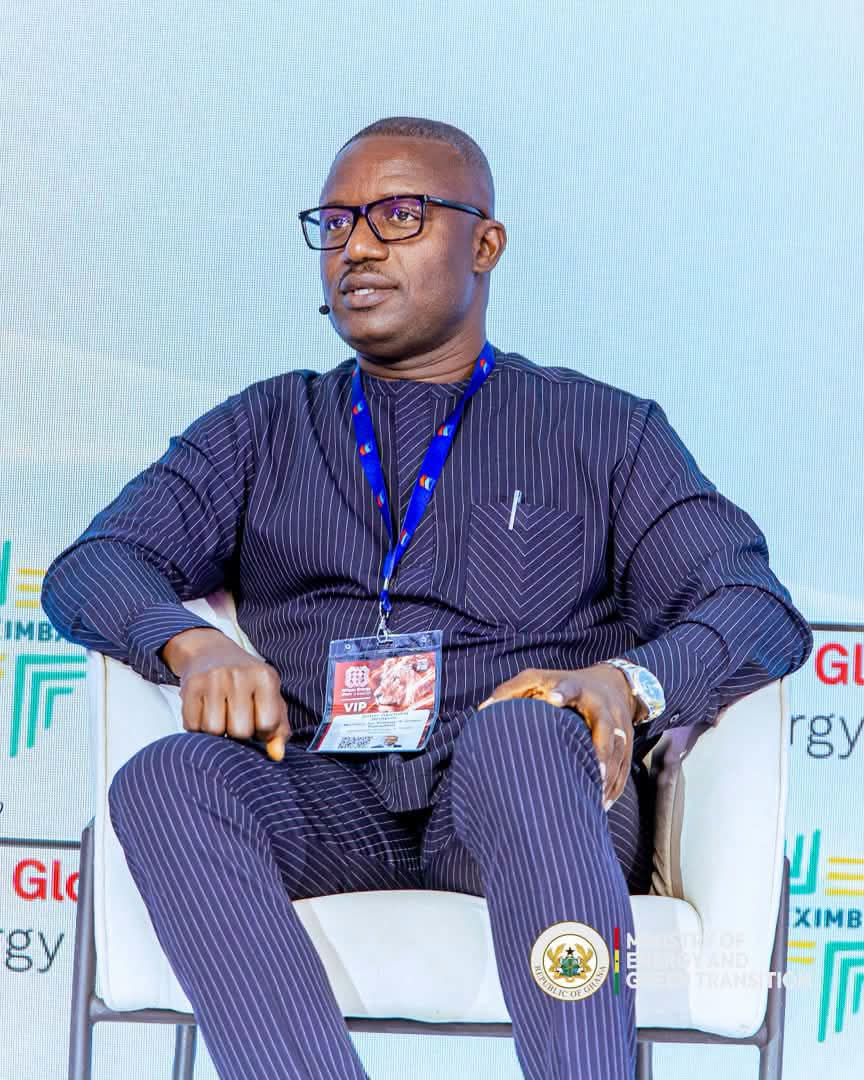

Energy Minister John Abdulai Jinapor says domestic gas development, regional cooperation and renewable energy expansion are critical to strengthening Africa’s energy resilience.
Ghana’s Minister for Energy and Green Transition, John Abdulai Jinapor, has called for a balanced approach to natural gas development in Africa, urging countries to prioritise domestic energy needs while pursuing export opportunities.
Jinapor made the remarks during a ministerial panel organised by the Gas Exporting Countries Forum (GECF) and the African Energy Chamber (AEC) Strategic Forum at African Energy Week 2026, where policymakers and industry stakeholders discussed how the continent could reconcile domestic natural gas utilisation with export ambitions.
📢 GET DETAILED ARTICLES + JOBS
Join THSB's WhatsApp Channel and never miss a post or opportunity.
The discussions come amid concerns about global energy disruptions and the need for African countries to strengthen their energy security while maximising the economic benefits of their natural resources.

Gas key to Ghana’s energy security
Addressing the forum, Jinapor highlighted the importance of connecting upstream gas development to electricity generation, industrial competitiveness and regional energy integration.
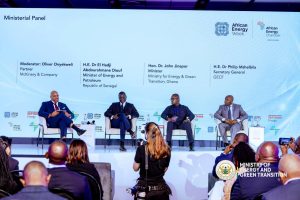
He said natural gas remained central to Ghana’s power generation and energy security, noting that increased gas availability to thermal power plants had reduced the country’s reliance on liquid fuels.
For Ghana, the development of reliable gas supplies is important to supporting electricity generation, reducing exposure to fuel-market volatility and providing a more stable energy base for industrial growth.
Jinapor’s remarks underscore the government’s position that natural gas can serve as a strategic resource in supporting economic development while the country advances its broader green transition agenda.
Regional cooperation to strengthen Africa’s energy resilience
The minister also stressed the need for African countries to develop domestic resources and expand regional cooperation to reduce their vulnerability to external energy shocks.
He argued that stronger collaboration among gas-producing and gas-consuming countries would be essential to improving the continent’s collective energy security.
Jinapor pointed to regional infrastructure, including the West African Gas Pipeline, as an opportunity to expand cross-border gas trade, improve market integration and generate shared economic benefits.
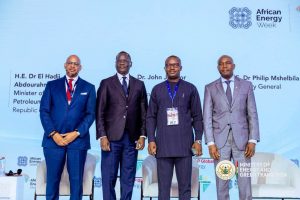
The pipeline provides a framework for transporting natural gas across participating West African countries, linking producers and consumers and supporting regional energy cooperation.

Greater integration, he suggested, could help countries improve access to energy resources while creating opportunities for trade, investment and industrial development.
Balancing gas exports with domestic demand
Africa holds significant natural gas resources, but countries across the continent face the challenge of deciding how much gas to allocate to domestic industries and electricity generation and how much to export to international markets.
Exports can generate revenue, attract investment and strengthen economic ties with international markets. However, insufficient domestic supply can undermine electricity generation, industrial expansion and broader development objectives.
The challenge, therefore, is to establish policies and infrastructure that allow countries to benefit from export markets without compromising their domestic energy requirements.
Jinapor’s intervention at the forum placed emphasis on linking gas production to the wider economic needs of African countries, particularly reliable electricity, industrial competitiveness and regional cooperation.
Green transition remains part of Ghana’s strategy
Despite emphasising the role of natural gas, Jinapor said Ghana remained committed to a pragmatic energy strategy that combines reliable power generation with the expansion of renewable energy and other sustainable solutions.
He said the government would continue to leverage natural gas to support electricity supply while accelerating the deployment of renewable energy.
The approach reflects the challenge facing many African economies: meeting growing electricity demand and supporting industrialisation while pursuing long-term environmental and climate objectives.
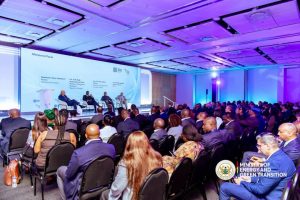
For Ghana, the policy challenge will be to ensure that gas investments support energy reliability and economic development without slowing the transition towards cleaner energy sources.
Jinapor’s participation in the African Energy Week discussions highlights the importance of coordinated energy policies, cross-border infrastructure and investment in both conventional and renewable energy as African countries seek to strengthen energy security in an increasingly uncertain global market.
Disclaimer: Some content on The High Street Business may be aggregated, summarized, or edited from third-party sources for informational purposes. Images and media are used under fair use or royalty-free licenses. The High Street Business is a subsidiary of SamBoad Publishing under SamBoad Business Group Ltd, registered in Ghana since 2014.
For concerns or inquiries, please visit our Privacy Policy or Contact Page.

Samuel Kwame Boadu is a Ghanaian entrepreneur, writer, and digital consultant passionate about creating impactful stories and business solutions. He is the Founder & CEO of SamBoad Business Group Ltd, a dynamic company with subsidiaries in digital marketing, logistics, publishing, and risk management.