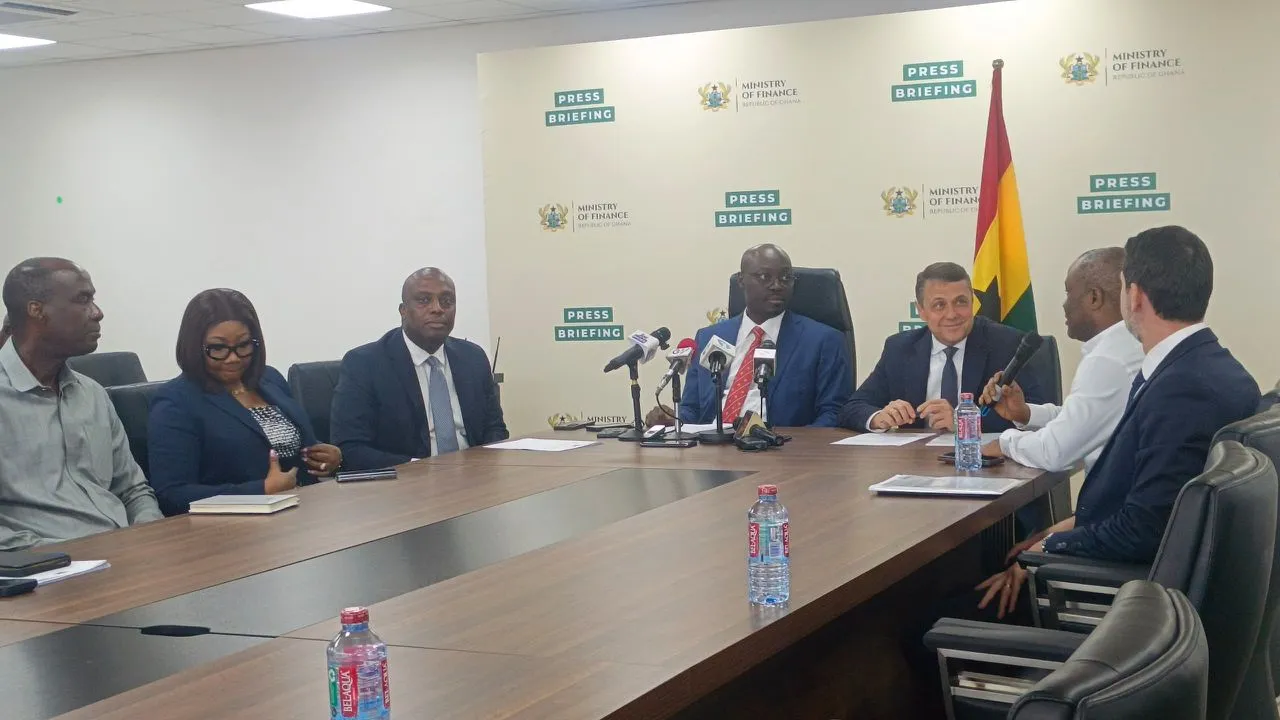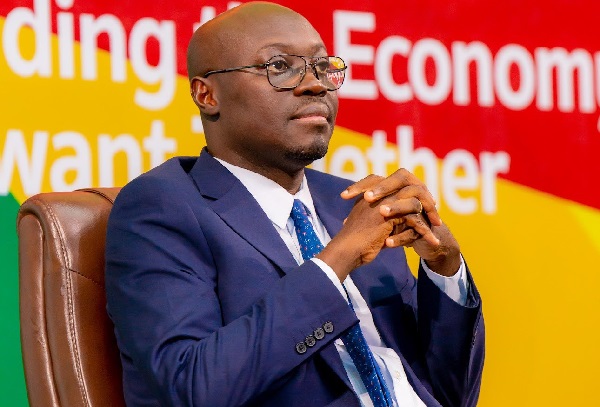






Ghana’s economy grew by 7.2% in Q3 2024, driven by Industry (10.4%) and ICT (17.1%), despite challenges in Fishing (-21.7%) and Cocoa (-26%)
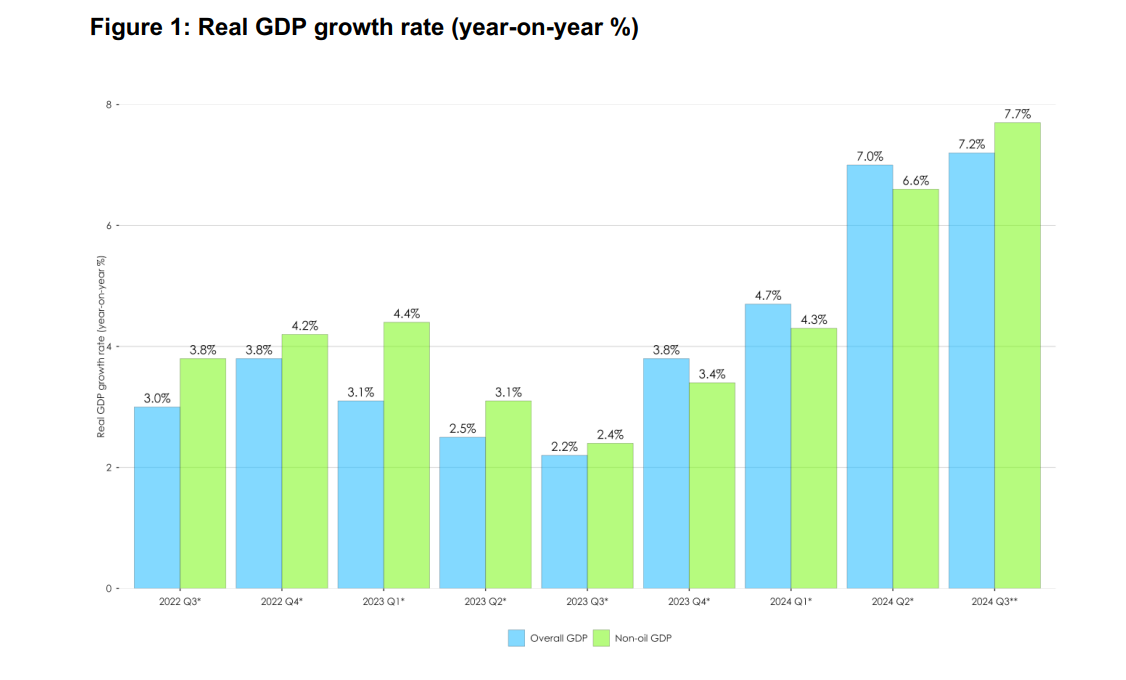
Ghana’s economy has delivered a performance perhaps worth celebrating. The third quarter of 2024 brought with it a 7.2% growth in real GDP, a massive leap from the 2.2% recorded in the same period last year.
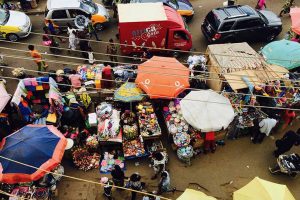
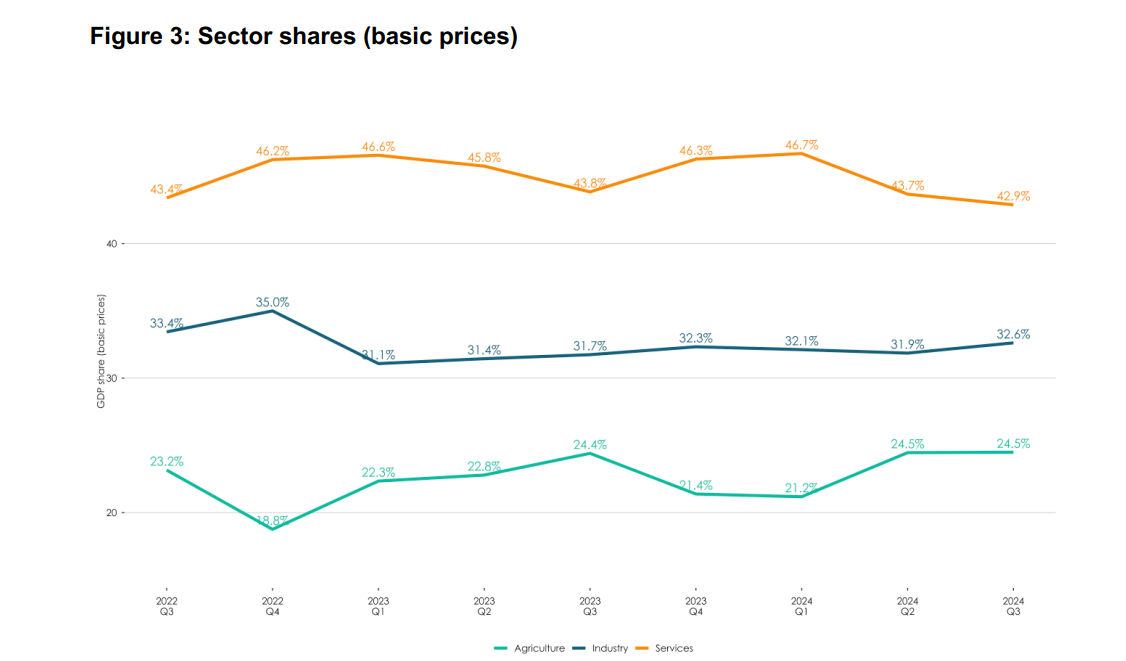
The numbers tell a compelling story, and at its heart is the industry sector. Growing at a blistering 10.4%, industry led the charge in this economic resurgence. mining and quarrying were the headline acts, while manufacturing and construction played their parts as solid supporting characters.
📢 GET DETAILED ARTICLES + JOBS
Join THSB's WhatsApp Channel and never miss a post or opportunity.
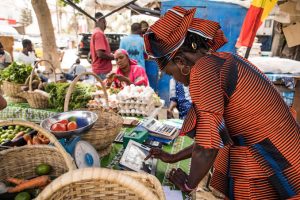
Meanwhile, the services sector, the economy’s perennial giant, continued to dominate with a 42.9% share of GDP. Its standout star was information and communication, which posted an eye-popping 17.1% growth, proving once again that technology is no longer the future but the now.

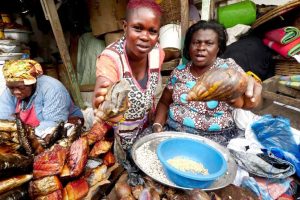
Agriculture, though growing more modestly at 3.2%, leaned heavily on Crops, which expanded by 5.9%. But the sector had its challenges, with Fishing and Cocoa struggling to stay afloat. Fishing saw a sharp contraction of 21.7%, and Cocoa, a long-time economic darling, suffered a 26% drop.
Economic growth doesn’t happen in isolation. It is powered by spending and investment. This quarter was no exception. Gross Capital Formation skyrocketed by an impressive 24.5 percent, underscoring renewed confidence in Ghana’s economic prospects. Household and government spending added to the mix, growing by 3.0 percent and 3.4 percent, respectively.
However, not all the figures were cause for celebration. Net exports took a nosedive, dropping by an alarming 117.1 percent. This sharp decline reflects Ghana’s trade vulnerabilities and serves as a wake-up call to prioritize export-driven strategies while reducing reliance on imports.
MUST READ: Abiola, Nigerian on FBI most wanted list extradited from Ghana to USA
The implications of this economic performance extend far beyond the numbers. For businesses, the growth in sectors such as Manufacturing, Construction, and Information and Communication signals opportunities for expansion and innovation.
Companies in these industries must prepare to capitalize on increased demand by adopting efficient production methods, leveraging technology, and exploring export markets. At the same time, the challenges in Fishing and Cocoa highlight the importance of resilience. Businesses in these sectors need to reassess their strategies, focus on value addition, and explore alternative revenue streams to weather the storm.
For individuals, this economic performance offers a mixed bag. On the positive side, growth in key sectors could lead to job creation and income opportunities, particularly in Manufacturing and Construction.
The expansion of the Information and Communication sector points to the rising demand for tech-related skills, presenting an opportunity for individuals to upskill and align with the future of work. However, the struggles in Fishing and Cocoa could spell difficulties for workers and communities reliant on these sectors, underlining the need for targeted social interventions to cushion the impact.
This is a tale of two economies, one surging forward, the other struggling to keep up. Sectors like Information and Communication are thriving, offering a glimpse into the future. Yet others, like Fishing and Cocoa, remain tethered to the challenges of the past.
To keep growing, Ghana possibly needs to build a more balanced economy and that means, fixing issues in struggling sectors, supporting industries, and improving trade. Everyone has a role to play. Businesses need to adapt and find ways to grow, while individuals can prepare by learning new skills and staying ready for opportunities.

The final quarter of the year brings mounting pressure to sustain this upward trajectory, with the upcoming GDP release in March 2025 set to reveal whether the 7.2 percent growth is a fleeting spark or the foundation of a sustained blaze. This uncertainty coincides with a pivotal transition in leadership, as President-elect John Dramani Mahama prepares to take the reins, bringing fresh hope for economic renewal.
Mahama’s promise to “reset” the economy resonates with the aspirations of many Ghanaians. His plans to make housing more affordable, improve healthcare access, and ensure fair wages address the pressing realities faced by everyday citizens. His commitment to renegotiating the $3 billion IMF bailout and investing in infrastructure modernization reflects a focused effort to tackle long-standing economic challenges and foster growth that benefits everyone.
OTHERS READING: See the 41 female MPs-elect who will serve in Ghana’s 9th parliament
Collaboration between the government, businesses, and individuals will be critical to turning this vision into reality. This combined effort will determine whether Ghana’s progress can be sustained and transformed into long-term prosperity.
Disclaimer: Some content on The High Street Business may be aggregated, summarized, or edited from third-party sources for informational purposes. Images and media are used under fair use or royalty-free licenses. The High Street Business is a subsidiary of SamBoad Publishing under SamBoad Business Group Ltd, registered in Ghana since 2014.
For concerns or inquiries, please visit our Privacy Policy or Contact Page.

Samuel Kwame Boadu is a Ghanaian entrepreneur, writer, and digital consultant passionate about creating impactful stories and business solutions. He is the Founder & CEO of SamBoad Business Group Ltd, a dynamic company with subsidiaries in digital marketing, logistics, publishing, and risk management.