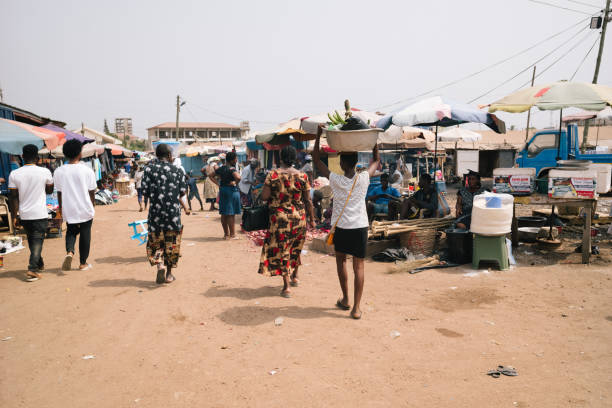




Road traffic accidents have become an enduring national challenge in Ghana, particularly during the Christmas season when mobility peaks across the country. Every December, our roads transform into busy corridors of movement—urban dwellers travel back home, commercial activities intensify, nightlife grows vibrant, and visitors from the diaspora add to the vehicular load. With this surge comes a troubling reality: accidents increase sharply during the festive period, exposing long-standing systemic problems.
The Christmas season often brings a painful rise in:
-
Loss of lives and permanent disabilities
📢 GET A DETAILED ARTICLES + JOBS
Join SamBoad's WhatsApp Channel and never miss a post or opportunity.
📲 Join the Channel Now -
Increased insurance claims
-
National productivity losses
-
Trauma for families
For a country committed to growth, safety, and stability, the persistence of these accidents demands urgent attention. As someone who sees both the human impact and the insurance implications daily, I believe a coordinated solution involving enforcement agencies, regulators, transport unions, the media, local authorities, and insurers is essential.
This editorial by Ebenezer Forson provides a Ghana-specific, evidence-based look at why accidents increase during Christmas—and how stakeholders can change the story.
Understanding Why Accidents Increase During Christmas
Several factors intersect during the festive season to create a high-risk environment for road users. Data from the National Road Safety Authority (NRSA) and the Motor Traffic and Transport Department (MTTD) paints a worrying picture.
Between January and June 2025:
-
7,289 road crashes occurred
-
1,504 fatalities were recorded
-
8,300 people sustained injuries
-
12,354 vehicles were involved
-
1,301 pedestrians were knocked down
On average, the report highlights:
-
8 lives lost daily due to road crashes
-
40 crashes every day nationwide
-
46 injuries per day
-
69 vehicles involved in accidents daily
Christmas travel—when millions are on the move—makes these risks even higher.
Drivers’ Perception of the Christmas Season
For many commercial drivers—trotro, taxi, VIP, long-distance operators—December represents the busiest and most profitable month of the year. This heightened economic opportunity influences behaviour on the road.
a. Higher Passenger Demand
Terminals fill up as people travel from major cities such as Accra, Kumasi, Takoradi, and Tamale to their hometowns.
b. Increased Income Expectations
Drivers anticipate more trips, more passengers, and higher earnings, intensifying pressure to work longer hours.
c. Pressure to Make Multiple Trips
To maximise income, drivers attempt back-to-back journeys, often resulting in fatigue, speeding, and risky overtaking.
d. Busier Roads and Traffic Congestion
Heavy traffic at markets, lorry parks, churches, and entertainment zones heightens stress and reduces patience.
e. Elevated Stress Levels
Drivers face congested roads, impatient passengers, and long working hours—factors that hamper concentration and decision-making.
f. Recognition of December as a High-Risk Period
Experienced drivers admit Christmas roads are “hot”—accident-prone and heavily monitored—yet behavioural risks still rise.
High-Risk Behaviours During Christmas
Several dangerous conditions emerge due to the pressure, fatigue, and congestion of the festive season:
a. Driver Fatigue
Long-distance drivers push themselves to the limit, reducing alertness and slowing reaction time.
b. Over-Speeding
In a rush to meet schedules or return deadlines, many drivers exceed safe speed limits.
c. Driving Under the Influence
Holiday celebrations increase alcohol use, impairing judgment and coordination.
d. Poor Vehicle Maintenance
Worn-out tyres, faulty brakes, bad suspensions, and poor lighting systems go unchecked as drivers chase more trips.
e. Overloading
Commercial vehicles carry excess passengers and goods to maximise holiday earnings.
f. Night-Time Driving Risks
Poor lighting, weak road markings, and fatigue combine to make night driving especially hazardous.
Weak Enforcement and Resulting Gaps
The MTTD faces logistical and manpower limitations across major highways, making consistent enforcement difficult. This allows many risky behaviours to go unchecked during peak travel periods.
A robust national strategy is needed.
What Stakeholders Must Do to Reduce Christmas Accidents
1. Strengthen Law Enforcement (MTTD)
-
Deploy more police during Christmas
-
Use radar guns in high-risk areas
-
Conduct random alcohol breath tests
-
Enforce seat belt and child restraint laws
-
Partner with insurance companies for logistical support
2. Improve Road Infrastructure
-
Fix potholes and shoulders before the festive period
-
Install reflective road markings and warning signs
-
Improve lighting at major junctions and tollbooths
-
Deploy temporary speed bumps in high-risk towns
3. Enhance Transport Terminal Regulation
Terminals must:
-
Verify driver licences
-
Ensure vehicles are roadworthy
-
Enforce proper insurance validation
-
Prevent overloading
-
Maintain driver rotation schedules
4. Strengthen Public Education (NRSA & Media)
Use:
-
TV/radio jingles in local languages
-
Social media alerts
-
Outreach in churches, mosques, and markets
-
Highway billboards
-
Daily safety tips on news platforms
5. Empower Passengers
Public hotlines should allow passengers to report:
-
Over-speeding
-
Reckless overtaking
-
Drunk driving
-
Overloading
6. Enforce Mandatory Rest for Long-Distance Drivers
Transport unions should implement:
-
Maximum of 8 hours continuous driving
-
Compulsory rest stops at key locations (Bunso, Nkawkaw, Kintampo, Tamale)
-
Rotation schedules for long routes
7. Promote Safe Motorbike and Tricycle Use
-
Free helmet campaigns
-
Reflective vest distribution
-
Enforce ban on minors riding
-
Community-based rider education
8. Support for Night-Time Travellers
Travellers should:
-
Avoid unnecessary night journeys
-
Check vehicle lighting
-
Travel in groups when possible
-
Avoid alcohol consumption before or during trips
Accident Hotspots to Target During Christmas
Some highways consistently record high accident rates:
-
Accra–Kumasi Highway: Nsawam, Suhum, Nkawkaw
-
Accra–Cape Coast–Takoradi Road: Kasoa, Winneba
-
Accra–Aflao Highway: High-speed stretch used heavily for cross-border travel
-
Tema Motorway, Spintex, N1: Night-time speeding challenges
-
Northern Corridor (Bimbilla, Yendi, Bolgatanga, Wa): Fatigue + poor lighting
Targeted interventions here yield the greatest impact.
Role of Government and Regulatory Agencies
1. NRSA
-
Lead national education
-
Deploy safety ambassadors
-
Supervise transport terminals
-
Enforce operator-quality standards
2. MTTD
-
Intensify patrols
-
Enforce speed limits
-
Test drivers for alcohol
-
Prevent overloaded vehicles
3. DVLA
-
Conduct pre-Christmas inspections
-
Remove unlicensed drivers
-
Deploy mobile inspection teams
4. National Ambulance Service
-
Station emergency units strategically
-
Activate rapid response teams
The Role of Insurance Companies in Reducing Christmas Accidents
Insurance companies carry the financial burden of accidents and have the data to understand risk patterns. They must move beyond claims management into safety leadership.
1. Sponsor National Christmas Safety Campaigns
Partner with:
-
MTTD
-
DVLA
-
NRSA
-
GPRTU/PROTOA
2. Offer Free Pre-Christmas Vehicle Checks
Cover checks for tyres, brakes, lights, suspension, and insurance validity.
3. Introduce Safe Driving Incentives
-
Premium discounts
-
Rewards for safe drivers
-
Rebates for buses with speed limiters
-
Awards for safest transport terminals
4. Deploy Telematics and Tracking Tools
Install:
-
Speed monitoring devices
-
Dashcams
-
GPS trackers
5. Support MTTD with Logistics
Provide:
-
Speed guns
-
Breathalysers
-
Reflective cones and jackets
-
Fuel vouchers
6. Launch Christmas Road Safety CSR Projects
Examples:
-
Sponsor rest stops
-
Provide reflectors and vests
-
Helmet campaigns
-
Support funds for accident victims
Proposed Joint Programme: “Safe Christmas Ghana Initiative”
Led by NIC and GIA with support from all insurance companies.
Programme Components:
-
Christmas Safety Hotline
-
National Road Safety Media Campaign
-
Telematics Pilot for 500 Vehicles
-
Passenger Safety Education at Terminals
-
Hotspot Patrol Sponsorship
-
Christmas Safety Competition
Recommendation
Reducing Christmas road accidents in Ghana requires commitment from every stakeholder. With stronger enforcement, infrastructure improvements, responsible driver behaviour, empowered passengers, and active leadership by insurance companies, Ghana can protect more lives. Christmas should remain a season of joy—not grief caused by preventable tragedies.
This festive season, let us stay alert, stay responsible, and stay alive. Human lives are precious.
— Ebenezer Forson
Branch Manager, Priority Insurance Company Ltd. (Sefwi)
Source Support: The High Street Business
Disclaimer: Some content on The High Street Business may be aggregated, summarized, or edited from third-party sources for informational purposes. Images and media are used under fair use or royalty-free licenses. The High Street Business is a subsidiary of SamBoad Publishing under SamBoad Business Group Ltd, registered in Ghana since 2014.
For concerns or inquiries, please visit our Privacy Policy or Contact Page.

Samuel Kwame Boadu is a Ghanaian entrepreneur, writer, and digital consultant passionate about creating impactful stories and business solutions. He is the Founder & CEO of SamBoad Business Group Ltd, a dynamic company with subsidiaries in digital marketing, logistics, publishing, and risk management.