


Learn how economic changes affect daily life in Ghana, from rising prices and job opportunities to business growth and household spending.
How Economic Changes Affect Daily Life
Economic change is often discussed in headlines: GDP growth, inflation rates, exchange rates, but its real impact is felt far from policy rooms and financial reports. It shows up in the cost of food at the market, transport fares, school fees, and even the ability to save.
In Ghana, recent economic shifts have made one thing clear: the economy is not an abstract concept. It is deeply personal. It shapes how people live, work, and plan for the future. Understanding how economic changes affect daily life helps connect the bigger picture to everyday reality.
📢 GET DETAILED ARTICLES + JOBS
Join THSB's WhatsApp Channel and never miss a post or opportunity.
Rising Prices and the Cost of Living
One of the most immediate ways economic changes are felt is through inflation. When prices rise, households feel it instantly. Food items, fuel, rent, and transportation costs can all increase within a short period. For many families, this means making difficult choices, cutting back on non-essential spending or finding alternative ways to manage expenses.
Efforts by the Bank of Ghana to control inflation are crucial, but the effects take time to reach everyday consumers. Until then, the pressure on household budgets remains a daily reality.
Income, Jobs, and Financial Stability
Economic conditions have a direct impact on employment. When the economy is growing, businesses expand, and job opportunities increase. When it slows down, hiring may freeze, or jobs may be lost.
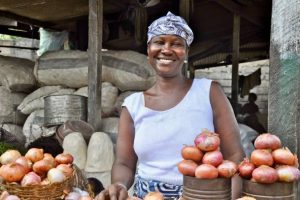
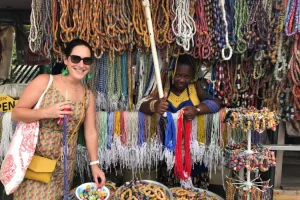
In Ghana, many people rely on small businesses or informal work for income. Economic changes can either boost these opportunities or make them more difficult to sustain. For workers, stability is everything. A steady income allows families to plan, save, and invest in their future. Without it, uncertainty becomes part of daily life.
The Changing Value of Money
Exchange rate fluctuations, especially changes in the value of the cedi, play a significant role in daily living. When the cedi weakens, imported goods become more expensive. This affects everything from electronics to basic food items that rely on imported inputs.
For businesses, it raises the cost of operations. For consumers, it means paying more for the same goods. Over time, these changes can alter spending habits, pushing people to prioritise essentials and delay major purchases.
CHECKOUT: How Government Policy Affects Businesses.
Borrowing, Saving, and Interest Rates
Interest rates influence how people interact with money, whether they borrow, save, or invest. When rates are high, loans become expensive. This can affect individuals looking to finance education, housing, or business ventures. At the same time, savings may offer better returns, encouraging people to save rather than spend.
Decisions by institutions like the International Monetary Fund, in collaboration with national authorities, often shape the broader financial environment. For the average Ghanaian, these decisions translate into everyday financial choices.
Transportation and Energy Costs
Economic changes also affect the cost of getting around and keeping homes running. Fuel prices, for instance, are influenced by global oil markets and local economic policies. When fuel prices rise, transport fares often follow. This affects not just commuters, but also the cost of goods, as transportation is a key part of supply chains.
Similarly, energy costs: electricity and utilities, can impact both households and businesses. Higher costs mean higher expenses across the board. These are the kinds of changes people feel almost immediately.
Business Activity and Market Dynamics
The state of the economy shapes how businesses operate, which in turn affects consumers. When businesses are doing well, there is more variety in the market, better services, and competitive pricing. When they struggle, the opposite can happen: limited options, higher prices, and reduced quality.
Small businesses, in particular, are sensitive to economic changes. Their ability to stay open, hire workers, and serve customers depends heavily on the broader economic environment. In this way, economic changes influence not just what people can afford, but what is available to them.
Social Life and Lifestyle Adjustments
Economic shifts often lead to changes in lifestyle. Families may cut back on entertainment, dining out, or travel. Social activities become more budget-conscious. Even cultural events and celebrations can be affected. Weddings, festivals, and gatherings may be scaled down as people adjust to financial realities.
These changes highlight how deeply the economy is woven into everyday life, not just in financial terms, but in social and emotional experiences.
The Human Response: Resilience and Adaptation
One of the most remarkable aspects of economic change in Ghana is how people adapt. Entrepreneurs find new ways to earn income. Families adjust budgets and priorities. Communities support one another through shared challenges.
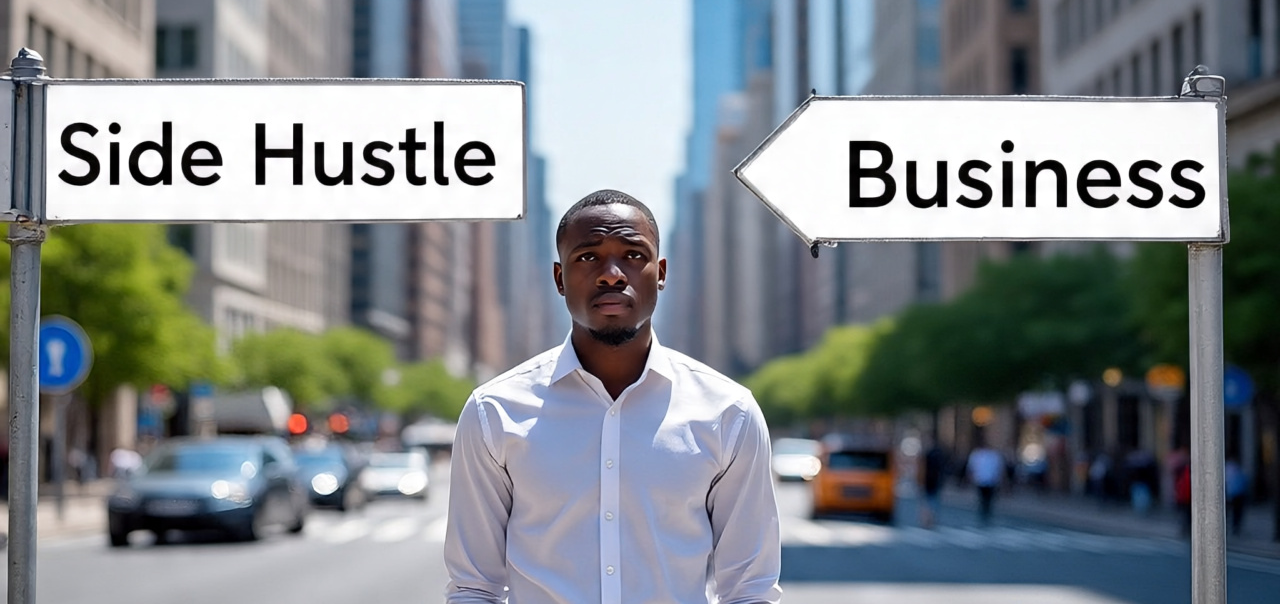
This resilience is a defining feature of Ghanaian society. While economic changes can be difficult, they also inspire creativity and innovation. From side hustles to digital businesses, many people are finding ways to navigate uncertainty and build stability.
ALSO READ: What Interest Rates Changes Mean.
Looking Ahead: From Strain to Stability
Economic changes are not permanent, they evolve over time. Periods of difficulty can give way to recovery and growth, especially when the right policies and conditions are in place. For Ghana, ongoing efforts to stabilise the economy are gradually creating a more predictable environment. As inflation eases and confidence returns, the impact on daily life is expected to improve. But recovery is a process, not an event.
More Than Numbers
At its core, the economy is about people. It is about how individuals earn, spend, save, and live. Every policy decision, market shift, or global trend eventually finds its way into everyday life: into the choices people make and the challenges they face.
Understanding how economic changes affect daily life is not just about economics. It is about understanding the connection between national decisions and personal experiences. And in Ghana today, that connection has never been more visible.
Disclaimer: Some content on The High Street Business may be aggregated, summarized, or edited from third-party sources for informational purposes. Images and media are used under fair use or royalty-free licenses. The High Street Business is a subsidiary of SamBoad Publishing under SamBoad Business Group Ltd, registered in Ghana since 2014.
For concerns or inquiries, please visit our Privacy Policy or Contact Page.

Esther Aku-Sika is a content writer and social media strategist who helps brands and startups grow through intentional storytelling and practical marketing strategies. With a keen eye for trends and audience behavior, she shares business insights, content strategies, and real-life lessons to help entrepreneurs build visibility and turn ideas into income. Through her writing, she simplifies complex concepts and equips readers with actionable steps to grow in today’s digital space.