





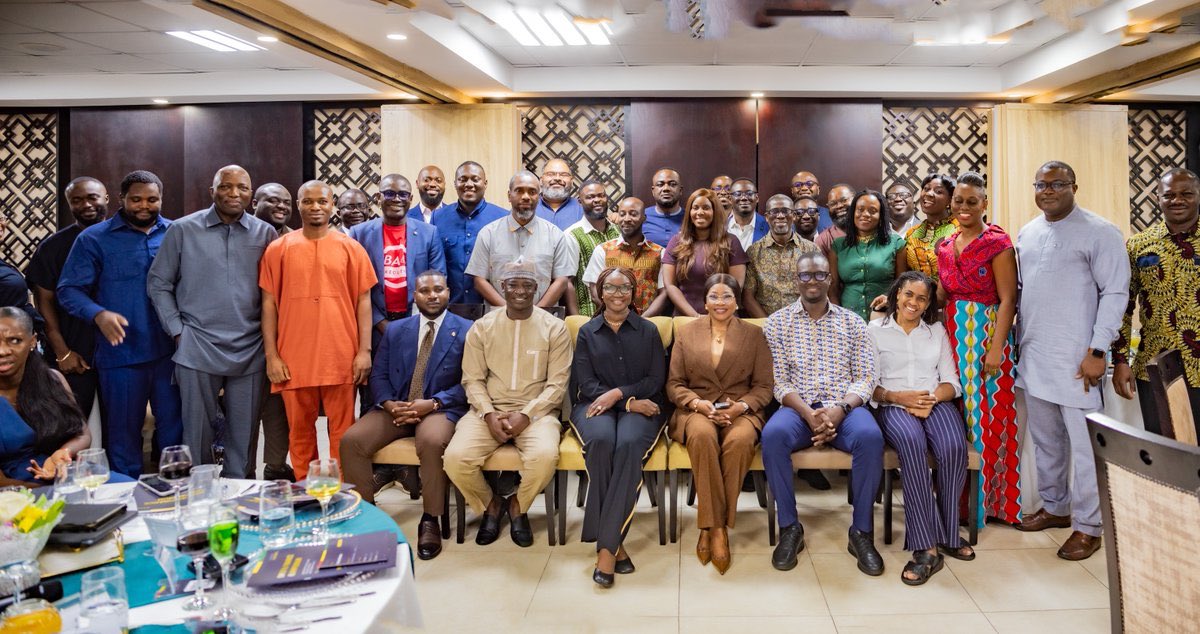

Presidential Adviser and Special Aide to the President, Joyce Bawah Mogtari, delivered a motivational and action-oriented address at the Future of Finance Dialogues on January 23, 2026, an invite-only gathering of Ghana’s financial services and digital economy leadership.
Convened by technology executive Ethel Cofie under Chatham House Rule, Mogtari’s message was direct: build, innovate, and execute. She challenged attendees to treat Ghana’s current moment as a real opening to create value for citizens and businesses, setting an ambitious tempo that pushed the conversation beyond theory toward practical implementation.
The timing was significant. That same week, the Bank of Ghana published a Draft Open Banking Directive and, alongside the Securities and Exchange Commission and Financial Intelligence Centre, issued a joint policy position stating that virtual assets, now used by over 3 million Ghanaians, cannot remain outside regulatory oversight.
📢 GET DETAILED ARTICLES + JOBS
Join THSB's WhatsApp Channel and never miss a post or opportunity.
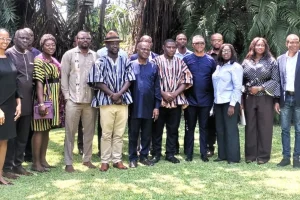
📲 Join THSB Channel NowThese developments framed the evening’s central question: how does Ghana build faster without building fragile? The room included senior public sector leaders like Mrs. Matilda Asante Asiedu (Second Deputy Governor, Bank of Ghana), Hon. Dr. Abed Nego Azumah Bandim (MP and Chair of Parliament’s ICT Committee), and private sector executives from Fidelity Bank, Access Bank Ghana, and fintech builders.

Key themes emerged around partnerships, trust, and accountability. Participants emphasized that Open Banking partnerships scale on clarity about accountability and risk allocation, not goodwill. The ecosystem must establish clear standards for consent in plain language, data security, and responsibility when customer journeys cross multiple platforms.
Dispute resolution emerged as a trust issue rather than back-office concern—people remember how they were treated when things failed. For virtual assets, the question has shifted from whether the market is real to what safeguards, licensing, and consumer education are needed to prevent innovation from becoming harm.
The Deputy Governor emphasized that “Open banking will not succeed only as a regulatory project… It must be a movement, an ecosystem movement,” while Hon. Dr. Bandim noted that “Legislation is only the skeleton. Regulation, implementation, and industry practice are the flesh and blood.” These perspectives aligned with Mogtari’s push for execution, underscoring that Ghana’s digital finance conversation is moving from vision to operating detail—work that determines whether customers experience innovation as convenience or confusion.
Mogtari’s presence signaled that this transition has backing at the highest levels of government, with expectations not just for policy development but for tangible results serving Ghanaians.

By evening’s end, Ghana’s financial services leaders had received clear marching orders: build, execute, deliver value. The question now is how quickly the ecosystem can move from conversation to customer impact.
Disclaimer: Some content on The High Street Business may be aggregated, summarized, or edited from third-party sources for informational purposes. Images and media are used under fair use or royalty-free licenses. The High Street Business is a subsidiary of SamBoad Publishing under SamBoad Business Group Ltd, registered in Ghana since 2014.
For concerns or inquiries, please visit our Privacy Policy or Contact Page.
Samuel Kwame Boadu is a Ghanaian entrepreneur, writer, and digital consultant passionate about creating impactful stories and business solutions. He is the Founder & CEO of SamBoad Business Group Ltd, a dynamic company with subsidiaries in digital marketing, logistics, publishing, and risk management.