


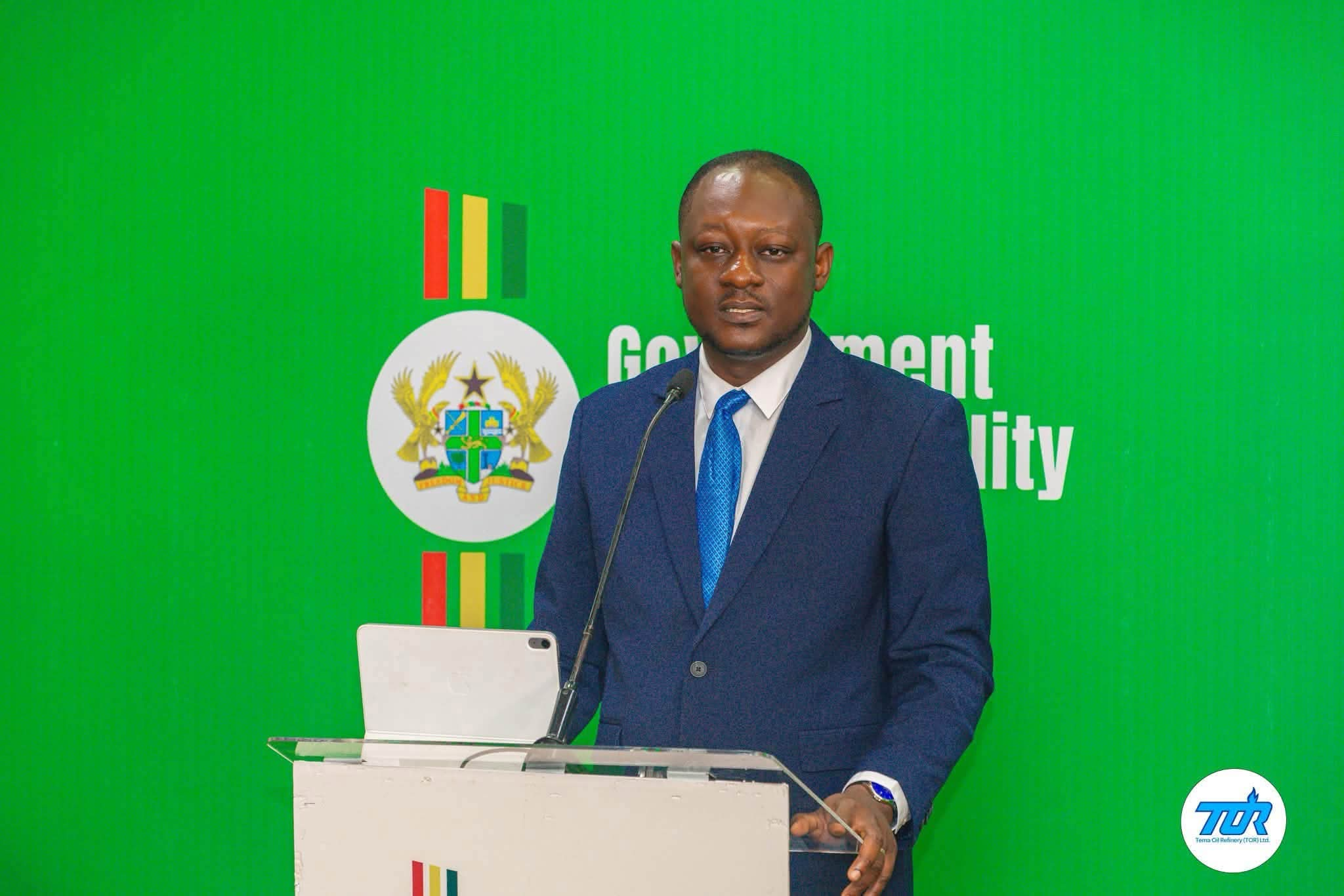

ACCRA, Ghana — The Tema Oil Refinery (TOR) is making significant strides towards operational and financial recovery, with Managing Director Edmond Kombat Esq. outlining key achievements, ongoing upgrades and ambitious expansion plans aimed at repositioning the state-owned refinery for long-term growth.
In a statement shared on his official Facebook page following the Government Accountability Series held at Jubilee House in Accra on Monday, October 26, 2026, Mr Kombat described the refinery’s progress as a product of sustained efforts to restore operations, strengthen financial management and prepare the facility to play a greater role in Ghana’s energy sector.
His presentation highlighted the scale of the challenges inherited by the current management in 2025, alongside the measures introduced under President John Dramani Mahama’s RESET Agenda to rebuild the refinery’s operational capacity and financial standing.
📢 GET DETAILED ARTICLES + JOBS
Join THSB's WhatsApp Channel and never miss a post or opportunity.
From prolonged shutdowns to renewed production
When the current management took over in 2025, TOR was facing significant operational difficulties. The Crude Distillation Unit (CDU) had been out of operation since 2021, while the Residue Fluid Catalytic Cracking (RFCC) Unit had remained inactive since 2019.

The refinery was also burdened with approximately US$517 million in debt, while six years of financial accounts remained unaudited.
Mr Kombat said management responded by prioritising the restoration of refinery operations, clearing the audit backlog, strengthening financial controls and addressing longstanding staff promotion cases.

A major step in the recovery process was the turnaround maintenance of the CDU, which was undertaken between August and October 2025.
The exercise was financed through TOR’s internally generated funds and completed by the refinery’s own engineers and technicians, demonstrating the importance of in-house expertise in the facility’s rehabilitation.
Following safety inspections and clearance by the National Petroleum Authority (NPA), the refinery resumed crude oil processing on December 19, 2025, marking a significant milestone in its recovery journey.
Ghanaian crude returns to local processing
Since operations resumed, TOR has received several crude oil cargoes, including Ghana’s Jubilee crude and a 950,000-barrel Sankofa cargo supplied by the Ghana National Petroleum Corporation (GNPC).
The renewed access to crude supplies represents an important step towards sustaining production and strengthening the refinery’s role in Ghana’s petroleum value chain.
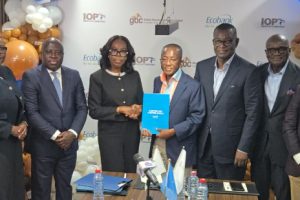
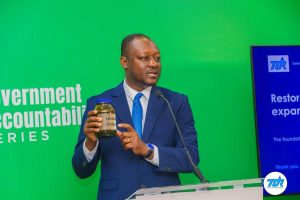
During the Government Accountability Series, samples of crude oil and refined petroleum products were displayed to demonstrate the value of processing Ghanaian crude locally.
The initiative underscores the potential benefits of domestic refining, including improved value addition, industrial development, employment opportunities and a stronger contribution to national energy security.

GH¢1.24 billion profit signals financial turnaround
Beyond the return to production, TOR’s financial performance has emerged as one of the most notable developments in its recovery programme.
According to Mr Kombat, the refinery recorded a profit before tax of GH¢1.24 billion in 2025, marking a significant turnaround after years of financial difficulties.
Management also completed the company’s outstanding audited accounts and increased commercial revenue compared with 2024.
The progress points to renewed efforts to improve accountability, strengthen financial discipline and restore confidence in the refinery’s operations.
The recovery programme has also supported employment opportunities for engineers, temporary workers and local contractors, highlighting the broader economic benefits of restarting and upgrading the facility.
Engineering upgrades target higher production capacity
With crude processing restored, attention has shifted towards increasing throughput and improving operational efficiency.
Mr Kombat disclosed that the CDU is currently processing approximately 28,000 barrels per stream day (bpsd).
TOR’s technical team, working alongside engineers from Verga Engineering, is undertaking work on the F-61 tie-in, which is intended to raise throughput towards a target range of 45,000 to 55,000 barrels per day.
Achieving that target would represent a significant improvement in the refinery’s processing capacity and support its broader recovery objectives.
The ongoing engineering work forms part of efforts to strengthen the facility’s performance while preparing it for further upgrades and future investment.
Five-year plan sets direction for long-term growth
Looking beyond the immediate recovery programme, TOR is pursuing a five-year strategic plan designed to guide investment decisions, operational reforms and the refinery’s long-term development.
The proposed direction includes expanding the existing refinery, developing a new refinery and establishing petrochemical facilities, alongside increasing storage capacity.
These ambitions reflect a broader vision of transforming TOR from a facility focused primarily on restoring its existing operations into a stronger industrial asset capable of supporting Ghana’s evolving energy requirements.
If implemented successfully, the planned investments could expand domestic processing capacity, create additional industrial opportunities and strengthen the country’s ability to derive greater value from its petroleum resources.
Workers at the centre of TOR’s recovery
Despite the progress made, sustaining the refinery’s recovery will require continued attention to operational reliability, technical upgrades, crude supply, financial discipline and long-term investment.
Mr Kombat emphasised that the priority is to maintain the momentum achieved since operations resumed, increase throughput and complete the upgrades needed to improve the refinery’s contribution to Ghana’s energy needs.
He attributed the progress to the dedication of TOR’s workforce, praising the engineers, technicians and other employees whose efforts have helped bring the refinery back into operation.
“All the credit goes to the workers of TOR in working hard to ensure H.E. President Mahama’s Reset Vision for TOR is sustained,” he said.
The statement captures the central message of TOR’s current recovery drive: restoring production is only the beginning. The bigger task is to sustain operations, improve efficiency, strengthen the company’s finances and deliver the investments needed to secure its future.
For Ghana, a stronger and more reliable Tema Oil Refinery could become an important contributor to domestic industrial development and energy security. The challenge now is to translate the progress recorded into lasting operational stability and a sustainable future for one of the country’s strategic industrial institutions.
Disclaimer: Some content on The High Street Business may be aggregated, summarized, or edited from third-party sources for informational purposes. Images and media are used under fair use or royalty-free licenses. The High Street Business is a subsidiary of SamBoad Publishing under SamBoad Business Group Ltd, registered in Ghana since 2014.
For concerns or inquiries, please visit our Privacy Policy or Contact Page.

Samuel Kwame Boadu is a Ghanaian entrepreneur, writer, and digital consultant passionate about creating impactful stories and business solutions. He is the Founder & CEO of SamBoad Business Group Ltd, a dynamic company with subsidiaries in digital marketing, logistics, publishing, and risk management.