



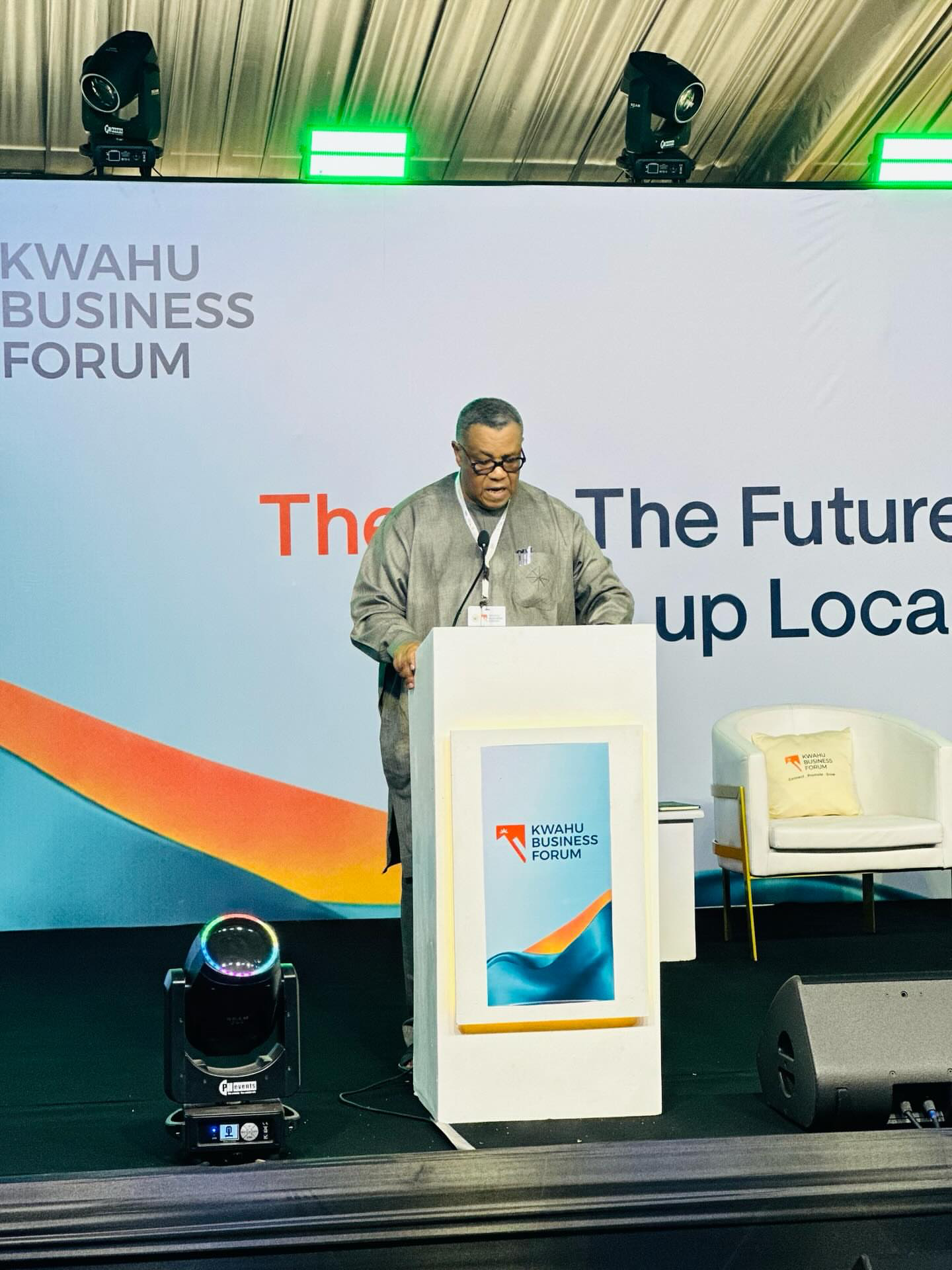
Kwahu Business Forum: From Easter Gathering to Economic Power Play- In the hills of Kwahu, long associated with commerce and entrepreneurial dominance, the Kwahu Business Forum is fast evolving into one of Ghana’s most strategic economic platforms. What began as a campaign-era engagement has, in just a few years, taken on the shape of a national development instrument, blending politics, capital, and enterprise into a single agenda.
Kwahu Business Forum: From Easter Gathering to Economic Power Play
Kwahu is not just a location, it is a symbol of Ghanaian enterprise. Historically, the Kwahu people have dominated trade, retail, and later manufacturing across Ghana, building a reputation as one of the country’s most commercially active groups.
The Kwahu Business Forum taps directly into this legacy. It is deliberately staged during the Easter season, a time when thousands of business owners, investors, and diaspora Ghanaians converge in the area. This timing is not accidental; it converts a cultural and social gathering into a high-value economic marketplace.
📢 GET A DETAILED ARTICLES + JOBS
Join SamBoad's WhatsApp Channel and never miss a post or opportunity.
CHECKOUT: Mahama Unveils Kwahu Business Forum To Support 600 Ghanaian Enterprises By 2029
What the Forum Actually Is (Beyond the Headlines)
At its core, the Kwahu Business Forum is a public-private partnership platform designed to:
• Connect entrepreneurs with investors
• Facilitate access to financing
• Showcase scalable Ghanaian businesses
• Align government policy with private-sector needs
It brings together SMEs, banks, policymakers, and development partners, creating a rare space where deals, not just discussions, are expected to happen.
Unlike traditional conferences, the forum is structured around:
- Investor pitch sessions
- Sector-focused dialogues (agriculture, manufacturing, exports)
- Exhibition and product demonstration zones
The Politics Behind the Platform
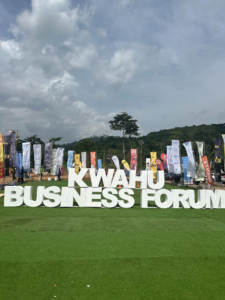
The Kwahu Business Forum cannot be separated from the political economy shaping it.
It is widely understood to be the brainchild of His Excellency John Dramani Mahama and his Chief of Staff, emerging from engagements with business leaders during the 2024 election cycle.
What started as a listening exercise has now become:
- A policy feedback loop
- A delivery mechanism for campaign promises
- A symbol of pro-business governance
The presence of top officials—including the President, the Bank of Ghana Governor, and senior policymakers, signals that the forum is not just ceremonial, but embedded in national economic strategy.
From Talk Shop to Deal Room
What makes the Kwahu Business Forum increasingly tangible is its shift toward measurable outcomes.
Key interventions linked to the forum include:
- Commitments by banks to support SMEs
- Structured engagement between financial institutions and businesses
- A broader plan to support hundreds of Ghanaian enterprises by the end of the decade
The 2026 edition alone attracted over 1,000 entrepreneurs and industry players, reflecting rapid growth in both scale and influence.
Why It Matters for Ghana’s Economy
The Kwahu Business Forum sits at the intersection of three critical economic priorities:
1. Private Sector Expansion
Ghana’s growth constraints have long been tied to limited access to capital and weak industrialisation. The forum directly addresses this by linking SMEs to financing and markets.
2. Financial Inclusion
By bringing banks and entrepreneurs into one space, the forum reduces the disconnect between capital availability and business access.
3. Industrial Policy in Action
Rather than abstract policy papers, the forum focuses on real sectors, agro-processing, manufacturing, exports; where job creation potential is highest.
The Bigger Picture: A New Model for Economic Forums?
Ghana has hosted several economic dialogues in the past, such as the Ghana Economic Forum. But the Kwahu Business Forum is different in tone and execution.
Where older forums leaned heavily on policy debate, Kwahu is:
- More entrepreneur-focused
- More transaction-driven
- More politically anchored
It also mirrors continental efforts like the Africa Prosperity Dialogues: suggesting Ghana is experimenting with localized economic summits that feed into broader African trade ambitions.
The Risks and Realities
Despite its promise, the forum faces key challenges:
- Execution risk: Turning pledges into actual funding
- Inclusivity gaps: Ensuring SMEs beyond elite networks benefit
- Political dependency: Its success may hinge on sustained government backing
Without measurable outcomes: jobs created, businesses funded, it risks becoming another high-profile annual gathering with limited long-term impact.
ALSO READ: How The Israel-US-Iran War Affects Ghana’s Economy
The Bottom Line
The Kwahu Business Forum is no longer just an Easter side event, it is emerging as a strategic economic instrument.
If it succeeds, it could:
- Redefine how Ghana supports SMEs
- Create a pipeline for investment into local industries
- Serve as a model for business-led development across Africa
If it fails, it will join a long list of well-intentioned but under-delivered economic initiatives.
For now, all eyes are on Kwahu, not just for paragliding and festivities, but for deals that could shape Ghana’s economic future.
Disclaimer: Some content on The High Street Business may be aggregated, summarized, or edited from third-party sources for informational purposes. Images and media are used under fair use or royalty-free licenses. The High Street Business is a subsidiary of SamBoad Publishing under SamBoad Business Group Ltd, registered in Ghana since 2014.
For concerns or inquiries, please visit our Privacy Policy or Contact Page.

Esther Aku-Sika is a content writer and social media strategist who helps brands and startups grow through intentional storytelling and practical marketing strategies. With a keen eye for trends and audience behavior, she shares business insights, content strategies, and real-life lessons to help entrepreneurs build visibility and turn ideas into income. Through her writing, she simplifies complex concepts and equips readers with actionable steps to grow in today’s digital space.