









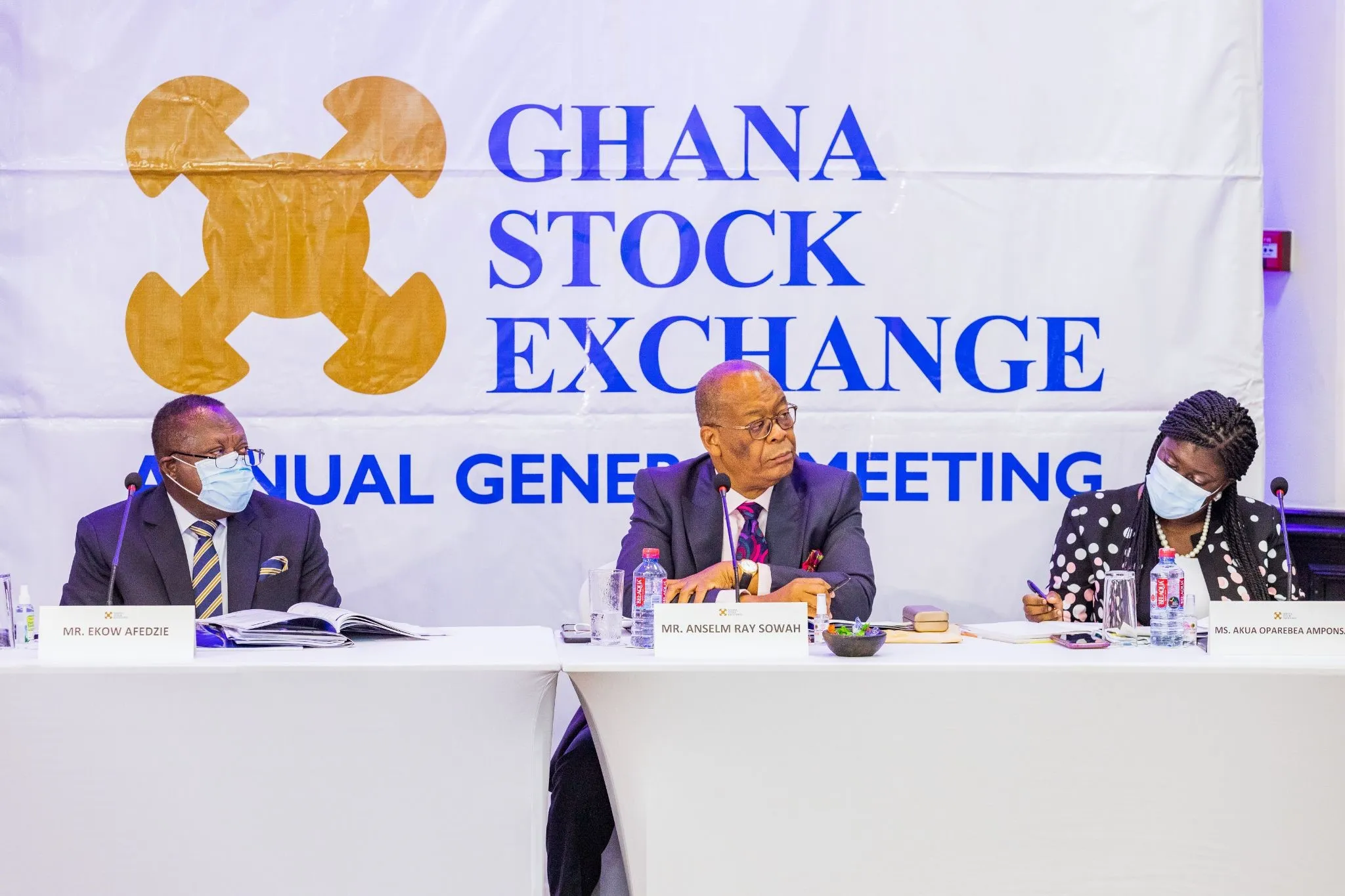
Here are the key regulatory developments shaping the Ghana Stock Exchange and its broader capital market landscape this year — and what investors should understand before committing capital.
1. New Listing Rules and Equity Market Standards (Effective Feb 2, 2026)
In early 2026, the GSE introduced a revised Equities Market Listing Rulebook — replacing regulations that had governed the exchange since 2006. These updated rules tighten standards, modernise disclosure requirements, and clarify responsibilities for issuers and directors.
What investors should know:
📢 GET A DETAILED ARTICLES + JOBS
Join SamBoad's WhatsApp Channel and never miss a post or opportunity.
-
Stronger listing criteria aim to improve issuer quality and protect shareholders.
-
Enhanced governance expectations could reduce weak or non‑transparent companies on the Exchange.
-
All prospective and existing issuers must adopt the new standards immediately to remain compliant.
Implication: Companies with weak governance or poor compliance systems may face challenges listing or maintaining status, while stronger firms gain credibility in the eyes of domestic and foreign investors.
2. Capping Share Buybacks and Disciplined Capital Management
As part of the updated listing framework, the GSE introduced caps on share buybacks to guard against manipulation and artificial price inflation. Management teams must demonstrate that buybacks serve legitimate capital‑management objectives rather than short‑term price support.
What investors should know:
-
This reduces the risk of price distortions caused by aggressive repurchases.
-
It encourages more transparent use of retained earnings.
-
It places governance standards on par with global capital market norms.
Implication: Investors can better assess genuine corporate performance without distortion from excessive buyback activity.
3. Enhanced Corporate Governance and Disclosure Requirements
The new rules require issuers to be more transparent about board changes, borrowing powers, and material corporate events. Companies must promptly notify the exchange and investors of significant changes, such as director appointments or legal actions.
What investors should know:
-
Timely disclosure reduces information asymmetry and supports better investment decisions.
-
Corporate behaviour aligning with investor protection standards strengthens market confidence.
Implication: Greater transparency helps reduce asymmetrical information risk — a notable concern in emerging markets.
4. Broader Capital Market Regulation and Digital Finance Integration
Ghana’s financial regulatory ecosystem is evolving beyond the stock exchange itself:
-
Regulators are coordinating to bring digital assets — including virtual asset service providers — under formal supervision.
-
Both the Bank of Ghana and the Securities and Exchange Commission are enforcing rules on advertising and public promotion of virtual assets, reflecting the new Virtual Asset Service Providers Act.
What investors should know:
-
Digital asset regulation may influence indirect capital market activity and cross‑market products — especially if crypto or tokenised securities become intertwined with traditional equities.
-
Regulators are tightening oversight and requiring authorisation for mass promotion of new tech financial products, with sanctions for non‑compliance.
Implication: A more integrated regulatory environment could expand future market offerings — including digital asset‑linked products — but also brings transitional compliance risk.
5. Policy Direction Through Industry Forums
Roundtable discussions between regulators, banks, and market participants — such as those hosted by industry leaders like Standard Chartered Bank Ghana — highlight shifts toward structured digital infrastructure and broader capital market integration.
What investors should know:
Stakeholder engagement signals ongoing regulatory focus on innovation, risk management, and sustainability in financial markets.
Implication: Active dialogue between regulators and market operators often precedes additional reforms and product diversification.
What This Means for Investors
🔍 Higher Governance Standards
Revised listing rules and buyback restrictions improve quality and transparency, helping long‑term investors separate resilient companies from weak performers.
📈 Better Investor Protection
Enhanced disclosure requirements and caps on share repurchases bolster confidence by reducing market manipulation risks.
🌐 Broader Financial Market Evolution
Regulatory coordination on digital assets and capital market infrastructure signals future innovation — but investors should stay aware of transitional compliance requirements.
📊 Impact on Market Participation
While improved standards may initially mean slower growth in new listings, the reforms position the GSE to attract stronger issuers and deeper capital participation over time.
Conclusion From THSB
In 2026, regulatory changes affecting the Ghana Stock Exchange reflect a deliberate shift toward modernised governance, disciplined market conduct, and integrated financial oversight. These reforms — from new listing rules and buyback caps to enhanced transparency obligations and digital asset regulation — aim to strengthen investor confidence and align Ghana’s capital markets more closely with global practices.
For investors, understanding these regulatory shifts is essential to evaluating risk, identifying quality issuers, and participating with confidence in a market that is evolving in structure and depth.
Source: The High Street Business
Disclaimer: Some content on The High Street Business may be aggregated, summarized, or edited from third-party sources for informational purposes. Images and media are used under fair use or royalty-free licenses. The High Street Business is a subsidiary of SamBoad Publishing under SamBoad Business Group Ltd, registered in Ghana since 2014.
For concerns or inquiries, please visit our Privacy Policy or Contact Page.