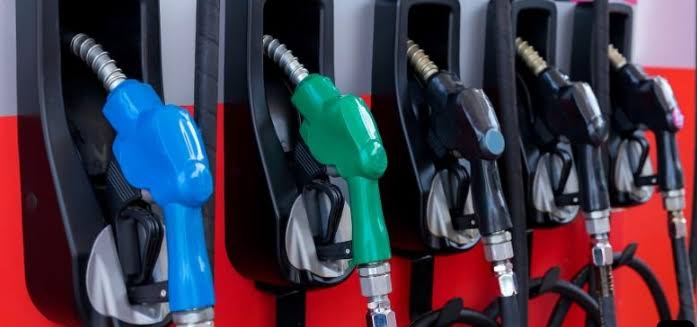
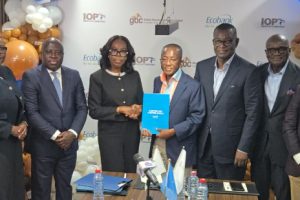


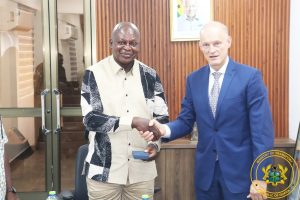

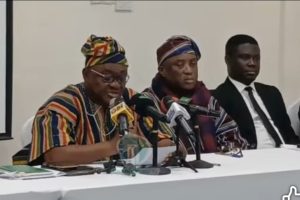
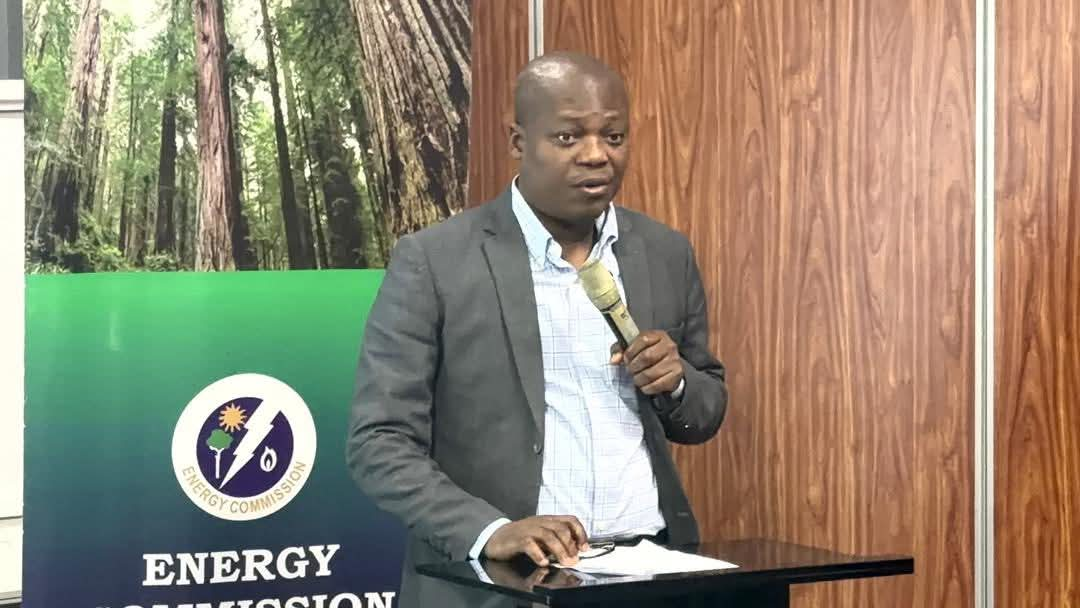

The Energy Commission has started a two-day board meeting in Ho to review the Draft Electric Vehicle (EV) Charging Infrastructure and Battery Swap Systems Regulation.
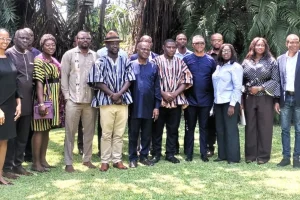
This event is an important step in Ghana’s efforts to establish the requisite legal and regulatory framework for the EV sector. Attendees included the Board Chairman, Board Members, the Deputy Executive Secretary, the consultant, Energy Commission staff, and the press.

📢 GET DETAILED ARTICLES + JOBS
Join THSB's WhatsApp Channel and never miss a post or opportunity.
The Board Chairman of the Commission, Professor Gartchie Gatsi, stated that the regulations provide the Commission with the legal basis to regulate the EV charging infrastructure and Battery Swap Systems value chain.

The draft EV Regulation once passed will ensure the Energy Commission regulates and license all EV charging infrastructure and Battery Swap Systems Manufacturing, Assembly, Importation, Installation and Operation in Ghana.
Professor Gatsi outlined four key areas around which the regulation is structured; residential charging stations, workplace charging stations, Public and commercial charging stations, and safety requirements for charging stations and battery swap systems.
Mr. Kennedy Amankwah, Deputy Director of Energy Efficiency Regulation, welcomed participants and reiterated the importance of transparency and public awareness in shaping Ghana’s EV regulations.
He stated that the Energy Commission is the official body responsible for regulating EV charging stations in Ghana. The Commission together with the Ghana Standards Authority to developed and published the GSA approved Ev Charging Infrastructure, Vehicle & Battery Standards
Ms. Joyce Caitlyn Ocansey, Coordinator of the Drive Electric Programme, reiterated the Energy Commission’s commitment to ensuring Ghana’s EV Infrastructure and Battery Swap Systems are sustainable and safe.
She informed that the regulation will prevent Ghana from becoming a dumping ground for internal combustion engine (ICE) vehicles which are becoming outmoded in the European Union and other countries; and usher in an era of green and sustainable technology for the future and enable us meet our climate targets.
Stakeholder sensitisation and awareness have been conducted in targeted regional capitals across the country to ensure adequate participation of all. Once approved by Parliament the EV regulation will be a key step in helping Ghana build a safe and well-organized EV charging system under the Energy Commission’s guidance.
Disclaimer: Some content on The High Street Business may be aggregated, summarized, or edited from third-party sources for informational purposes. Images and media are used under fair use or royalty-free licenses. The High Street Business is a subsidiary of SamBoad Publishing under SamBoad Business Group Ltd, registered in Ghana since 2014.
For concerns or inquiries, please visit our Privacy Policy or Contact Page.


Samuel Kwame Boadu is a Ghanaian entrepreneur, writer, and digital consultant passionate about creating impactful stories and business solutions. He is the Founder & CEO of SamBoad Business Group Ltd, a dynamic company with subsidiaries in digital marketing, logistics, publishing, and risk management.