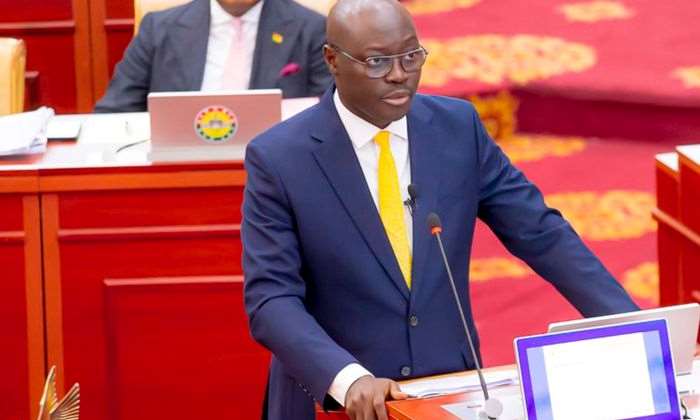











Financial news often feels complex, technical, and distant from everyday business reality. Yet in Ghana, financial developments directly affect prices, borrowing costs, business expansion, employment, and household stability. Understanding financial news does not require expert training—it requires clarity, context, and relevance.
At The High Street Business, we believe financial news should be understood, not feared. This editorial explains Ghana’s most important financial news themes in simple terms, focusing on what they mean for businesses, entrepreneurs, and the wider economy.
1. Interest Rates: The Price of Money
One of the most common financial headlines in Ghana concerns interest rates. In simple terms, interest rates represent the cost of borrowing money and the reward for saving it.
📢 GET A DETAILED ARTICLES + JOBS
Join SamBoad's WhatsApp Channel and never miss a post or opportunity.
When interest rates are high:
-
Loans become more expensive
-
Businesses borrow less
-
Consumers spend less
When interest rates fall:
-
Borrowing becomes cheaper
-
Investment increases
For Ghanaian businesses, interest rate decisions influence whether expansion plans are realistic, how much debt is sustainable, and how cash flow is managed. For individuals, they affect mortgage costs, business loans, and returns on savings.
Interest rate news is important because it sets the tone for economic momentum.
2. Inflation: Why Prices Rise
Inflation measures how fast prices are increasing. When inflation is high, the same amount of money buys fewer goods and services.
In Ghana, inflation affects:
-
Food prices
-
Transport costs
-
Rent and utilities
-
Business operating expenses
For businesses, inflation increases input costs and forces difficult pricing decisions. For households, it reduces purchasing power and savings value.
When financial news reports inflation slowing, it usually signals:
-
Improved price stability
-
Reduced pressure on wages and costs
-
Better conditions for planning
Inflation trends help businesses decide when to invest, hire, or adjust prices.
3. The Exchange Rate: The Value of the Cedi
The exchange rate tells us how strong or weak the Ghanaian cedi is compared to foreign currencies. A weaker cedi makes imports more expensive and exports more competitive. A stronger cedi lowers import costs but can affect export earnings.
Businesses that rely on imported goods, machinery, or raw materials closely watch exchange rate news. Currency movements influence:
-
Cost of goods sold
-
Profit margins
-
Pricing strategies
-
Foreign debt obligations
Exchange rate stability is often more important than strength. Predictable currency conditions help businesses plan and manage risk.
4. Government Borrowing and Debt
Financial news frequently mentions public debt, treasury bills, and bond markets. In simple terms, when the government borrows money, it competes with businesses and individuals for funds.
High government borrowing can:
When news reports declining debt levels or improved debt management, it often signals:
-
Reduced pressure on financial markets
-
Improved investor confidence
-
More room for private sector lending
For businesses, government debt news helps explain credit availability and financing costs.
5. Banking Sector Health
The banking sector plays a critical role in Ghana’s economy. Financial news about banks—profits, loan performance, or regulatory actions—reflects the health of credit markets.
Healthy banks:
-
Support growth and innovation
-
Strengthen financial stability
When news highlights rising loan defaults or tighter lending conditions, it often signals:
-
Increased borrowing difficulty
-
Higher collateral requirements
-
Reduced credit expansion
Business owners should pay attention to banking news because it affects access to finance.
6. Stock Market and Capital Markets
The stock market is often seen as distant from everyday business life, but it plays an important role in raising long-term capital.
When financial news reports:
-
Rising market activity → investor confidence is improving
-
Low trading volumes → caution or uncertainty
Capital market developments influence pension funds, insurance companies, and institutional investors. Strong capital markets provide alternative funding sources for businesses beyond bank loans.
Understanding market sentiment helps explain broader investment behaviour.
7. Tax Policy and Revenue Collection
Financial news often includes updates on tax policy, revenue targets, and enforcement measures. These stories matter because taxes affect:
-
Compliance costs
-
Investment decisions
Announcements on new taxes, adjustments, or incentives signal government priorities. Businesses that understand tax-related news can better manage compliance and planning.
Tax policy is not just a government issue—it directly shapes business sustainability.
8. Foreign Investment and Capital Flows
News about foreign investment reflects confidence in Ghana’s economy. When investors bring capital into the country, it supports job creation, technology transfer, and foreign exchange availability.
Declining capital inflows can signal:
-
Rising risk perception
-
Policy uncertainty
-
Global economic pressures
For local businesses, foreign investment trends affect competition, partnerships, and market expansion opportunities.
9. Financial Sector Reforms and Regulation
Regulatory changes in the financial sector often appear technical but have real-world consequences. News about new banking rules, capital requirements, or compliance standards affects how financial institutions operate.
Stricter regulation can:
-
Improve stability
-
Reduce systemic risk
-
Increase compliance costs
Balanced regulation supports trust and resilience within the financial system.
10. Why Financial News Matters to Everyday Life
Financial news may appear abstract, but its impact is tangible:
-
Loan approvals depend on interest rate policy
-
Prices reflect inflation trends
-
Jobs respond to investment conditions
Understanding financial news empowers business owners, workers, and consumers to make informed decisions.
At The High Street Business, we emphasise that financial literacy is not about complexity—it is about clarity.
The Bigger Picture
Ghana’s financial news tells a story about confidence, discipline, opportunity, and risk. When interpreted correctly, it offers guidance for business planning, investment decisions, and personal finance management.
The most successful business leaders are not those who follow every headline, but those who understand what financial news means and how it connects to strategy.
FAQs
Why should small business owners follow financial news?
Because interest rates, inflation, and credit conditions directly affect costs, pricing, and growth.
Is financial news only relevant to banks and investors?
No. It affects everyone involved in earning, spending, saving, or investing money.
Which financial indicators matter most in Ghana?
Interest rates, inflation, exchange rates, government borrowing, and banking sector health.
How can financial news be understood easily?
By focusing on impact rather than technical language.
Does financial stability help job creation?
Yes. Stable financial conditions encourage investment and expansion.
Source: THSB
Disclaimer: Some content on The High Street Business may be aggregated, summarized, or edited from third-party sources for informational purposes. Images and media are used under fair use or royalty-free licenses. The High Street Business is a subsidiary of SamBoad Publishing under SamBoad Business Group Ltd, registered in Ghana since 2014.
For concerns or inquiries, please visit our Privacy Policy or Contact Page.