




The Governor of the Bank of Ghana (BoG), Dr. Ernest Addison, has said there is a steady global growth prospects for 2025 but raised concerns over rising trade protectionism and geopolitical uncertainties, warning that these factors could erode business and consumer confidence.
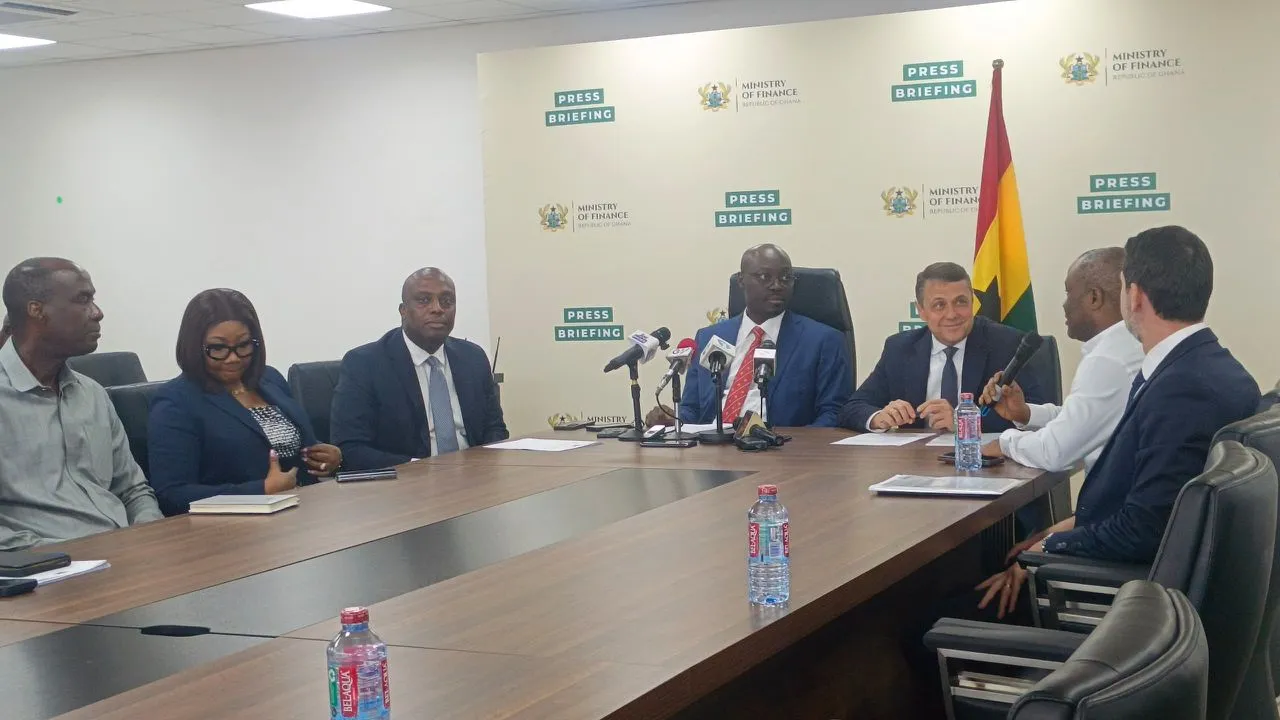
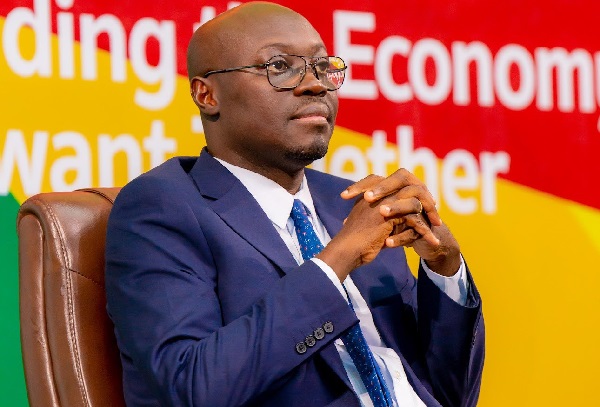
Speaking at the Monetary Policy Committee (MPC) press briefing on January 27, he said “The global economy is expected to remain stable in 2025, supported by low inflation, steady employment growth, and a supportive monetary policy stance.”
“However, uncertainty related to trade protectionist policies and geopolitical tensions could weigh on business and consumer confidence, potentially dampening the growth outlook,” Dr. Addison stated.
📢 GET DETAILED ARTICLES + JOBS
Join THSB's WhatsApp Channel and never miss a post or opportunity.
The January 2025 World Economic Outlook (WEO) report revised global growth for 2024 upward to 3.3%, slightly higher than the October 2024 projection of 3.2%.

This growth was largely driven by strong performances in the United States, a recovery in China, and relative stability in emerging markets. However, slower growth in the Eurozone and the looming risks of trade disputes and political instability could jeopardize these gains.
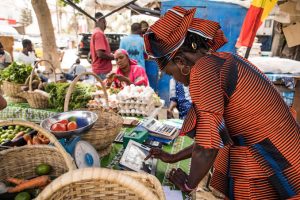
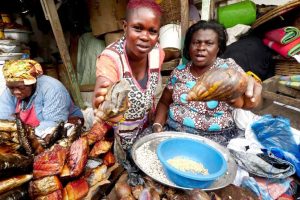
For many Ghanaians, global trade disputes and geopolitical uncertainties may seem distant, yet their impacts are deeply felt. Disruptions in global trade can hinder Ghana’s ability to export goods, while geopolitical tensions often lead to higher commodity prices, including fuel, which then drive up transport costs and food prices. These trends create a direct strain on household budgets and business operations alike.
As an export-reliant economy, Ghana is particularly exposed to such external vulnerabilities. The rise in trade protectionism, marked by tariffs and trade barriers, threatens to disrupt global trade volumes, while geopolitical instability adds further uncertainty to economic forecasts.
Both factors pose significant challenges for emerging markets, which depend on steady global trade flows and investment.
In response to these external risks, Ghana’s strategy must center on building economic resilience. This requires sound fiscal management to maintain government spending within sustainable limits, robust foreign reserves to cushion against shocks, and stable monetary policies to manage inflation and stabilize the cedi.
Diversifying the economy and fostering strong internal systems are equally important for mitigating external pressures.
Despite the optimism surrounding global growth stability, the road ahead is riddled with risks. Trade disputes and geopolitical tensions loom large, and Ghana must remain vigilant to protect its progress.
Disclaimer: Some content on The High Street Business may be aggregated, summarized, or edited from third-party sources for informational purposes. Images and media are used under fair use or royalty-free licenses. The High Street Business is a subsidiary of SamBoad Publishing under SamBoad Business Group Ltd, registered in Ghana since 2014.
For concerns or inquiries, please visit our Privacy Policy or Contact Page.


Samuel Kwame Boadu is a Ghanaian entrepreneur, writer, and digital consultant passionate about creating impactful stories and business solutions. He is the Founder & CEO of SamBoad Business Group Ltd, a dynamic company with subsidiaries in digital marketing, logistics, publishing, and risk management.