




The rising cost of living is one of the most persistent concerns for households and businesses in Ghana. From food and transport to housing, healthcare, and utilities, everyday expenses continue to increase, often faster than incomes. While this trend is frequently blamed on inflation alone, the reality is more complex.
At The High Street Business, we view the rising cost of living not as a single economic event but as the outcome of multiple, interconnected forces. This editorial breaks down why the cost of living keeps rising in Ghana, how these pressures reinforce one another, and why the issue goes beyond temporary price hikes.
1. What Cost of Living Really Means
Cost of living refers to the amount of money required to maintain a basic standard of living. It includes essential expenses such as food, housing, transportation, healthcare, education, and utilities.
📢 GET A DETAILED ARTICLES + JOBS
Join SamBoad's WhatsApp Channel and never miss a post or opportunity.
When the cost of living rises, households must spend more to maintain the same quality of life. In Ghana, this rise is experienced most sharply in urban areas, but its effects extend across all regions and income groups.
2. Inflation as a Core Driver
Inflation plays a central role in rising living costs. As the general price level increases, money buys less, and households are forced to allocate more income to basic needs.
However, inflation in Ghana is not only driven by demand. It is often cost-driven, influenced by fuel prices, transportation costs, exchange rate pressures, and supply constraints. These factors push prices upward even when consumer demand remains unchanged.
Inflation therefore acts as a persistent background force shaping living costs.
3. Income Growth Lagging Behind Prices
One of the key reasons the cost of living feels increasingly burdensome is that incomes often fail to keep pace with rising prices.
Wages and salaries in many sectors adjust slowly, while prices respond quickly to economic pressures. This gap erodes purchasing power, forcing households to reduce consumption, take on debt, or rely on informal coping strategies.
Rising costs become a crisis when income growth does not match price growth.
4. Transportation and Energy Costs
Transportation is a major component of the cost of living in Ghana. Fuel price changes quickly translate into higher transport fares, food prices, and service charges.
Energy costs also affect both households and businesses. When electricity, fuel, or logistics costs rise, they increase production and distribution expenses across the economy. These increases are passed on to consumers through higher prices.
Transportation and energy act as multipliers, spreading cost pressures throughout the market system.
5. Housing and Urban Pressures
Housing costs are a growing contributor to the rising cost of living. Urbanisation has increased demand for housing faster than supply, particularly in major cities.
Rent levels reflect land scarcity, construction costs, infrastructure gaps, and speculative behaviour. As housing costs rise, they absorb a larger share of household income, leaving less for other necessities.
Housing pressures make the cost of living especially challenging for urban workers.
6. Food Prices and Supply Vulnerabilities
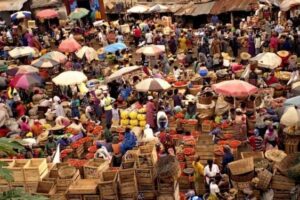
Food is the most visible and emotionally felt element of the cost of living. Price increases in staple foods immediately affect household welfare.
In Ghana, food prices are sensitive to:
-
Weather conditions
-
Seasonal production cycles
-
Transportation and storage challenges
-
Post-harvest losses
Supply disruptions quickly translate into higher prices. Even when production is adequate, distribution inefficiencies can raise costs for consumers.
7. Exchange Rates and Imported Living Costs
A significant portion of household consumption depends on imported goods or inputs. Currency depreciation raises the local price of these items, including food products, fuel, medicines, and household goods.
Imported inflation affects both essential and discretionary spending. Even locally produced goods become more expensive when they rely on imported packaging, machinery, or fuel.
Exchange rate pressures therefore feed directly into living costs.
8. Taxes, Levies, and Compliance Costs
Government revenue measures influence the cost of living through their effect on business costs. Taxes, levies, and regulatory fees increase the cost base of producers and service providers.
Businesses respond by adjusting prices to remain viable. While these measures support public finance, their indirect effect is higher prices for consumers.
The structure and predictability of taxation play a role in how costs are transmitted to households.
9. Market Structure and Intermediaries
The structure of markets affects how costs accumulate before reaching consumers. Multiple layers of intermediaries can raise prices as goods move from producers to end-users.
In some sectors, inefficiencies and fragmentation increase mark-ups. These structural factors mean that even small cost increases at the production level can result in significant price hikes at the consumer level.
Market organisation matters in determining final living costs.
10. Inflation Expectations and Behavioural Responses
Expectations about future prices influence current behaviour. When households and businesses expect prices to continue rising, they adjust spending and pricing decisions accordingly.
Consumers may buy in advance, while sellers may increase prices pre-emptively. These behaviours reinforce price increases and accelerate cost-of-living pressures.
Psychology plays a subtle but powerful role in sustaining rising costs.
11. Limited Productivity Growth
When productivity growth is slow, costs rise faster than output. Productivity improvements allow economies to produce more without proportionally increasing costs.
In sectors where productivity gains are limited, rising input costs translate directly into higher prices. Improving productivity is therefore critical to easing long-term cost-of-living pressures.
12. Informal Economy Dynamics
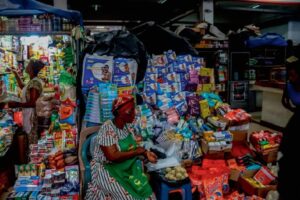
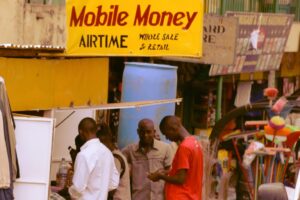
Ghana’s informal economy responds quickly to cost changes but lacks buffers. Informal workers and traders often pass on costs immediately to survive.
Because a large share of the population relies on informal markets, price increases in these spaces have a disproportionate impact on living costs.
The informal economy amplifies the visibility of rising costs.
13. Why Cost of Living Pressures Persist
The cost of living keeps rising because multiple forces reinforce one another. Inflation, income gaps, structural inefficiencies, and expectations interact in ways that make cost increases difficult to reverse quickly.
Temporary relief measures may slow price growth, but lasting improvement requires addressing underlying structural drivers.
At The High Street Business, we emphasise that understanding these forces is essential for informed public debate and sustainable economic planning.
FAQs
Why does the cost of living keep rising even when inflation slows?
Because accumulated price increases, income gaps, and structural costs remain.
Is the rising cost of living only an urban issue?
No. Urban areas feel it more, but rural households are also affected.
Which expenses drive living costs the most?
Food, housing, transportation, and energy.
Can wages solve the cost of living problem?
Only if wage growth keeps pace with productivity and prices.
Is the cost of living likely to fall?
Costs may stabilise, but significant declines are rare without structural changes.
Source: THSB
Disclaimer: Some content on The High Street Business may be aggregated, summarized, or edited from third-party sources for informational purposes. Images and media are used under fair use or royalty-free licenses. The High Street Business is a subsidiary of SamBoad Publishing under SamBoad Business Group Ltd, registered in Ghana since 2014.
For concerns or inquiries, please visit our Privacy Policy or Contact Page.