





Ghana’s economy in 2026 is at a pivotal moment. After years of adjustment and reform, new trends are emerging that could redefine growth, competitiveness, and opportunity for businesses of all sizes. For leaders, entrepreneurs, investors, and policymakers, staying informed about these developments isn’t optional—it’s central to strategy and survival.
Below, we explore the key economic developments shaping Ghana this year, why they matter, and what they signal for the broader business environment.
1. Macroeconomic Stability: Inflation Falling and More Predictable Conditions
One of the most significant developments in Ghana’s economy in 2026 is the continued easing of inflation. According to credible reporting, consumer inflation slowed for the 13th consecutive month in January, dropping to 3.8% year-on-year—the lowest since 2021. This trend followed aggressive monetary tightening and policy discipline from the Bank of Ghana.
📢 GET A DETAILED ARTICLES + JOBS
Join SamBoad's WhatsApp Channel and never miss a post or opportunity.
Importantly, the central bank’s gradual interest rate cuts reflect confidence in maintaining price stability, even as it supports economic growth. These developments suggest more predictable cost environments for businesses, lower borrowing costs, and greater confidence for long-term investment planning.
For entrepreneurs and investors, reduced inflation and easing credit conditions can translate into improved cash flow management, better wage negotiation, and more realistic long-term projections.
2. Fiscal Policy and the 2026 Budget: A Pivot Toward Production-Led Growth
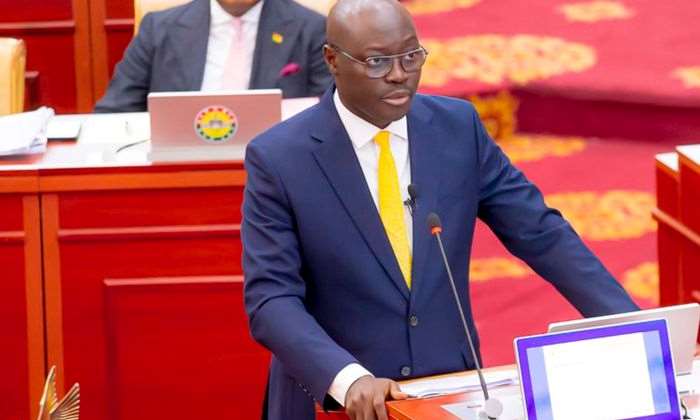
Ghana’s 2026 budget marks a strategic shift toward production, jobs, and stability. Officials have set ambitious targets like the creation of 800,000 jobs by investing heavily in infrastructure, youth skills development, and industrial expansion.
The “Big Push” Infrastructure Programme—backed by multi-billion-cedi funding—aims to link cities, enhance logistics, and reduce costs for producers and traders. Road construction, rural links to agricultural zones, and logistical corridors are expected to unlock productivity across sectors.
Policy direction in 2026 emphasises energy transition, debt restructuring, and strategic investments in power, transport, and manufacturing—an indication that fiscal policy is moving from crisis response to structural transformation.
3. Industrial Transformation & Sector Priorities
Industrialisation has become a key driver of Ghana’s economic agenda. The government’s strategy focuses on strengthening domestic manufacturing, adding value to natural resources, and expanding export-oriented industries—especially in agro-processing and textiles.
Policy measures include restricting raw exports of materials like scrap metal and rubber to encourage local processing and feed downstream industries. These moves support import substitution and strengthen manufacturing linkages.
Agribusiness remains vital—expanding mechanisation and processing facilities will ensure Ghana doesn’t just produce raw commodities, but value-added products that generate jobs and foreign exchange.
4. Banking Sector and Financial Risk Signals
While stability is rising, risks remain. Recent warnings from the Ghana Association of Banks highlight that regional insecurity in the Sahel could worsen loan defaults, stressing the banking sector.
This development underscores the importance of prudent risk management and healthy credit portfolios. For businesses dependent on bank financing, it signals the need to strengthen financial discipline, diversify funding sources, and maintain healthy balance sheets.
5. Natural Resource Policy and Mining Sector Dynamics
Ghana’s economic landscape continues to be influenced by policy debates in the mining sector. Recent proposals include new royalty regimes for gold, which could shift how mining revenue is captured and shared.
While some industry stakeholders advocate for lower levies to attract investment, the government is balancing revenue generation with sustainability. How these policies are implemented will have implications for foreign exchange earnings, investment flows, and revenue stability.
At the same time, efforts to tackle illegal mining and environmental degradation, while not strictly new in 2026, continue to shape economic narratives and business conditions.
6. Climate, Public Health, and Economic Productivity
Though not a traditional economic headline, investments in public health and environmental conditions—such as efforts to tackle **air pollution—are increasingly recognised as economic priorities.
Rising urban pollution has direct implications for labour productivity, healthcare costs, and long-term sustainability. When public health is compromised, workplaces face lower attendance, reduced output, and higher operating costs.
This intersection of environmental and economic policy reflects a broader shift toward holistic planning that considers quality of life as part of economic development.
7. Structural Policy Signals and Regional Context
Reports like the PwC West Africa Outlook suggest that macroeconomic stability, fiscal discipline, and policy flexibility are becoming differentiators for Ghana’s development path relative to regional peers.
As regional and global trends evolve—whether through commodity price shifts, trade agreements, or external shocks—Ghana’s ability to maintain coherence in policy is emerging as a key factor in attracting investment and managing risk.
This framing encourages businesses to view local developments within a broader regional and global context.
Understanding What This Means for Business
The economic developments shaping Ghana in 2026 have real implications for businesses large and small:
-
Predictable prices and lower inflation improve planning confidence.
-
Infrastructure spending reduces logistical bottlenecks and expands market reach.
-
Industrial policy shifts open opportunities in manufacturing and value addition.
-
Banking sector risks underline the importance of financial resilience.
-
Natural resource reforms affect revenue flows and investment attractiveness.
-
Health and environmental investment signal longer-term productivity concerns.
-
Regional comparisons highlight Ghana’s competitive positioning.
Taken together, these developments signal a transition from crisis management toward structural growth, diversification, and competitiveness.
FAQs
1. Why is inflation falling important for businesses?
Lower inflation stabilises costs, improves pricing predictability, and reduces pressure on wages and inputs.
2. How do infrastructure projects affect the economy?
They lower transaction costs, improve market access, and stimulate demand across sectors.
3. What sectors are prioritised in 2026 economic planning?
Agro-processing, manufacturing, infrastructure, and value-added exports are key priorities.
4. Why does regional security matter for Ghana’s economy?
Insecurity in neighbouring regions can affect bank loan performance and cross-border economic stability.
5. How do mining policy changes influence investment?
Royalty and levy reforms affect revenue expectations and investor confidence in the resource sector.
Source: THSB
Disclaimer: Some content on The High Street Business may be aggregated, summarized, or edited from third-party sources for informational purposes. Images and media are used under fair use or royalty-free licenses. The High Street Business is a subsidiary of SamBoad Publishing under SamBoad Business Group Ltd, registered in Ghana since 2014.
For concerns or inquiries, please visit our Privacy Policy or Contact Page.