



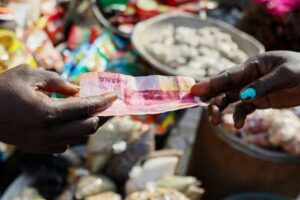


You walk into a supermarket in Osu or a neighbourhood shop in Tema Community 1, looking for a simple item—a tin of tomatoes, a bag of rice, or a bottle of cooking oil. You pick it up, glance at the price, and pause. It feels heavier than it should. Not the product itself, but the cost. You wonder silently: how did a basic kitchen staple become such a significant line item in the household budget?
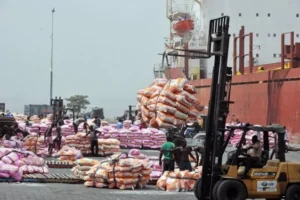
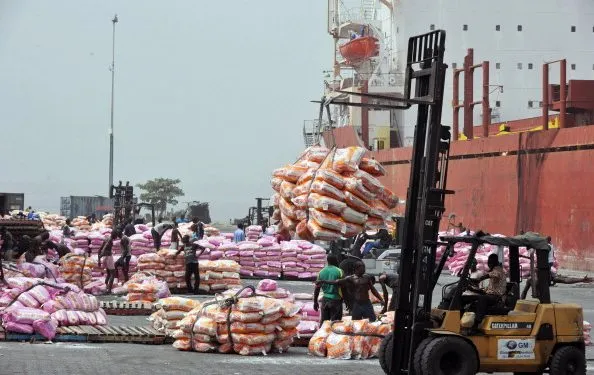
The answer lies not in the supermarket aisle, but in a journey that began weeks or even months earlier—at the Tema Port, at the Kotoka International Airport cargo terminal, or along the haulage routes from the border posts at Aflao or Elubo. The price you see on that shelf is the end result of a long chain of import costs, each link adding weight to the final figure.
Ghana is a nation of consumers. Despite efforts to boost local manufacturing, the reality is that a substantial portion of what fills our markets—from electronics to clothing, from food staples to pharmaceuticals—is imported. The cost of bringing those goods into the country determines not only the retail price but also the affordability of daily life for millions of Ghanaians.
📢 GET A DETAILED ARTICLES + JOBS
Join SamBoad's WhatsApp Channel and never miss a post or opportunity.
For business owners on the High Street, understanding import costs is essential. It is the difference between pricing competitively and pricing yourself out of the market. It is knowing when to stock up and when to hold back. And for consumers, understanding this journey offers clarity on why prices rise, sometimes seemingly overnight, without warning.
The Journey of an Imported Good: From Ship to Shelf
To understand the price of a consumer good in Ghana, you must follow its journey. Let us trace the path of a common item: a carton of frozen chicken, one of the most widely consumed imported protein sources in the country.
Step 1: The Purchase Order
A Ghanaian importer identifies a supplier in Brazil or the United States. They negotiate a price for a container—typically 27 metric tons of frozen chicken. The supplier quotes the price in US Dollars. At this stage, the importer must consider the exchange rate. If the Cedi is weak against the Dollar, the cost in Cedis is already high before the goods have even left the port of origin.
Step 2: Freight and Insurance
The goods must travel across the Atlantic Ocean. The importer pays for shipping freight, which is also priced in Dollars. Shipping costs fluctuate based on global demand, fuel prices, and geopolitical factors. Additionally, insurance is required to cover the goods against loss or damage during transit. These costs add thousands of cedis to the total landed cost.
Step 3: Arrival and Clearance at the Port
Once the container arrives at the Tema Port or Takoradi Port, the real costs begin to accumulate. The importer must engage a clearing agent to navigate the complex process of customs clearance. Key costs at this stage include:
-
Import Duties: Calculated as a percentage of the value of the goods. Different goods attract different duty rates.
-
Value Added Tax (VAT): A standard tax applied to imported goods.
-
NHIL, GETFund, and other levies: Various statutory charges that add to the total.
-
Port Handling Fees: Charges for unloading, storage, and handling by port authorities.
-
Demurrage: If the container is not cleared within a specified number of days, the shipping line charges demurrage fees—daily penalties that can escalate quickly.
For many importers, the port clearance process is the most unpredictable part of the journey. Delays caused by documentation issues, system downtimes at Ghana Link or GCNet, or simply congestion at the port can result in significant demurrage charges, adding unexpected costs that must eventually be passed on to the consumer.
Step 4: Haulage and Distribution
After clearance, the goods must be transported from the port to warehouses and distribution centers. This involves haulage trucks, which run on diesel. As we have explored in previous analyses, fuel prices directly affect transportation costs. From Tema to a cold store in Accra or to a wholesale market in Kumasi, the logistics cost adds another layer.
Step 5: Wholesale and Retail Markups
Finally, the goods reach the wholesaler, who sells to retailers, who then sell to the final consumer. Each stage adds a margin to cover operating costs, rent, salaries, and profit. By the time the frozen chicken reaches the market woman at Madina or the supermarket shelf, the original purchase price has multiplied significantly.
Ghana-Based Practical Examples: Sectors Feeling the Pressure
The impact of import costs is felt differently across sectors. Here are specific examples from the Ghanaian market.
The Rice Economy: A Staple Under Pressure
Rice is a staple food in Ghana, consumed in almost every household. While Ghana produces local rice, the country still imports significant quantities, particularly from Vietnam, Thailand, and the United States, to meet demand.
When import costs rise—whether due to a weaker Cedi, higher shipping freight, or increased duties—the price of imported rice climbs. Local rice producers often take this opportunity to raise their prices as well, citing that their production costs (machinery, fertilizer, packaging) are also import-dependent. The result is that the consumer pays more for a bowl of waakye or jollof rice regardless of whether they choose local or imported varieties.
For restaurant owners and chop bar operators, this creates a constant pressure to adjust menu prices. A popular spot serving rice-based dishes may find its margins shrinking with every shipment, forcing tough decisions about portion sizes or pricing.
The Second-Hand Clothing Market: Kantamanto’s Struggle
Kantamanto Market in Accra is one of the largest second-hand clothing markets in West Africa. The goods sold here—affectionately called “obroni wawu”—are imported in bales from Europe, North America, and Asia.
The importers who bring these bales face the full spectrum of import costs: shipping, duties, port clearance, and transportation. When any of these costs increase, the price per bale rises. The wholesalers who sort and redistribute the bales then charge more. The retailers—the men and women selling individual shirts, trousers, and dresses in the market—must raise their prices to maintain their margins.
For the average Ghanaian who relies on Kantamanto for affordable clothing, this means that even second-hand goods become less accessible. This trend has fueled a growing interest in locally made textiles and garments, as consumers weigh the cost of imported second-hand against the value of locally produced new clothing.
The Electronics and Smartphone Market
Electronics are another category heavily impacted by import costs. Smartphones, televisions, laptops, and household appliances are almost entirely imported. When import costs rise, the price of these items increases significantly.
For a young professional in Accra saving up for a new laptop, or a family purchasing a refrigerator, the timing of their purchase relative to currency and import cost fluctuations can mean a difference of several hundred cedis. Electronics retailers often operate on thin margins and cannot absorb cost increases. As a result, consumers face volatile pricing, with discounts available during periods of relative stability and sharp increases following currency depreciation or port cost hikes.
Key Insights and Trends for the Ghanaian Business Owner
For businesses operating on the High Street, import costs are not a fixed variable. They are dynamic, challenging, and require strategic thinking.
1. The Container as a Unit of Strategy
Savvy importers and retailers have learned to think in terms of containers. The decision to bring in one container versus five is a strategic calculation based on current exchange rates, expected demand, and available storage. Businesses that can afford to bring in larger volumes benefit from economies of scale in shipping and clearance, reducing the per-unit cost. Those with limited capital may face higher costs per item, putting them at a competitive disadvantage.
2. The Shift to Group Purchasing
Smaller retailers are increasingly forming cooperatives or informal buying groups to aggregate their purchasing power. By pooling resources, they can import full containers together, sharing the shipping and clearance costs. This allows them to access better per-unit pricing and compete more effectively with larger distributors.
3. The Role of the Clearing Agent
A reliable clearing agent is one of the most valuable assets an importer can have. Agents who understand the intricacies of customs processes, maintain relationships with port authorities, and can navigate the digital platforms of the Ghana Revenue Authority (GRA) can significantly reduce clearance times and avoid demurrage charges. For new businesses entering the import space, partnering with an experienced agent is a critical success factor.
4. Exploring the African Continental Free Trade Area (AfCFTA)
With Ghana hosting the secretariat of the African Continental Free Trade Area, there is growing interest in intra-African trade as an alternative to traditional import sources. Sourcing goods from other African countries may offer reduced shipping times and, in some cases, preferential duty rates under AfCFTA agreements. While the framework is still evolving, forward-thinking businesses are exploring suppliers in Nigeria, South Africa, and Kenya to diversify their import sources.
Strategic Adjustments: Managing Import Costs
For business owners, import costs are often the single largest expense. Managing them effectively requires a combination of financial discipline, market awareness, and operational efficiency.
-
Monitor Forex Trends Closely: Exchange rate movements directly impact import costs. Maintain a foreign currency account to purchase dollars when rates are favourable. Consider using forward contracts to lock in rates for future shipments.
-
Optimize Container Loading: Work with suppliers to maximize container utilization. A well-packed container reduces wasted space and improves the cost efficiency of shipping.
-
Budget for Port Costs: Factor demurrage, handling, and clearing fees into your pricing model. Build relationships with clearing agents who offer transparent pricing and reliable service.
-
Maintain Buffer Inventory: In a volatile import environment, holding sufficient buffer inventory can protect against sudden cost spikes. However, balance this against storage costs and the risk of spoilage or obsolescence.
Conclusion: What It Means Going Forward
The import cost structure in Ghana is unlikely to become simpler or cheaper in the near term. Global shipping volatility, domestic port infrastructure challenges, and currency pressures suggest that the cost of bringing goods into the country will remain a defining challenge for businesses and consumers alike.
However, within this challenge lies opportunity. The businesses that succeed will be those that treat import cost management as a core competency—not an afterthought. They will be the ones who build strong relationships with suppliers and clearing agents, who leverage collective purchasing power, and who explore local alternatives where viable.
For consumers, understanding the journey from ship to shelf offers a clearer lens through which to view price changes. That tin of tomatoes or bag of rice is not just a product; it is the culmination of a complex chain of costs, risks, and decisions. By understanding that chain, we can all make more informed choices—as buyers, as sellers, and as participants in Ghana’s dynamic economy.
FAQs
1. What are the main costs involved in importing goods into Ghana?
The main costs include the purchase price of the goods (in foreign currency), shipping freight, insurance, import duties, VAT, NHIL, GETFund levy, port handling fees, clearing agent fees, and inland transportation costs. Each of these components adds to the final landed cost.
2. How long does it typically take to clear goods from the Tema Port?
Clearance time varies depending on the type of goods, documentation accuracy, and port congestion. Under normal circumstances, clearance can take between 5 and 14 days. Delays can result in demurrage charges, which increase the overall cost.
3. Are there goods that are exempt from import duties in Ghana?
Yes, certain goods are exempt or attract reduced duties. These include some agricultural equipment, machinery for manufacturing, and goods imported under specific free zone or investment incentives. Businesses should consult the Ghana Revenue Authority or a licensed clearing agent for details on duty rates for specific products.
4. How does the Ghanaian government use import duties to influence local industry?
The government uses import duties as a tool to protect local industries. Higher duties on finished imported goods encourage local manufacturing, while lower duties on raw materials and machinery support local producers. The duty structure is periodically reviewed in the national budget.
5. What is the difference between CIF and FOB in import pricing?
CIF (Cost, Insurance, Freight) refers to a pricing structure where the seller covers the cost of the goods, insurance, and freight to the port of destination. FOB (Free on Board) means the seller covers costs only up to the port of origin, and the buyer is responsible for freight, insurance, and all costs thereafter. Understanding these terms is essential for accurately calculating total import costs.
Source: The High Street Business
Disclaimer: Some content on The High Street Business may be aggregated, summarized, or edited from third-party sources for informational purposes. Images and media are used under fair use or royalty-free licenses. The High Street Business is a subsidiary of SamBoad Publishing under SamBoad Business Group Ltd, registered in Ghana since 2014.
For concerns or inquiries, please visit our Privacy Policy or Contact Page.