







Leadership at the highest level comes with immense responsibility. Chief executive officers are expected to make critical decisions, guide organizational strategy, manage stakeholders, and navigate uncertainty — often under constant scrutiny.
The pressure can be intense. Market volatility, regulatory changes, financial targets, and workforce management all place demands on executives. Yet many successful CEOs maintain clarity, focus, and resilience despite these challenges.
Stress management is therefore not simply a personal wellness issue for CEOs — it is a leadership skill that influences decision-making, organizational culture, and long-term business performance.
📢 GET A DETAILED ARTICLES + JOBS
Join SamBoad's WhatsApp Channel and never miss a post or opportunity.
At The High Street Business, we explore the strategies and habits top CEOs use to manage stress while leading complex organizations.
Understanding the Pressure of Executive Leadership
CEOs face a unique combination of responsibilities that can generate significant stress.
These responsibilities often include:
Making high-stakes financial decisions
Managing investor expectations
Responding to competitive pressures
Navigating economic and regulatory changes
Leading large teams and corporate structures
Because these decisions can affect thousands of employees and significant financial resources, CEOs must remain calm and focused even in uncertain circumstances.
Developing Mental Resilience
Mental resilience is one of the most important qualities for successful CEOs. Resilience allows leaders to remain steady under pressure and maintain confidence during difficult periods.
Resilient leaders typically:
Maintain long-term perspectives during crises
Focus on solutions rather than problems
Learn from setbacks rather than becoming discouraged
By cultivating resilience, CEOs can navigate uncertainty without allowing stress to overwhelm their decision-making.
Prioritizing Strategic Thinking
Top CEOs often reduce stress by focusing their time on strategic thinking rather than operational details.
This involves concentrating on areas such as:
Long-term company vision
Innovation and growth strategies
Partnerships and investments
Delegating operational responsibilities allows executives to avoid becoming overwhelmed by daily tasks and maintain clarity about broader business goals.
Delegating Responsibility to Strong Teams
Effective CEOs rarely attempt to manage every detail within their organizations. Instead, they build strong leadership teams and delegate responsibilities.
Delegation provides several benefits:
Reduces personal workload
Encourages leadership development within the organization
Improves decision-making speed
Creates organizational resilience
Trusting capable executives to manage operational areas allows CEOs to maintain focus while avoiding burnout.
Maintaining Physical Wellness
Physical health plays a crucial role in managing leadership stress.
Many CEOs maintain routines that support their well-being, such as:
Regular exercise
Balanced nutrition
Adequate sleep
Stress-relief activities like meditation or relaxation techniques
Physical wellness supports mental clarity and energy levels, helping leaders remain productive even during demanding periods.
Structured Time Management
Effective time management is essential for reducing stress.
CEOs often structure their schedules carefully by:
Prioritizing important meetings
Blocking time for focused work
Scheduling reflection or planning sessions
A well-structured schedule allows leaders to manage responsibilities efficiently while maintaining control over their time.
Maintaining Personal Support Systems
Despite their public responsibilities, successful CEOs often rely on personal support systems that help them manage stress.
These support systems may include:
Family members
Trusted advisors
Mentors
Professional coaches
These relationships provide perspective, guidance, and emotional support during challenging periods.
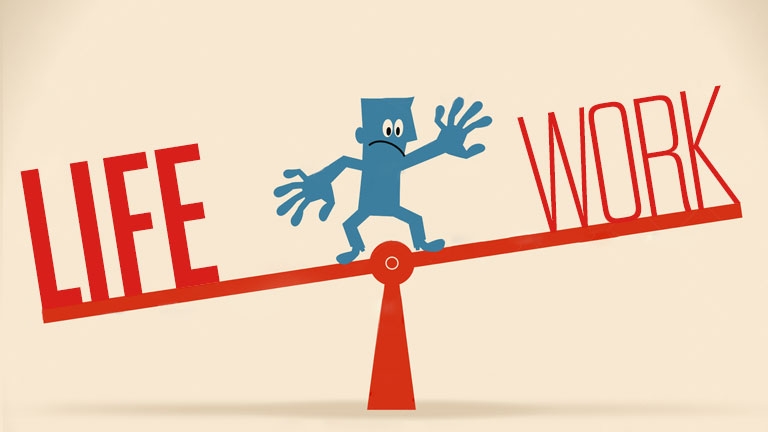
Learning to Disconnect from Work
Constant connectivity can increase stress levels for executives. Many CEOs therefore adopt habits that allow them to disconnect periodically from work responsibilities.
This may involve:
Taking short breaks during the day
Scheduling time away from digital communication
Engaging in hobbies or personal interests
Temporary disconnection allows leaders to recharge and return to work with renewed focus.
Viewing Challenges as Opportunities
Another key mindset among successful CEOs is the ability to view challenges as opportunities for growth.
Instead of seeing obstacles purely as stress sources, they interpret them as chances to:
Improve systems and processes
Strengthen organizational resilience
Develop leadership capabilities
Discover innovative solutions
This perspective helps transform pressure into motivation.
The Organizational Impact of CEO Stress Management
When CEOs manage stress effectively, the benefits extend beyond personal well-being.
Calm, focused leadership often leads to:
Better strategic decisions
More stable corporate culture
Higher employee confidence
Stronger organizational performance
Employees often take cues from leadership behavior, meaning that a composed CEO can influence the entire organization’s approach to challenges.
Conclusion From THSB
Leading an organization at the highest level inevitably brings pressure and responsibility. However, successful CEOs demonstrate that stress can be managed through discipline, resilience, and structured leadership practices.
By focusing on strategic thinking, delegating responsibilities, maintaining wellness routines, and building strong support systems, CEOs can sustain high performance even in demanding environments.
Ultimately, effective stress management enables leaders to remain clear-headed, make better decisions, and guide their organizations toward long-term success.
FAQs
Why do CEOs experience high levels of stress?
CEOs are responsible for major decisions affecting finances, employees, and organizational direction, often under intense public and stakeholder scrutiny.
How do successful CEOs manage stress?
They build strong teams, focus on strategy, maintain wellness routines, and cultivate mental resilience.
Does stress affect leadership performance?
Yes. High stress can impair decision-making and communication if not managed effectively.
Do CEOs use personal support systems?
Many rely on mentors, advisors, family members, or professional coaches for guidance and support.
Can stress management improve business performance?
Yes. Leaders who manage stress effectively tend to make better decisions and maintain stronger organizational stability.
Source: The High Street Business
Disclaimer: Some content on The High Street Business may be aggregated, summarized, or edited from third-party sources for informational purposes. Images and media are used under fair use or royalty-free licenses. The High Street Business is a subsidiary of SamBoad Publishing under SamBoad Business Group Ltd, registered in Ghana since 2014.
For concerns or inquiries, please visit our Privacy Policy or Contact Page.