






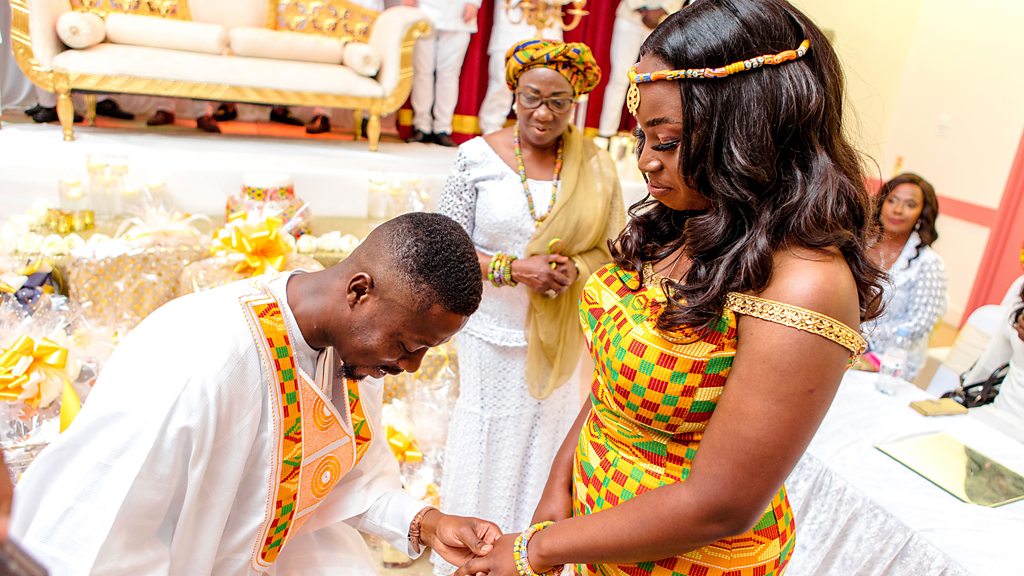
On most Saturdays in Ghana, if you don’t hear church bells, you’ll likely hear a brass band or car horns announcing another wedding convoy. In nearly every town and city, weekends unfold in a familiar rhythm — laughter beneath canopies, music drifting across rooftops, and camera flashes capturing the latest elaborate ceremony.
What was once a modest, family-centered rite has evolved into a high-stakes production. Ghanaian weddings today are no longer just about two people joining their lives — they are grand displays of taste, wealth, and social standing.
Across urban centers like Accra, Kumasi, and Takoradi, the average wedding now costs upwards of GHS 200,000, often blending traditional rites with Western-style “white weddings.” From floral décor and catering to photography, videography, fashion, and entertainment, expenses accumulate fast. For many couples, a budget of GHS 250,000 is now considered “standard,” not luxurious.
📢 GET A DETAILED ARTICLES + JOBS
Join SamBoad's WhatsApp Channel and never miss a post or opportunity.
What was once optional has become non-negotiable. Pre-wedding photo shoots, drone coverage, gown changes, professional lighting, and live band performances are the new baseline. Weddings are increasingly shaped by social media trends, not personal preference — a race for visual perfection played out across Instagram feeds and YouTube channels.
Even traditional engagements — once intimate and cultural — now carry the same spectacle. Lavish fabrics, professional event planners, and rented halls have redefined what used to be a family gathering. Tradition remains, but it now comes with a price tag and a spotlight.
For many young professionals, the financial burden is immense. Some rely on family contributions; others take loans or defer their weddings to save up. The emotional toll, from planning stress to post-event debt, is often overlooked.
“People are no longer planning marriages,” said one event planner in Accra. “They’re producing shows.”
The normalization of six-figure weddings has created a quiet backlash. A growing minority of couples are intentionally scaling back — hosting small garden ceremonies, intimate home events, or court weddings that refocus on the meaning of marriage rather than its optics.
Still, those remain exceptions. The broader culture continues to prize spectacle. Weddings, like many other social expressions in modern Ghana, have become reflections of aspiration and identity.
Every weekend, as another convoy weaves through traffic and another DJ announces a couple’s grand entrance, the cost of “I do” in Ghana isn’t just measured in cedis — it’s measured in expectations.
Source: The High Street Business
Disclaimer: Some content on The High Street Business may be aggregated, summarized, or edited from third-party sources for informational purposes. Images and media are used under fair use or royalty-free licenses. The High Street Business is a subsidiary of SamBoad Publishing under SamBoad Business Group Ltd, registered in Ghana since 2014.
For concerns or inquiries, please visit our Privacy Policy or Contact Page.