


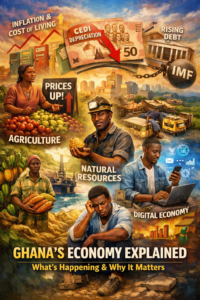
Ghana’s Economy Explained – Discover what’s driving Ghana’s economy today, from inflation and debt to growth opportunities, and why it matters for businesses, students, and everyday citizens.
Ghana’s Economy Explained: What’s Happening and Why It Matters in 2026
Ghana’s economy has been a major topic of discussion in recent years, especially as the country navigates financial challenges and recovery efforts. From rising prices to currency fluctuations, many Ghanaians are asking: what exactly is happening, and why does it matter?
This article breaks down Ghana’s current economic situation in simple terms, helping you understand the key issues, their causes, and what they mean for individuals and businesses.
📢 GET A DETAILED ARTICLES + JOBS
Join SamBoad's WhatsApp Channel and never miss a post or opportunity.
MUST READ: How Import Costs Affect Consumer Goods In Ghana.
What is an Economy and Why It Matters
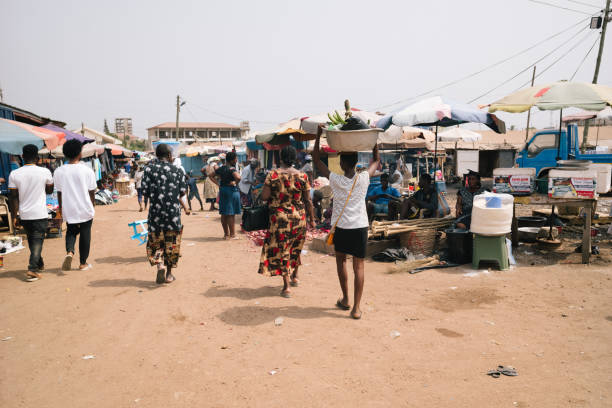
An economy refers to how a country produces, distributes, and consumes goods and services. In Ghana, this includes everything from cocoa farming and gold mining to banking, trade, and digital services.
A strong economy mean:
- Stable prices
- More jobs
- Better living standards
A week economy, on the other hand, leads to:
- High cost of living
- Unemployment
- Reduced business growth
Understanding Ghana’s economy helps citizens make better financial decisions and prepares businesses for changing conditions.
Key Issues Affecting Ghana’s Economy
-
Inflation and Rising Cost of Living
One of the biggest challenges Ghana faces today is inflation. Inflation simply means the general increase in prices over time. In recent years, prices of food, fuel, and transportation have risen significantly. This affects households directly because: Salaries may not increase at the same rate, Basic goods become less affordable and Savings lose value. For businesses, inflation increases production costs, which are often passed on to consumers.
2. Currency Depreciation (Cedi Weakness)
The Ghanaian cedi has experienced depreciation against major currencies like the US dollar. This means it takes more cedis to buy imported goods.
Why does this matter?
- Imported items become more expensive
- Businesses that rely on imports face higher costs.
- Travel and international education become costlier.
However, a weaker currency can also benefit exporters by making Ghanaian goods cheaper abroad.
3. Government Debt and IMF Support
Ghana has faced high levels of public debt in recent years. To stabilize the economy, the government turned to the International Monetary Fund (IMF) for support. The IMF programme aims to: restore economic stability, reduce government spending and improve revenue collection. While this support helps stabilise the economy, it often comes with tough measures such as reduced subsidies and increased taxes, which can affect citizens in the short term.
4. Unemployment and Youth Challenges
Despite economic growth in certain sectors, unemployment-especially among young people-remains a major concern. Many graduates struggle to find jobs due to limited industrial expansion, skills mismatch and slow private sector growth. This situation highlights the need for more investment in entrepreneurship, vocational training, and innovation.
CHECK OUT: Why Demand Patterns Are Shifting In Ghana’s Economy.
Sectors Driving Ghana’s Economy
-
Agriculture
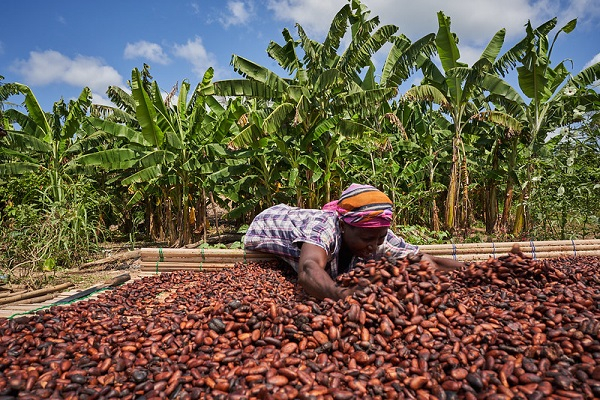
Agriculture remains a backbone of Ghana’s economy, employing a large portion of the population. Cocoa production, in particular, is a major source of export revenue.
-
Natural Resources
Ghana is rich in gold, oil, and other natural resources. The mining and oil sectors contribute significantly to government revenue and foreign exchange.
-
Services and Digital Economy
The rise of mobile money, fintech, and digital services is transforming the economy. Companies like MTN Ghana are playing a key role in financial inclusion.
Signs of Economic Recovery
Despite challenges, there are positive signs:
- Gradual decline in inflation rates
- Increased investor confidence
- Government reforms under the IMF programme.
If sustained, these improvements could lead to:
- More stable prices
- Job creation
- Stronger economic growth
Why Ghana’s Economy Matters To You
For Individuals
- Your purchasing power depends on inflation
- Job opportunities are tied to economic growth
- Your savings and investments are affected by currency stability.
For Businesses
- Economic conditions influence costs and profits
- Exchange rates affect imports and exports
- Policies impact taxes and regulations
For Students and Young People
Understanding the economy helps you:
- Choose relevant career paths
- Develop entrepreneurial skills
- Make informed financial decisions
What Can Be Done Moving Forward
To strengthen Ghana’s economy, several steps are essential:
- Promoting local production to reduce imports
- Supporting small and medium-sized enterprises (SMEs)
- Investing in education and skills development
- Encouraging transparency and good governance
These actions can help build a more resilient and inclusive economy.
Conclusion
Ghana’s economy is currently going through a challenging but transformative phase. Issues like inflation, currency depreciation, and debt have created difficulties, but ongoing reforms and key sectors continue to provide hope for recovery.
Understanding what’s happening in the economy is not just for economists—it affects everyone. Whether you’re a student, worker, or business owner, staying informed helps you adapt, plan, and thrive in changing times.
As Ghana continues its journey toward economic stability, informed citizens and innovative businesses will play a crucial role in shaping a brighter future.
Disclaimer: Some content on The High Street Business may be aggregated, summarized, or edited from third-party sources for informational purposes. Images and media are used under fair use or royalty-free licenses. The High Street Business is a subsidiary of SamBoad Publishing under SamBoad Business Group Ltd, registered in Ghana since 2014.
For concerns or inquiries, please visit our Privacy Policy or Contact Page.

Esther Aku-Sika is a content writer and social media strategist who helps brands and startups grow through intentional storytelling and practical marketing strategies. With a keen eye for trends and audience behavior, she shares business insights, content strategies, and real-life lessons to help entrepreneurs build visibility and turn ideas into income. Through her writing, she simplifies complex concepts and equips readers with actionable steps to grow in today’s digital space.